

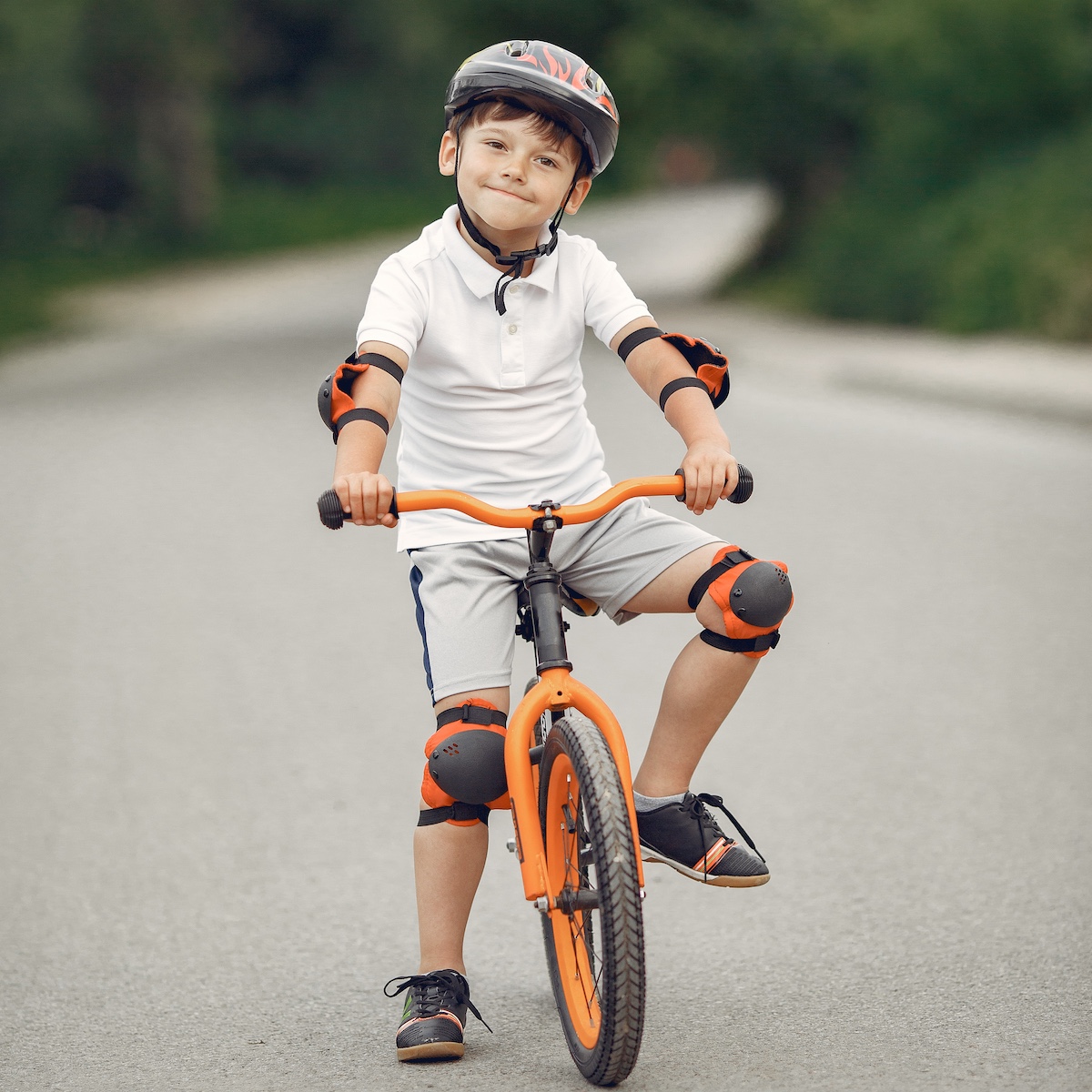
Picking your child's first ride-on can feel like a big decision, but it usually comes down to two questions: what fits your child right now, and where can they ride safely?
For many Australian families, the choice is between a balance bike, a small pedal-free bike that a child moves with their feet, and a non-motorised kick scooter.
Both can build confidence and coordination. The key is to match the ride-on to your child's size, current skills and riding environment.
Bicycle helmets in Australia must meet an approved standard, and helmet rules for scooters can vary by state. We cover Victoria and New South Wales examples below.
Jump to:
Quick Decision Snapshot: Which One Now?
If you are stuck between the two, this short list can help you decide.
- Balance bike: A good fit once your child is walking confidently and you want a smoother path toward a pedal bike later. A 2024 peer-reviewed study comparing balance bikes and training wheels suggested balance-first learning may help some children move to pedalling sooner, though results vary.
- Three-wheel scooter: Extra stability for roughly ages 2 to 5, or for any new rider still building balance.
- Two-wheel scooter: Better once balance and coordination are more settled.
- Portability first: If the school run and easy carrying matter most, a scooter often wins. If you want a learn-to-ride tool, a balance bike is a natural starting point.
Safety Check Before You Buy
Getting the safety basics right matters more than any single feature. No ride-on is injury-proof, so supervision, safe places to ride and a well-fitted helmet do most of the work.
- Helmet standard: Australia's mandatory helmet standard covers helmets for bicycles and some other wheeled recreational devices, including kick scooters. It allows compliance with listed standards such as AS/NZS 2063:2020 or the 2008 version. Helmets sold here must also include fitting and positioning instructions, durable warnings and required markings.
- State rules differ: Helmets are compulsory for riding bikes across Australia. For scooters, rules vary. In Victoria, scooter riders are required by law to wear an approved bicycle helmet, and wrist, elbow and knee guards are recommended.
- Where kids can ride: In New South Wales, guidance notes that children under 16 can ride on footpaths, with an emphasis on correct helmet fit and adult checks. Check your own state or territory rules, as they are not identical everywhere.
- Inspect before use: Test brakes, check bar grips and confirm any folding mechanism locks securely.
Kidsafe NSW advises that children on bikes or wheeled toys should wear a correctly fitted helmet that meets the Australian Standard. A helmet that sits level, low on the forehead and does not wobble is doing its job.
Balance Bike Sizing And Setup
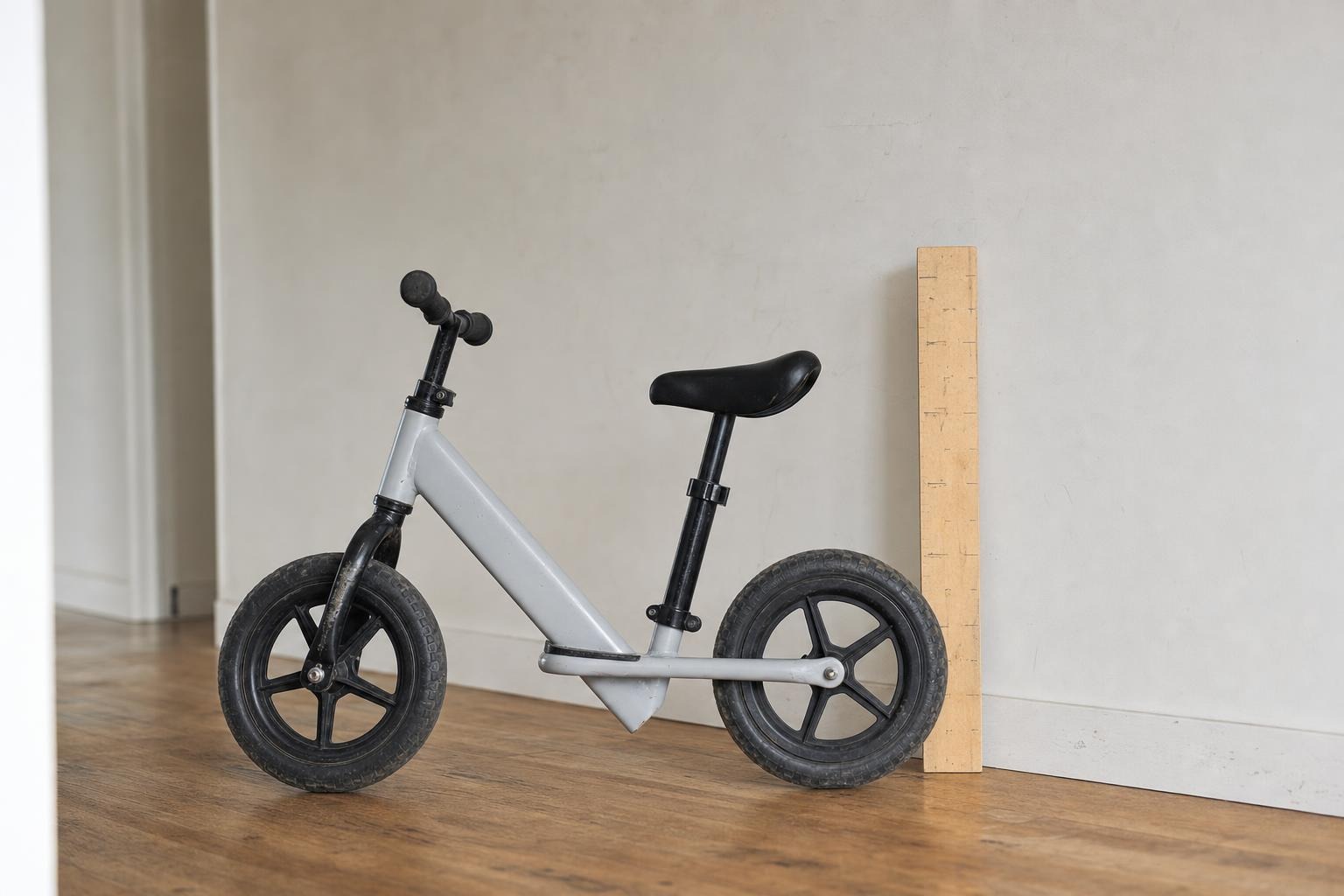
With balance bikes, fit beats age every time. The most useful measure is your child's inseam, which is the inside leg from crotch to floor. As a general guide, set the saddle a few centimetres below the inseam so your child can plant both feet flat and push off comfortably. For a local browsing option, use shop balance bikes Australia to compare saddle height ranges and frame weights.
A few things to check when you compare models:
- Weight and adjustability: Look for a light frame and an adjustable seatpost so the bike can grow with your child.
- Standover and reach: Your child should stand over the frame easily and reach the bars without stretching.
- Wheels and tyres: Foam tyres are light and never go flat, while pneumatic, or air-filled, tyres give a softer ride on rough paths. Both can work well; it comes down to weight versus cushioning.
- Brakes: Some models add a rear hand brake for older preschoolers. It is useful practice, though not essential for beginners, since young riders often brake with their feet.
Many families start here because balance-first riding can shorten the jump to pedals for some children, as the 2024 study suggests, though it is not guaranteed.
Scooters: Three-Wheel Vs Two-Wheel And Fit
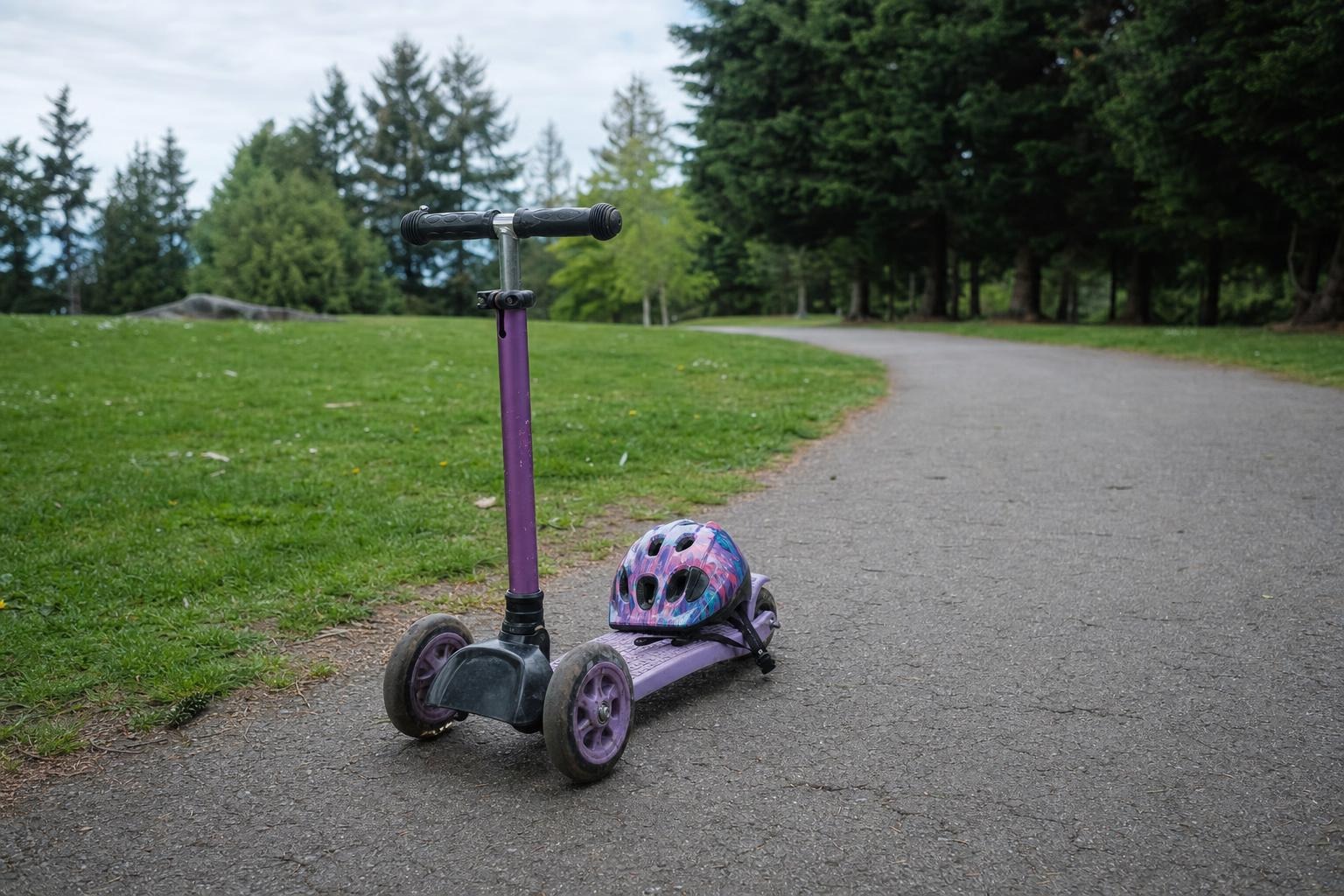
Scooters split into two broad types. Three-wheel, lean-to-steer models offer stability and confidence for younger or newer riders.
Two-wheel scooters are more agile and suit children whose balance is already solid.
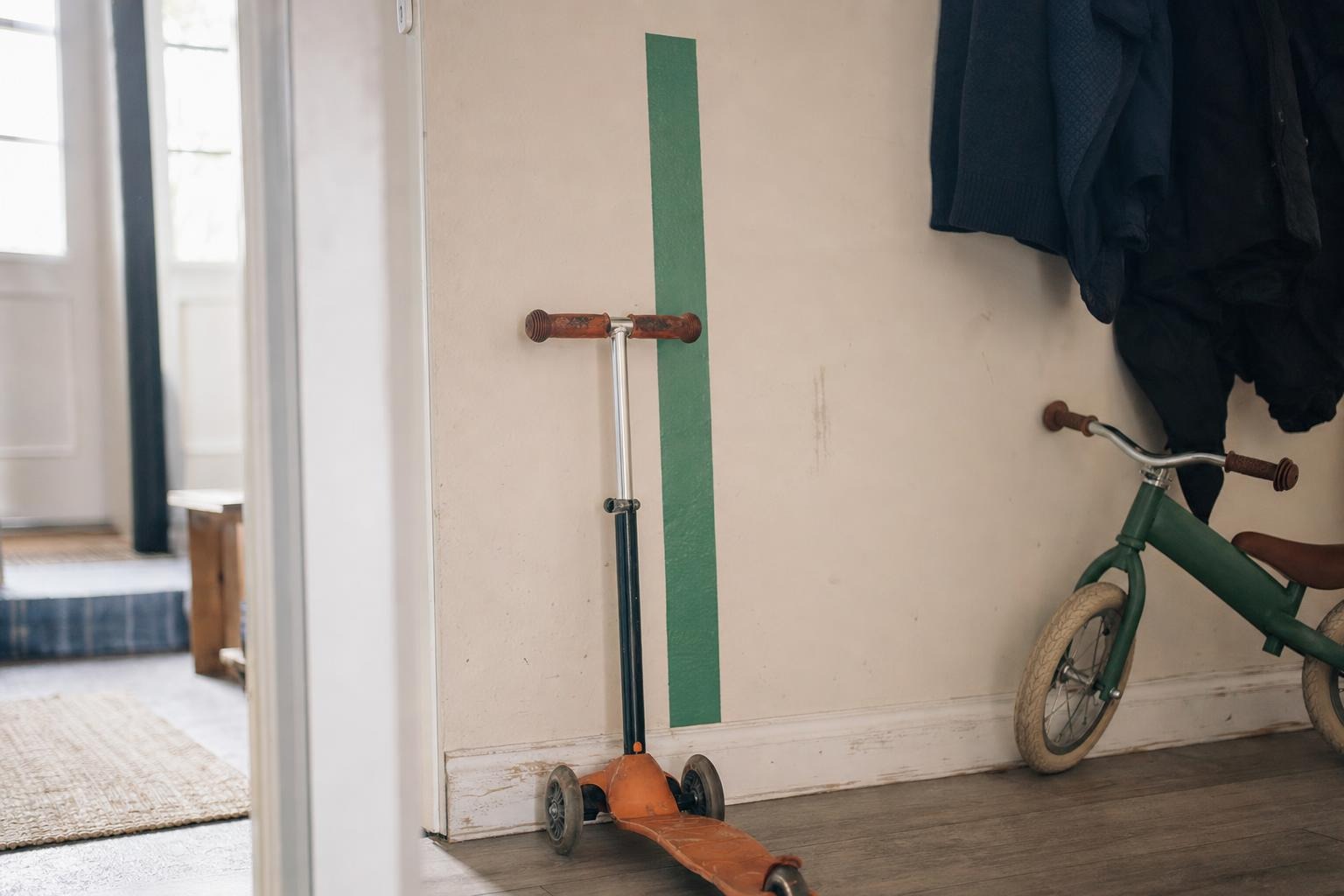
Handlebar height is the key fit detail. A practical guide is to aim for bars around waist height, with a relaxed back and elbows bent slightly. Adjustable bars are worth prioritising so the scooter lasts as your child grows.
Wheel size changes the ride feel:
- Around 95 mm: Nimble and light, but less forgiving on bumps. This size suits smoother paths and riders who do not need much cushioning.
- Around 120 mm: A smoother roll for everyday use. This can be a good middle ground for children moving beyond their first scooter.
- Around 200 mm pneumatic: More stable over rough paths. These larger air-filled tyres are usually found on bigger scooters for older children.
Also check deck height and clearance, a grippy foot deck and a working rear fender brake, which is the standard braking method on many kick scooters.
Where It Is Safe To Ride
Wherever your child rides, start somewhere calm. Parks, quiet paths and open spaces away from traffic let new riders build confidence without pressure.
In New South Wales, footpath riding is permitted for children under 16, and adults are encouraged to supervise and check helmet fit.
A simple habit worth teaching early is to walk bikes and scooters across pedestrian crossings rather than riding across.
Because scooter and footpath rules are not uniform across the country, check the guidance for your own state or territory before heading out. Helmet requirements for scooters, in particular, differ from place to place.
Transitioning From Balance Bike To Pedals
Balance bikes can help when it comes time to move to a pedal bike because the hardest skill, balancing, is already familiar. Watch for a few signs of readiness:
- Gliding for longer distances with both feet up.
- Steering confidently around corners and obstacles.
- Slowing and stopping reliably, either with their feet or a rear hand brake if fitted.
When you buy that first pedal bike, keep it light, small and easy to brake. If your child hesitates, you can briefly remove the pedals to let them rediscover balance, then refit them once they feel steady.
Budget, Longevity And Second-Hand Tips
A ride-on that grows with your child usually offers better value over time. Adjustable bars and seatposts extend the useful life, and brands that stock spare parts make repairs simpler.
If you are considering second-hand, inspect it carefully. Look for cracks in the frame or deck, loose hinges on folding scooters, and worn wheels or bearings.
One firm rule: avoid buying second-hand helmets, since a helmet's protective ability can be reduced by past impacts you cannot see.
If you want a place to compare options, you can find the best kids scooters online and check wheel type, handlebar adjustability, and rider weight limits rather than relying only on age labels.
- Parents Are Prioritising Breathable, Sustainable Fabrics For Children's Seasonal Sleepwear
- Our Homemade Christmas Printables, Made With AI: What Worked, What Didn't, and What I'm Saving for Next Year
- At-Home vs. In-Lounge IV Therapy in the Hudson Valley: Which Makes More Sense?
- Can Passengers Pursue Compensation After a Car Accident?




A Simple Age And Skill Guide
Every child develops at their own pace, so treat these as starting points rather than strict rules.
- Toddler to early preschool, around 18 months to 3: A balance bike with a low saddle, or a stable three-wheel scooter.
- Preschool, 3 to 5: A balance bike with a raised saddle, or a first two-wheel scooter if balance is ready.
- Early primary, 5 to 8: A first pedal bike, or a two-wheel scooter sized so the bars reach about waist height.





Leave a Reply