

If your dog turns up their nose at dinner, grazes all day, or empties the bowl in seconds, mealtime can feel like a daily guessing game.
The good news is that you do not need to change everything at once.
A few steady habits, plus a closer look at the label, can make feeding calmer and more consistent.
This guide uses three simple anchors: check the nutritional adequacy statement to confirm the food is complete, keep treats and toppers at or under 10% of daily calories, and use a short routine so your dog knows what to expect.
None of this is about hype. It is about repeatable choices that fit a busy household.
Jump to:
- Start With the Base: Spotting a Premium Complete and Balanced Food
- Make Mealtimes Calmer and More Consistent
- Meal Toppers 101: What They Are and When to Use Them
- How to Use Toppers Without Unbalancing Meals
- Storage and Prep That Keep Food Safe and Tasty
- Choosing a Premium Option That Fits Your Household
- A 7-Day Mealtime Reset
- Bringing It All Together
Start With the Base: Spotting a Premium Complete and Balanced Food
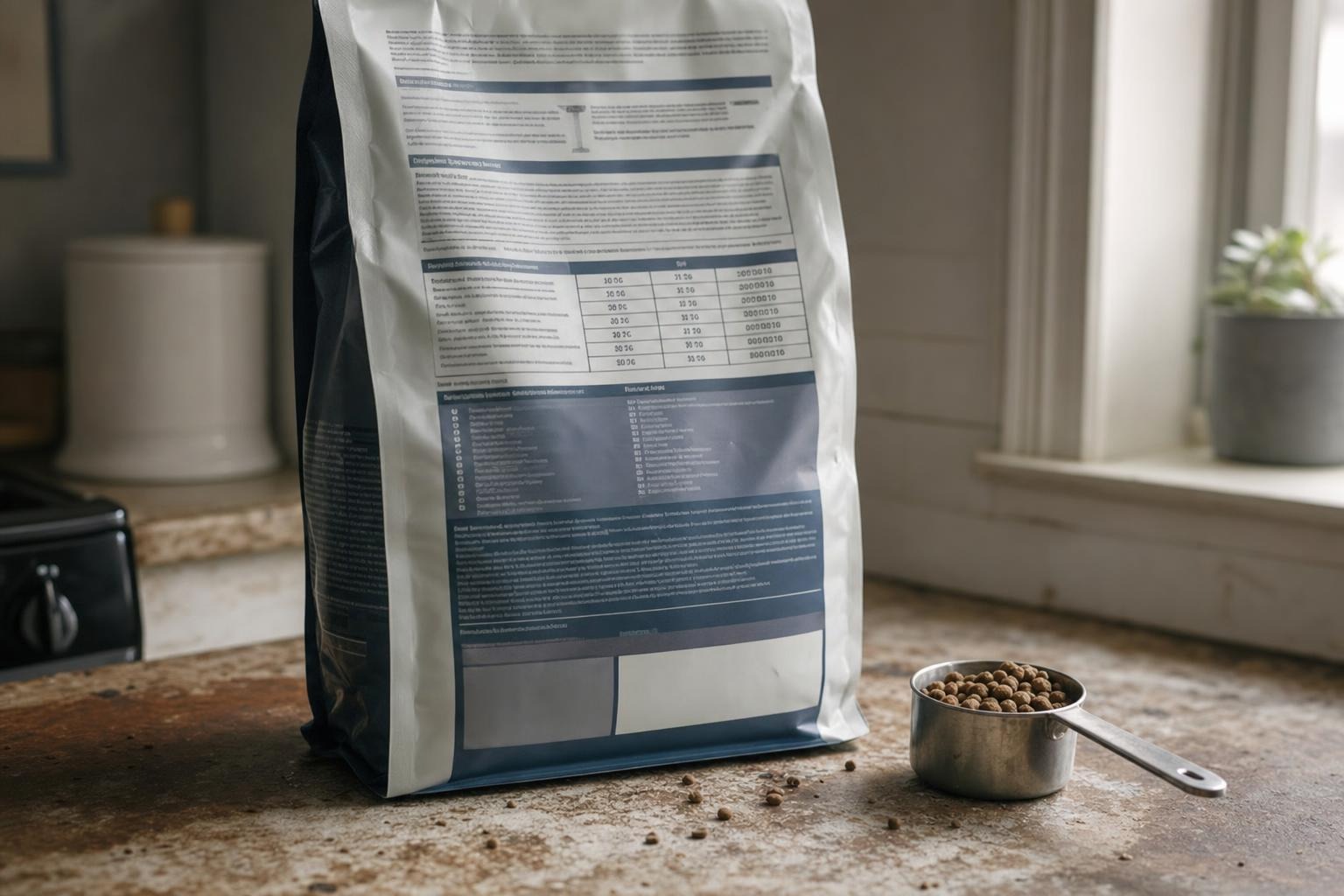
The most useful part of a dog food label is not the picture of fresh meat or the claims on the front. It is the nutritional adequacy statement.
According to the Association of American Feed Control Officials (AAFCO), this statement helps match a product to your pet's needs, including the recognized life stage and the feeding directions for a complete diet.
You may see the phrase "complete and balanced" on many packages. Guidance from the U.S. Food and Drug Administration explains that this means the food either meets AAFCO nutrient profiles or has passed AAFCO feeding trials. In plain terms, it is designed to be the whole meal, not a snack.
Pet food labels are also changing as new model regulations are adopted. During this transition, labels may look different from brand to brand, which is another reason to focus on the adequacy statement itself.
Whether choosing Barking Heads and Meowing Heads or another pet food brand, the adequacy statement is one of the clearest indicators of how the food should be used.
Quick label checklist:
- Does the life stage match your dog, such as puppy, adult, senior, or all life stages?
- Is there a nutritional adequacy statement mentioning AAFCO?
- Are calories and feeding directions listed?
- Is the manufacturer's contact information easy to find?
Make Mealtimes Calmer and More Consistent
A predictable routine helps picky eaters and anxious dogs alike. The American Kennel Club (AKC) suggests setting fixed mealtimes, offering the bowl for about 15 to 20 minutes, then picking it up if your dog walks away.
Avoid leaving food out for grazing, since constant access can dull appetite. If your dog refuses food for more than 24 hours, contact your veterinarian.
In multi-pet homes, feeding can turn competitive. The same guidance recommends feeding pets in separate spaces, picking up unfinished bowls promptly, and not letting pets share dishes.
This reduces tension and helps you notice if one animal is eating too much or too little.
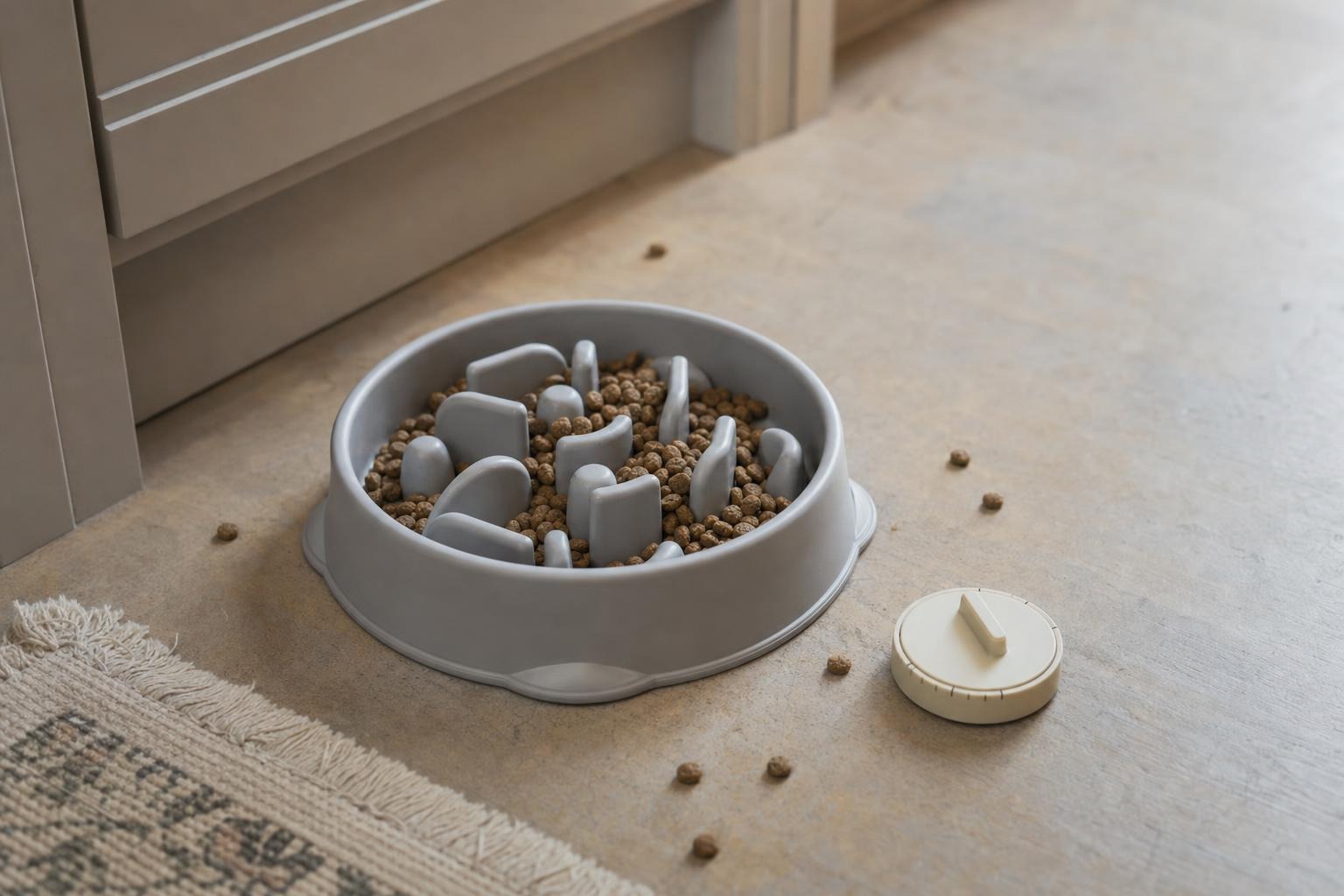
For dogs that inhale their food, slowing things down is both kinder and safer. Slow-feeder bowls, puzzle feeders, or hand-feeding a few portions can help.
Feeding two or three smaller meals rather than one large meal may also reduce the risk of canine bloat, a serious condition also known as gastric dilatation-volvulus.
Meal Toppers 101: What They Are and When to Use Them
Meal toppers are extras you add to a base diet to boost flavor or interest. They come in wet forms like gravies and broths, and dry forms like powders and freeze-dried pieces.
The AKC notes that toppers can entice picky dogs, but they are not necessary for most dogs already eating a complete and balanced diet.
Good moments to reach for a topper include tempting a hesitant eater, adding a little variety, or helping a dose of medication go down more easily.
If you are exploring single-protein options for those situations, you can find food toppers for dogs in capsule or powder form. Start small and keep toppers within the 10% calorie guideline.
Products such as Dog by Dr Lisa are positioned as single-protein, freeze-dried additions meant to complement a balanced diet, so they are best treated as a flavor helper, not a fix for a medical issue.
The safety rule to remember is simple: treats and toppers combined should stay at or under 10% of your dog's daily calories, and you should adjust the main meal portion accordingly.
The World Small Animal Veterinary Association offers similar background guidance, suggesting that complementary items make up only a small portion of the diet, roughly 10% or less, or be used under veterinary supervision.
If your dog has allergies or is on an elimination diet, talk to your vet before adding anything new.
How to Use Toppers Without Unbalancing Meals
The math is simpler than it sounds. Check the calorie count (kcal) on your dog food label, calculate 10% of the daily total, and make sure treats plus toppers stay under that number.
Then trim the base meal slightly to keep the day's calories steady. This way a topper adds appeal without adding excess.
Introduce any new food or topper gradually. The AKC recommends transitioning over a few days to reduce the chance of stomach upset.
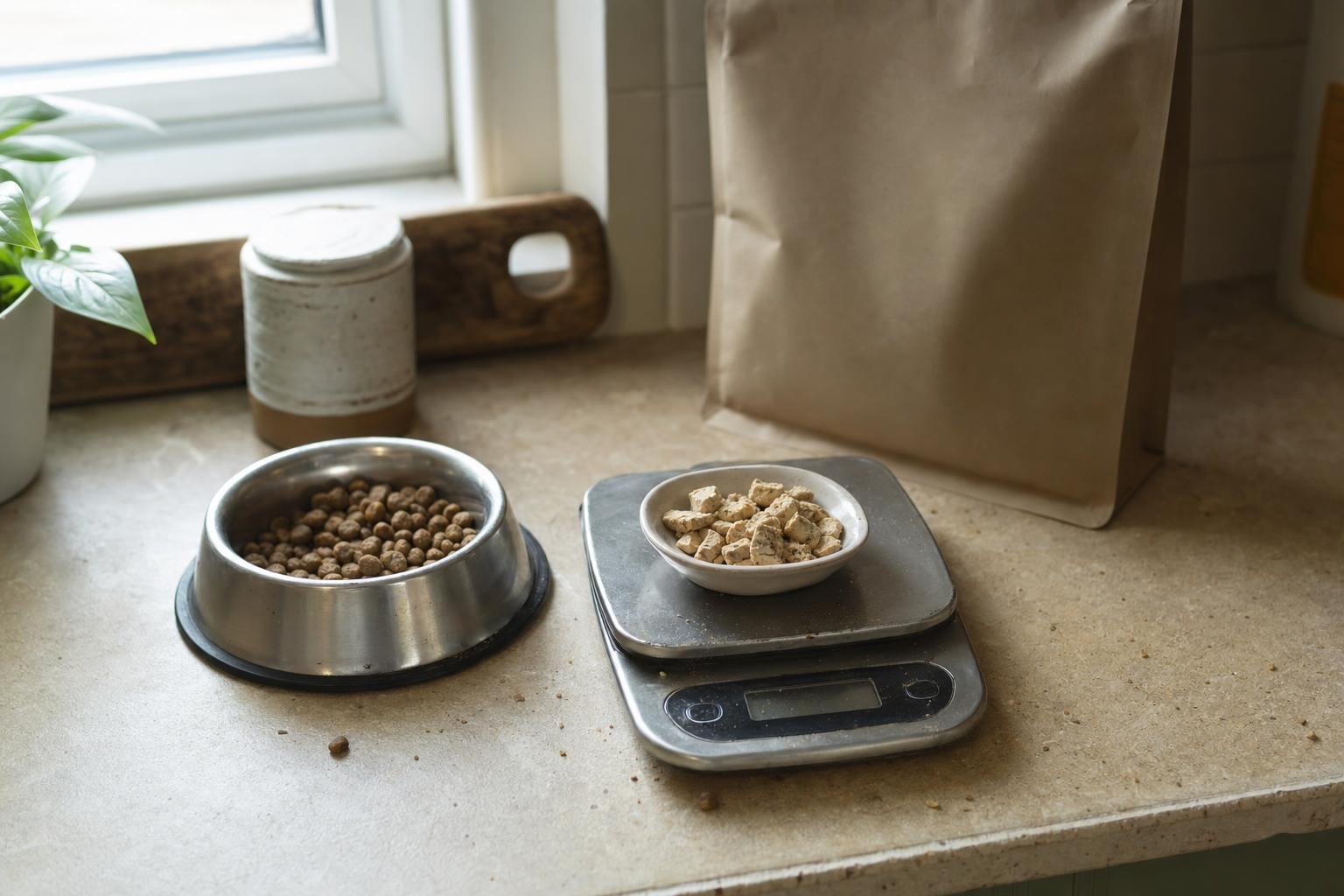
If you use Dog by Dr Lisa or another freeze-dried topper, measure the amount instead of sprinkling freely.
For a single-protein product such as Dog by Dr Lisa, it is also wise to note the protein source so you can track any reaction.
If aroma is the problem, gentle warmth can help. Warming wet food to roughly 101 to 102.5 degrees Fahrenheit may enhance the smell and encourage eating, especially for dogs recovering from illness.
Warm it slightly, never hot, and always test the temperature first.
One caution on raw options: the U.S. Centers for Disease Control and Prevention does not recommend feeding raw pet food or treats to dogs and cats.
Whatever you choose, follow storage instructions and wash your hands before and after handling pet food.
Storage and Prep That Keep Food Safe and Tasty
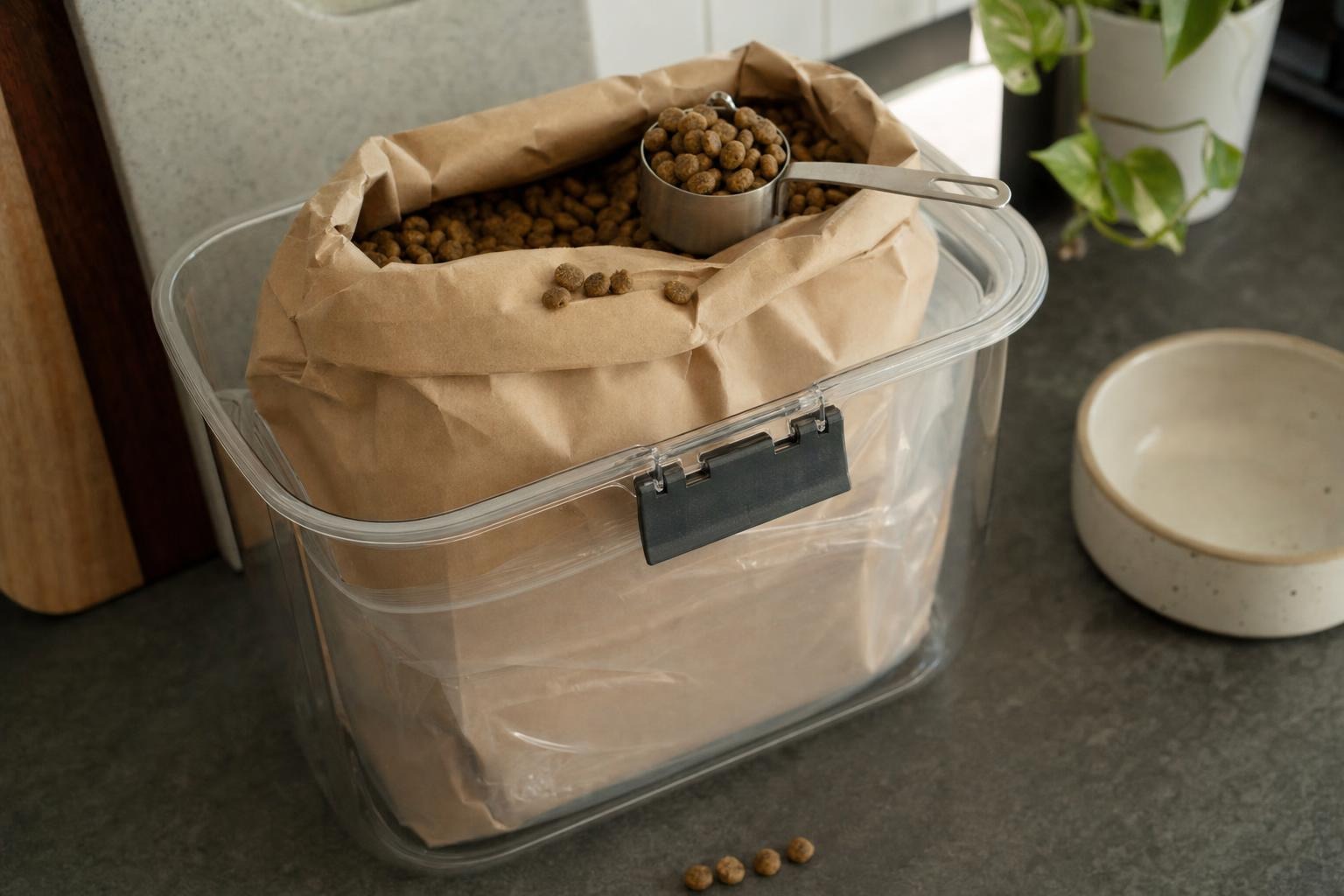
How you store food affects both safety and flavor. The FDA advises keeping dry food in its original bag, or placing that bag inside a sealed container, and storing it below 80 degrees Fahrenheit.
Saving the lot number from the bag makes it far easier to check quickly if a recall is ever announced.
Day-to-day hygiene matters too. Wash bowls and scoops regularly, and keep prep surfaces clean.
If you order from The Animal Pharmacy or another online retailer, keep the order details with your pet records so you can trace the product name, size, and batch information if needed.
These small steps mean fewer tummy upsets and faster answers if you ever need to investigate a problem.
Choosing a Premium Option That Fits Your Household
When you are comparing foods, a simple flow keeps decisions manageable. Start with life stage, then consider your dog's body condition, your preferred format (dry, wet, or a mix), your budget, and finally whether a topper plan makes sense. Working in that order stops you from being swayed by packaging alone.
Remember that toppers and premium recipes do not treat medical problems.
If your dog has persistent appetite loss, ongoing digestive signs, or needs an elimination-diet trial, consult your veterinarian rather than adjusting food on your own.
Where you buy can also shape your options. For readers in Australia, you can shop premium dog food online by brand, life stage, or special diet through a vet-founded pet pharmacy such as The Animal Pharmacy.
Wherever you buy, check the label for a nutritional adequacy statement and follow the feeding directions. Treat this as one browsing option, not a substitute for veterinary advice.
A 7-Day Mealtime Reset
If mealtimes have drifted into chaos, a short reset can help you rebuild good habits without stress. Spread changes across the week so your dog adjusts comfortably.
- Days 1 to 2: Set fixed mealtimes. Offer the bowl for 15 to 20 minutes, then pick it up. No grazing in between.
- Days 3 to 4: Introduce a slow-feeder bowl or puzzle feeder if your dog eats too fast, and split meals into two or three smaller servings.
- Days 5 to 7: If you want to add a topper, introduce a small amount gradually and keep it within the 10% calorie limit, trimming the base meal to match.
Pause the plan and call your veterinarian if you notice food refusal beyond 24 hours, vomiting or diarrhea, or a dramatic change in behavior.
These signs are worth a professional look rather than another change at the bowl. For everyday meals, return to the basics of balanced dog nutrition.
Bringing It All Together
Feeding your dog well does not require complicated routines or expensive gimmicks.
Pick a base that is genuinely complete and balanced, keep extras like toppers and treats at or under 10% of daily calories, and hold to a calm, consistent schedule.
- Parents Are Prioritising Breathable, Sustainable Fabrics For Children's Seasonal Sleepwear
- Our Homemade Christmas Printables, Made With AI: What Worked, What Didn't, and What I'm Saving for Next Year
- At-Home vs. In-Lounge IV Therapy in the Hudson Valley: Which Makes More Sense?
- Can Passengers Pursue Compensation After a Car Accident?




Whether you buy locally, through The Animal Pharmacy, or from another trusted retailer, use the label and your dog's response as your guide.
Add small, safe tweaks such as gentle warming or a slow feeder when they help, and lean on your veterinarian for anything that looks like a health concern.
With those habits in place, dinner becomes one of the easier parts of your day.





Leave a Reply