

Creating a calming home doesn't have to involve expensive renovations or designer furniture. In many cases, the atmosphere of a room is shaped by thoughtful details rather than major purchases.
Small changes in lighting, organization, color, and daily routines can transform a space into one that feels noticeably more peaceful without placing a strain on the household budget.
A relaxing home is ultimately one that supports everyday life, making it easier to unwind after work, enjoy quiet weekends, and spend quality time with family and friends.

Jump to:
Pay Attention to the Details That Influence Comfort
Some of the biggest improvements come from addressing small frustrations that occur every day.
Fixing a squeaky door, replacing worn-out cushions, organizing charging cables, adjusting furniture layouts, or adding felt pads beneath chairs can subtly improve how a home feels to live in.
Indoor plants are another affordable addition that brings color and life into many rooms. Even a few low-maintenance varieties can soften interiors while creating a stronger connection to nature.
Creating a relaxing environment also extends to the routines people enjoy once they're able to unwind.
While some prefer reading, music, or herbal tea, others choose different lifestyle products that fit their personal preferences.
Those interested in cannabis-related products often take time to compare available options before purchasing and may shop weed pens online after reviewing product information and deciding what best suits their needs.
Pleasant scents, whether from candles, fresh flowers, or essential oil diffusers, can also contribute to a calmer atmosphere when used thoughtfully.
Relaxing homes are rarely defined by expensive furniture or luxury finishes. More often, they reflect careful attention to comfort, functionality, and personal style.
By making gradual improvements that suit the way a household actually lives, it's possible to create welcoming spaces that feel enjoyable every day without requiring a major financial commitment.
Let Your Walls Set the Mood
Walls occupy more visual space than almost any other element in a room, making them one of the most effective places to introduce a fresh look.
While a new coat of paint can make a significant difference, wallpaper has become an increasingly popular option for adding texture, personality, and warmth without requiring a complete redesign.
Modern collections offer everything from subtle neutral patterns to bold botanical prints, allowing homeowners to match different rooms with different moods.
Companies such as Painted Paper provide a wide variety of wallpaper styles that can help create a cozy reading corner, a calming bedroom, or an inviting living space while complementing existing furniture and décor.
Even updating a single feature wall can change the overall feeling of a room without requiring a large investment.
Reduce Visual Clutter One Area at a Time
Clutter has a way of making even attractive spaces feel stressful. Fortunately, creating a tidier environment doesn't require buying expensive storage systems.
Focusing on one drawer, shelf, or corner each day often produces better long-term results than attempting to organize an entire house in one weekend.
Storage baskets, decorative boxes, and multi-purpose furniture help keep frequently used items accessible while reducing visible mess.
Simply removing unnecessary objects from countertops and tables can immediately make a room feel more open and comfortable.
Regularly maintaining these small improvements prevents clutter from gradually returning.
Make Better Use of Natural and Artificial Light
Lighting influences the atmosphere of a home more than many people realize.
Opening curtains during the day lets natural light brighten living spaces, while replacing harsh bulbs with warmer alternatives creates a softer environment in the evening.
Instead of relying on a single overhead fixture, combining floor lamps, table lamps, and reading lights creates layers that make rooms feel more inviting.
Simple additions such as dimmable bulbs or smart lighting controls can also provide flexibility without requiring extensive electrical work.
Good lighting supports both relaxation and functionality, making everyday activities feel more comfortable.
Introduce Comfort Through Texture
Not every home improvement project involves construction. Sometimes the easiest way to make a room feel more welcoming is by introducing softer textures.
Throw blankets, cushions, area rugs, linen curtains, and upholstered seating all contribute to a sense of warmth that encourages people to spend more time in a space.
Mixing different materials, such as natural wood, woven fabrics, cotton, and soft wool, adds visual interest without making a room feel overly busy.
Seasonal changes can also be inexpensive. Rotating lighter fabrics during warmer months and heavier textiles during winter helps keep interiors feeling fresh throughout the year.
Create Small Spaces for Everyday Relaxation
A relaxing home doesn't require a dedicated meditation room or a large renovation budget.
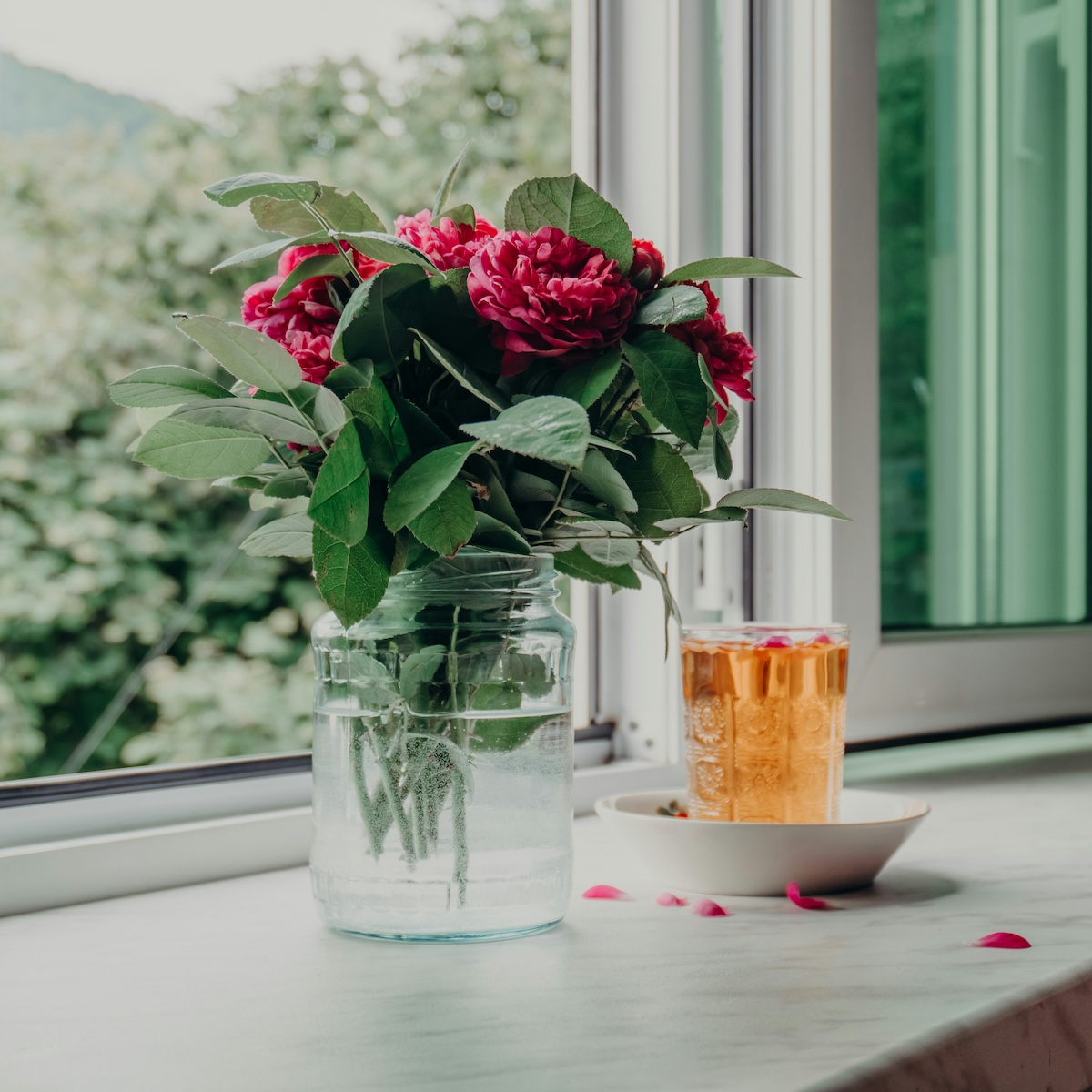
Instead, consider creating a small area designed around a favorite daily activity. A comfortable chair beside a window, a compact reading nook, or a quiet corner for journaling can become a welcome escape from busy routines.
- Parents Are Prioritising Breathable, Sustainable Fabrics For Children's Seasonal Sleepwear
- Our Homemade Christmas Printables, Made With AI: What Worked, What Didn't, and What I'm Saving for Next Year
- At-Home vs. In-Lounge IV Therapy in the Hudson Valley: Which Makes More Sense?
- Can Passengers Pursue Compensation After a Car Accident?




Adding a small side table, good lighting, and a few personal touches often costs very little while encouraging regular moments of relaxation.
The value comes from consistently using the space rather than filling it with expensive accessories.





Leave a Reply