

Pregnancy is one of the most exciting chapters of a woman's life, but it also comes with a heightened responsibility to protect both your own health and that of your growing baby.
One often-overlooked risk during this time is foodborne illness. What might cause a healthy adult a day or two of discomfort can have serious, even life-threatening consequences for an expectant mother and her unborn child.
The reality is that foodborne illness is more common than most people realize. The CDC estimates that roughly 48 million Americans experience food poisoning each year, and pregnant women face a disproportionately high share of the most dangerous complications.
If you are pregnant and live in Massachusetts, understanding the risks, warning signs, and your legal rights after a food poisoning incident could make all the difference.
Jump to:
Why Pregnant Women Face a Greater Risk
The immune system naturally shifts during pregnancy to protect the baby from being rejected as a foreign body. While this is a normal and necessary biological change, it also means your body is less equipped to fight off harmful bacteria and pathogens found in contaminated food.
According to the Centers for Disease Control and Prevention (CDC), pregnant women are 10 times more likely to contract Listeria than the general population. Even a mild case of Listeriosis can lead to miscarriage, stillbirth, premature delivery, or severe illness in newborns.
Other high-risk pathogens during pregnancy include:
- Salmonella: commonly found in raw poultry, eggs, and unpasteurized products
- E. coli O157:H7 linked to undercooked beef and unwashed produce
- Toxoplasma gondii: found in undercooked meat and contaminated water
- Listeria monocytogenes: present in deli meats, soft cheeses, and smoked seafood
Recognizing the Warning Signs
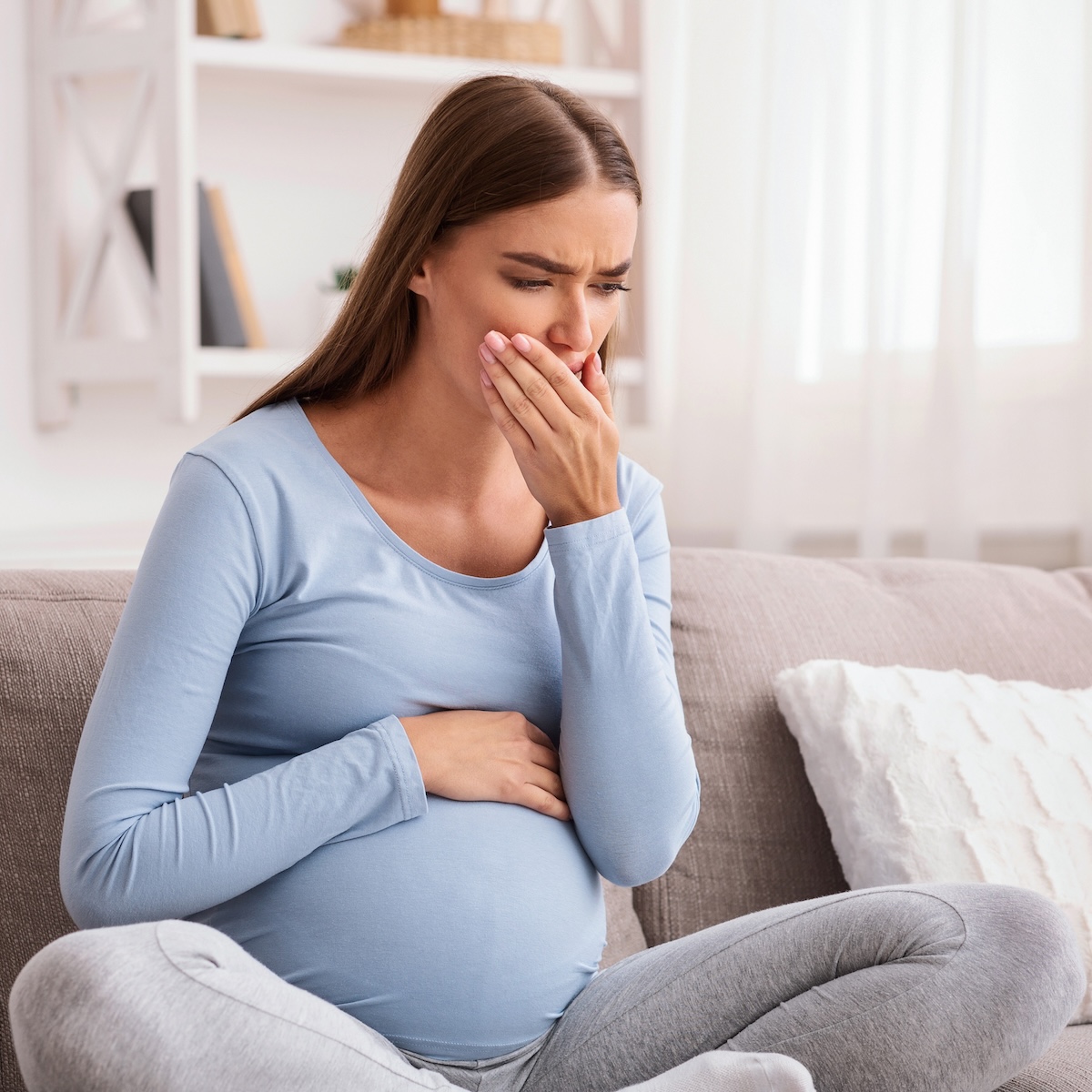
Because pregnant women are often managing a range of normal discomforts, such as nausea, fatigue, and stomach changes, food poisoning symptoms can be easy to dismiss. That is exactly why awareness matters.
Common symptoms to watch for include:
- Fever above 100°F (especially concerning during pregnancy)
- Nausea, vomiting, or persistent diarrhea
- Muscle aches, headaches, or a stiff neck
- Abdominal cramping or unusual back pain
- Reduced fetal movement
The U.S. Food and Drug Administration (FDA) notes that symptoms of Listeria infection can appear anywhere from three days to several weeks after consuming contaminated food, which makes it difficult for many people to connect their illness to a specific meal.
If you experience any of these symptoms while pregnant, contact your healthcare provider immediately. Do not wait to see if symptoms resolve on their own. Early diagnosis and treatment are essential, particularly for bacterial infections like Listeria, which require antibiotic therapy to protect the baby.
Safe Eating During Pregnancy: A Quick Guide
Prevention is always the best approach. The following guidelines, adapted from the USDA Food Safety and Inspection Service, can significantly reduce your risk:
- Avoid high-risk foods: raw or undercooked meat, unpasteurized dairy, soft cheeses (like brie, feta, and queso fresco), raw sprouts, and ready-to-eat deli meats unless heated to steaming hot.
- Wash hands and surfaces often: before and after handling raw food, and especially after touching raw meat or poultry.
- Separate raw meats from ready-to-eat foods: use separate cutting boards and never let raw juices come into contact with fresh produce.
- Cook to safe internal temperatures: use a food thermometer to confirm that meats reach the appropriate internal temperature.
- Refrigerate promptly: perishable foods should never sit at room temperature for more than two hours.
- Be cautious when eating out: ask restaurants about ingredients, avoid buffets where food sits out, and be selective about sushi, undercooked eggs, and unpasteurized juices.
When Food Poisoning Is Someone Else's Fault
Sometimes, no matter how careful you are, food poisoning happens because a restaurant, grocery store, or food manufacturer failed to meet their duty of care. In those cases, you may have legal options.
In Massachusetts, victims of foodborne illness, including pregnant women whose pregnancies are harmed, have the right to pursue compensation for medical bills, lost wages, pain and suffering, and, in the most tragic cases, pregnancy loss. Identifying contaminated food, linking your illness to a specific source, and building a legal case requires experience and timely action.
If you believe a negligent business or contaminated product caused your food poisoning, contact experienced food poisoning lawyers in Massachusetts to determine if you have a valid claim and what steps to take next.
You Deserve to Feel Safe At the Table and Beyond
Growing a new life is demanding enough without the added worry of foodborne illness.
- Parents Are Prioritising Breathable, Sustainable Fabrics For Children's Seasonal Sleepwear
- Our Homemade Christmas Printables, Made With AI: What Worked, What Didn't, and What I'm Saving for Next Year
- At-Home vs. In-Lounge IV Therapy in the Hudson Valley: Which Makes More Sense?
- Can Passengers Pursue Compensation After a Car Accident?




By staying informed about the foods to avoid, recognising symptoms early, and knowing your rights if negligence played a role, you can take meaningful steps to protect yourself and your baby.





Leave a Reply