

Clean mobility used to be a highway conversation: commuter cars, delivery vans, public charging, fuel savings.
That conversation still matters, but electric power has moved well past the daily commute, into e-bikes, scooters, motorcycles, and now the dirt bike.
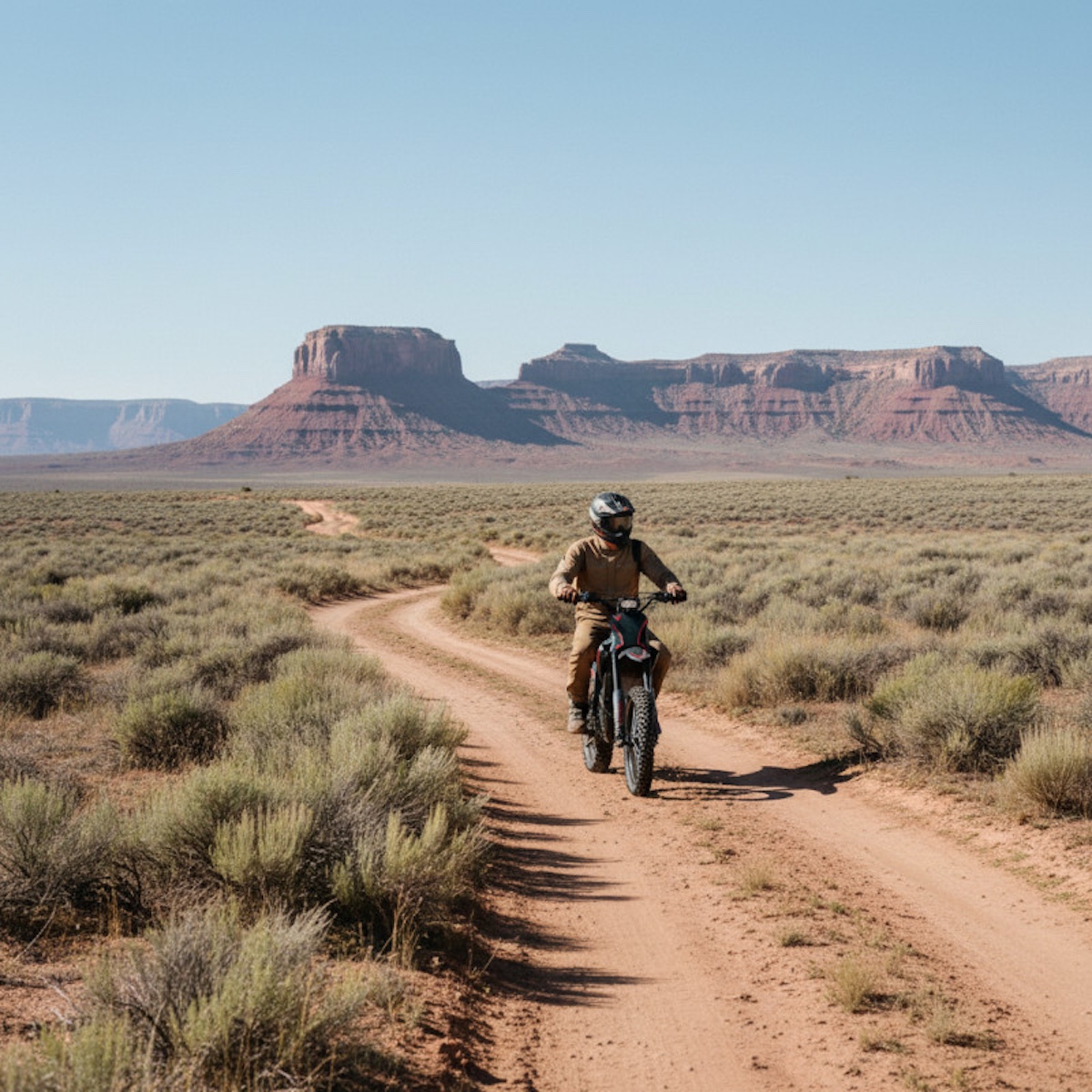
An electric dirt bike brings battery power, instant torque, near-silent operation, and no tailpipe emissions to a corner of recreation that gas has owned for decades.
Here is the part most coverage misses and the reason this category deserves a clean-mobility audience’s attention.
For an electric car, “clean” mostly means emissions. For an electric dirt bike, the more consequential benefit may be something else entirely: land access.
Off-road recreation’s biggest long-term threat is not its carbon footprint; it is the steady loss of places to legally ride, and the two things regulators cite most when they close those places are noise and local disturbance.
An electric drivetrain removes both. That reframes the electric dirt bike from “a quieter toy” into something closer to a survival strategy for the sport.
This is not a pitch that electric is universally better than gas, or that these machines belong everywhere.
They do not. But for private landowners, ranch and cabin families, adult weekend riders, and anyone tracking where clean mobility goes next, electric dirt bikes are getting hard to ignore and are worth understanding before buying.
Jump to:
- Why EV Adoption Is Moving Beyond Cars
- Why Off-Road Recreation Is Ready for Electrification
- Electric Dirt Bikes vs Gas Dirt Bikes: What Actually Changes?
- Battery, Torque, and Maintenance: The Practical Case
- Where Electric Dirt Bikes Fit: Private Land, Trails, and Clean Recreation
- What Buyers Should Compare Before Choosing an Electric Dirt Bike
- Where a 52 MPH Electric Dirt Bike Fits in the Market
- Clean Off-Road Recreation Still Requires Responsible Riding
- The Future of Clean Off-Road Recreation
- Final Thoughts: Not Just Cleaner Versions of Gas Bikes
Why EV Adoption Is Moving Beyond Cars
The EV story has matured past “can electric replace gas cars.” The bigger story now is that batteries have become a platform for many kinds of movement, and most people meet that platform first through something small, an e-bike, a scooter, a recreational machine, not a full-size car.
Those smaller vehicles often solve different problems: not commuting farther, but moving more easily, more quietly, with simpler ownership.
Off-road recreation is the next category in line, and it is being pulled in by a different set of priorities than the ones that sold electric cars. Range anxiety and fuel savings are not what move a weekend dirt rider.
Torque, noise, maintenance, and, increasingly, whether there will still be somewhere legal to ride are.
That last factor is where the clean-mobility lens gets interesting, because the case for electric off-road is being written less by emissions math and more by land-use politics.
Why Off-Road Recreation Is Ready for Electrification
Off-road riding has always been built on sensation, traction, acceleration, terrain, sound, control, and gas dirt bikes deliver that in a raw, mechanical way that has a deep and loyal culture.
Electric does not erase that culture. It opens a second door into the sport for riders with different priorities: lower noise, less engine maintenance, home charging, instant torque, and a weekend that is not built around a garage.
But the deeper reason the timing matters is regulatory. Across the U.S., the right to ride off-road on public land is contested ground.
Conservation groups and park advocates routinely cite excessive noise and disturbance, not carbon, as the reason to close trails and areas to motorized use.
The federal framework that governed off-highway vehicle access for roughly fifty years was overhauled by executive order in 2026, and the entire fight, on both sides, centers on noise, dust, and wildlife impact.
Arizona alone saw off-highway vehicle use grow severalfold over a decade, and that growth is exactly what intensifies the land-use conflict.
In that environment, the machine that makes the least noise and leaves no local exhaust is not just pleasant to own, it is the one least likely to get a riding area shut down.
Lower Noise Is an Access Strategy, Not Just a Courtesy
Gas dirt bikes are loud by design, and for enthusiasts, that sound is part of the appeal. But noise is also the single most-cited reason for restricting riding areas.
Land managers set noise standards as a condition of access; the BLM, for instance, requires off-road motorcycles to run an approved spark arrester and a muffler meeting state noise limits before they are legal on its land.
An electric dirt bike sidesteps that entire category of complaint. Tires, chain, and suspension still make sound, but the engine roar that triggers neighbor disputes and closure petitions is simply gone.
For private land near other homes, for shared rural areas, and for any place where access depends on keeping the peace, that is a strategic advantage, not a luxury.
No Tailpipe Emissions Changes the Local Picture (Without Being Zero-Impact)
During use, an electric dirt bike produces no tailpipe emissions, no exhaust, no fuel smell, no stored gasoline.
That is a real change in the local riding environment, especially around family property and close recreational settings.
It is not a clean conscience on autopilot, though: batteries carry real impacts in materials, manufacturing, and end-of-life recycling.
The honest framing is that electric power lowers local exhaust and noise, and responsible riding and proper battery care do the rest. Clean recreation is a behavior, not a battery.
Simpler Ownership Widens the Rider Base
Gas bikes ask for mechanical involvement, the reason some riders love them and others never buy in.
Electric removes the routine engine tasks: no oil changes, no spark plugs, no fuel system, no tuning.
Plenty of upkeep remains, brakes, tires, suspension, bolts, chain or drivetrain, and battery and charging discipline, but the profile is far less intimidating, which brings in casual riders, families, and EV owners who already think in terms of charging rather than fueling.
Electric Dirt Bikes vs Gas Dirt Bikes: What Actually Changes?
The comparison gets framed too simply. Electric is not universally better; gas is not obsolete. They serve different riders and use cases, and the honest scorecard splits down the middle.
| Factor | Electric Dirt Bike | Gas Dirt Bike | What It Means for Riders |
|---|---|---|---|
| Power delivery | Instant torque | Builds through RPM | Electric feels quick and smooth; gas feels mechanical |
| Maintenance | Fewer engine tasks | More engine service | Electric is easier for casual riders |
| Noise | Generally quieter | Louder engine | Electric protects access on noise-sensitive land |
| Local emissions | None during use | Exhaust during use | Electric changes the local environment |
| Refuel / charge | Battery charging | Gas refill | Gas refuels faster; electric charges at home |
| Range | Battery-dependent | Tank-dependent | Gas suits long remote sessions better |
| Riding feel | Smooth, modern | Traditional, mechanical | Preference depends on rider |
| Best use case | Private land, short clean sessions | Long rides, racing, gas culture | Each serves a different rider |
Electric wins on quiet operation, low routine maintenance, home charging, instant torque, and no local exhaust, and, as the access argument above shows, on staying welcome where land use is contested.
Gas wins on fast refueling, long remote range, racing culture, traditional feel, and a deep used-bike and repair ecosystem.
Electric is not replacing every gas bike; it is opening the sport to riders who want a cleaner, quieter, lower-friction way in.
Battery, Torque, and Maintenance: The Practical Case
Battery Range Is About Real Riding, Not Spec Sheets
Range is the first question buyers ask and the easiest to misread. Advertised figures assume favorable conditions; real-world range bends to rider weight, terrain, temperature, tire pressure, hills, ride mode, and how hard the throttle gets used.
The useful question is not “what is the max range” but “how long do I actually ride in one session, and where will I recharge?”
For a lot of private-land and weekend riders, a 30-to-60-minute session is plenty, and the right battery is the one that fits that real use, not the biggest one on the page.
Riders planning longer trail-style days need to plan range and charging more deliberately.
Torque Is What You Feel on Dirt
Top speed gets the attention; torque defines the off-road experience. It is what matters starting on loose ground, climbing, pushing through grass and gravel, and accelerating out of a turn.
Electric motors deliver that pull immediately, which can make a bike feel planted in uneven terrain with fewer mechanical steps than a gas equivalent.
The better buyer question is not “how fast does it go” but “how does it pull in the terrain where I will actually ride?”
Maintenance Is Simpler, Not Absent
Electric drops the engine chores, no oil, plugs, fuel system, or tuning, but it is not maintenance-free.
Brakes, tires, chain or drivetrain, suspension, bolts, frame, electrical connections, and battery and charging habits all still need attention.
The honest benefit is not “no maintenance”; it is less engine maintenance and a simpler routine, so the bike gets ridden instead of sitting in the garage waiting on a service it never gets.
Where Electric Dirt Bikes Fit: Private Land, Trails, and Clean Recreation
These machines make the most sense where the riding is legal, controlled, and matched to the rider, not everywhere.
Many higher-powered models are built for off-road or private-land use only, and public roads, sidewalks, crowded parks, shared walking trails, and protected natural areas often prohibit motorized riding.
Responsible riding starts before the motor does, by checking local laws, land permissions, trail maps, park rules, and OHV regulations.
Private Land, Farms, and Ranches
Private land is the strongest use case: clear boundaries, easier supervision, little interaction with traffic, and the option to ride repeatedly without trailering the bike every weekend.
Lower noise matters even more here, it is what keeps a ride from becoming a neighbor problem.
Farms and ranches add open dirt paths and working land where a quiet, torquey machine fits naturally, provided the ground is inspected first for equipment, animals, fencing, holes, and ruts.
Cabins, Rural Properties, and Designated Areas
Cabin and rural-property weekends turn a familiar place into a repeatable activity, charge on site, ride short sessions, skip fuel storage.
For riders without private land, designated off-road areas offer clearer rules and terrain sorted by skill level; confirm electric dirt bikes are allowed and whether permits apply, since many trails are reserved for non-motorized use.
Skip sidewalks, public streets (unless clearly legal), crowded parks, shared paths, protected areas, and any private land without permission. Clean recreation depends on respect for the land and the people who share it.
What Buyers Should Compare Before Choosing an Electric Dirt Bike
For riders exploring different electric dirt bikes, the strongest choice is usually the one that fits the terrain, rider size, range needs, and maintenance expectations, not simply the one with the biggest headline number. A few factors matter most.
Rider Type and Riding Environment
An adult beginner, an experienced gas rider, a supervised teen, a private-land owner, and a weekend recreational rider all need different machines, and where the bike will be used decides what matters.
Open dirt rewards range and comfort; a small property rewards low-speed control; farms and ranches reward torque and durability; designated parks reward stronger suspension and tires. Match the bike to the rider and the place, not to the spec sheet.
Power, Torque, Range, and Charging
Power drives acceleration; torque drives the pull through dirt, hills, and loose ground, and more is not automatically better for a beginner.
On the energy side, think past the maximum range claim to a realistic charging routine: home, garage, cabin, or property, and how long the sessions run.
The setup that fits your actual riding beats the one that wins a spec comparison.
Brakes, Suspension, Tires, Fit, and Support
A capable bike has to stop and handle as well as it accelerates: brakes matched to the power, suspension for the terrain, tires for the surface, and a frame and seat height that fit the rider.
Because an electric dirt bike is long-term equipment, warranty, parts, documentation, and customer support belong on the checklist too, ownership does not end at delivery.
Where a 52 MPH Electric Dirt Bike Fits in the Market
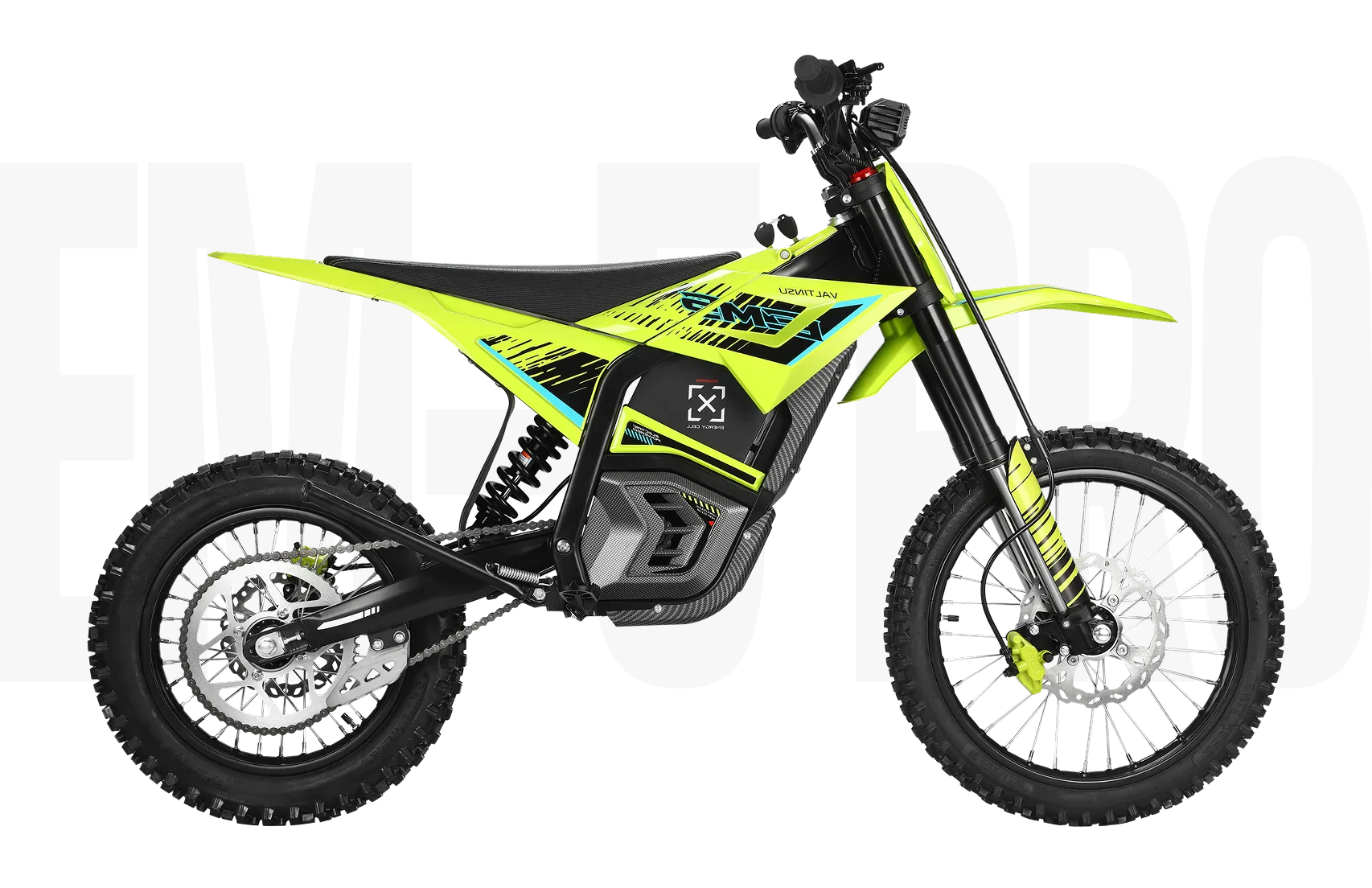
A 52 MPH electric dirt bike should be understood as a performance off-road machine, not a casual neighborhood e-bike.
For adult riders who want stronger performance on open dirt and private land, that speed makes sense, but only when it is matched with proper brakes, suspension, tires, safety gear, and rider experience. Speed is a system, not a number.
It fits adult riders on open dirt or private land, experienced users who want speed plus electric torque, and buyers who understand safety gear and legal riding areas.
It does not fit young beginners, sidewalk or public-road use, crowded parks, riders without a legal place to ride, or anyone shopping on top speed alone.
Evaluated as a complete package, braking, suspension, tire quality, range, fit, and support, a fast electric dirt bike is exciting in the right environment and the wrong tool in the wrong one.
Clean Off-Road Recreation Still Requires Responsible Riding
This is where the access argument comes full circle. Electric power lowers local exhaust and noise, but it does not hand anyone a pass.
A quiet bike ridden where motorized vehicles are banned does more damage to the sport’s future than a loud one ridden legally, because every conflict becomes evidence for the next closure.
No tailpipe emissions mean no responsibility toward trails, land access, wildlife, pedestrians, or neighbors.
Responsible clean recreation means riding only where permitted, staying on approved routes, wearing protective gear, checking brakes and tires before each ride, respecting quiet hours and neighbors, keeping clear of pedestrians and protected areas, never treating private land as open access, and maintaining the battery and electrical components properly.
Electric power can make off-road riding quieter and cleaner at the point of use, but rider behavior is what determines whether the gates stay open.
The Future of Clean Off-Road Recreation
Expect the category to specialize rather than stay one bucket: beginner bikes, teen models, adult-performance machines, utility-style off-road bikes, and race-inspired builds becoming distinct shelves.
Battery management will keep improving real-world range and charging; ride modes will help match power to skill and let a bike grow with a rider; torque control will get smoother and safer.
And the smartest brands will compete on honest use-case guidance rather than top-speed bragging, because in a category whose future depends on responsible land access, trust is the asset that compounds.
The most important trend may be the quietest one: as land-use scrutiny tightens, the low-noise, no-local-exhaust profile of electric off-road could become less of a selling point and more of a baseline expectation for riding in shared and sensitive areas.
The clean-mobility shift that started with cars may end up deciding where the next generation is allowed to ride at all.
Final Thoughts: Not Just Cleaner Versions of Gas Bikes
Electric dirt bikes are not gas dirt bikes with batteries bolted in. They create a different riding and ownership experience: instant torque, quiet operation, home charging, fewer engine chores, and no tailpipe emissions during use.
- Parents Are Prioritising Breathable, Sustainable Fabrics For Children's Seasonal Sleepwear
- Our Homemade Christmas Printables, Made With AI: What Worked, What Didn't, and What I'm Saving for Next Year
- At-Home vs. In-Lounge IV Therapy in the Hudson Valley: Which Makes More Sense?
- Can Passengers Pursue Compensation After a Car Accident?




They fit private land, adult weekend riders, farms, ranches, cabins, family recreation, and controlled off-road settings especially well.
Buyers still have to weigh terrain, range, suspension, brakes, fit, support, local law, and rider skill before choosing.
But the real story for a clean-mobility audience is not that these bikes are quieter or simpler.
It is that quieter and cleaner may be exactly what keeps off-road recreation legal as the rules tighten.
Gas will keep its place in off-road culture. Electric is building a new one beside it, and for anyone who wants clean mobility to extend past the pavement, that is the part worth watching.





Leave a Reply