

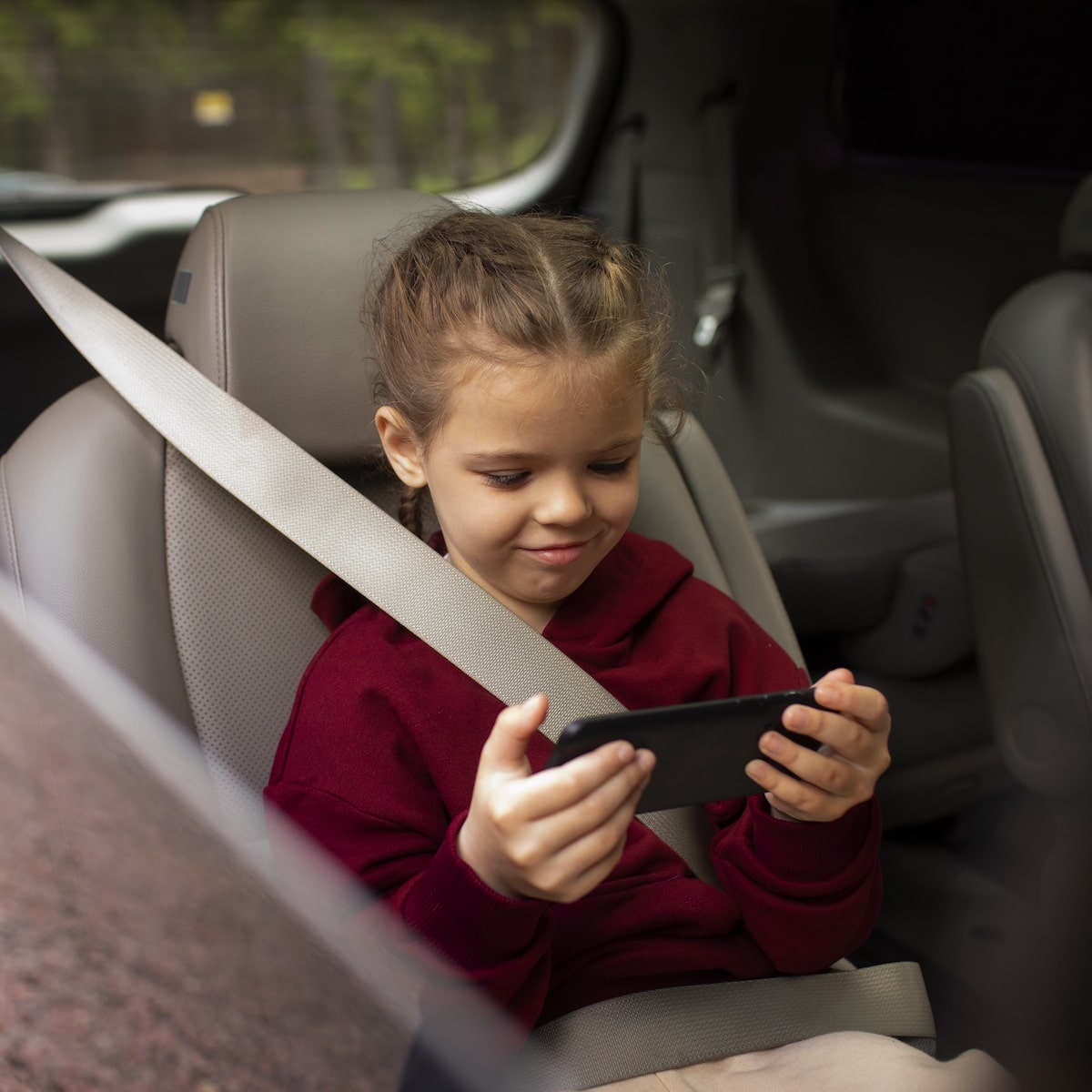
The back seat is widely considered the safest place for children riding in a vehicle. Safety experts, pediatricians, and traffic agencies consistently recommend rear-seat travel because it reduces a child's exposure to the most dangerous areas of a crash, including the dashboard, steering wheel, and front airbags.
Pennsylvania has extensive child passenger safety laws designed to protect young travelers.
Pennsylvania has extensive child passenger safety laws designed to protect young travelers.
The state requires specific restraint systems based on a child's age and size. Pennsylvania also actively promotes car seat education through hospitals, safety technicians, and community programs.
Many parents ask, “When can a kid sit in the front seat in PA?” While state law allows older children to ride in the front under certain circumstances, safety experts and the National Highway Traffic Safety Administration recommend keeping children under 13 in the back seat whenever possible for maximum protection.
Jump to:
Why the Back Seat Is Safer
The biggest reason the back seat offers better protection is distance from impact. Most serious crashes involve the front of a vehicle.
When a child rides in the rear seat, they are farther away from the primary collision zone, reducing the risk of severe injuries.
The back seat also protects children from striking hard surfaces such as dashboards, center consoles, and steering columns during a crash.
Even with modern vehicle safety features, physical distance remains one of the most effective forms of protection.
Research has shown that children seated in the rear can experience significantly lower injury risks compared to those sitting in the front.
The Hidden Danger of Front Airbags
Airbags save lives, but they are designed for adults, not young children.
When a front airbag deploys, it inflates with tremendous force in a fraction of a second.
For smaller passengers, especially children under 13, that force can cause serious head, neck, spinal, or facial injuries.
The danger is even greater for infants riding in rear-facing car seats. An airbag striking the back of a rear-facing seat can cause catastrophic injuries.
This is one reason safety organizations strongly discourage placing young children in the front passenger seat.
Pennsylvania's Child Passenger Laws
Pennsylvania has specific child restraint requirements that help keep young passengers safe.
Children under age two must ride in a rear-facing child restraint system. Children ages two through three must use a forward-facing seat with a harness.
Children ages four through seven are generally required to use a booster seat, while children eight and older must wear a properly fitted seat belt.
Under Pennsylvania Vehicle Code § 4581, drivers are legally responsible for ensuring that children are properly restrained in accordance with these requirements. Violations can result in fines and additional costs.
Best Practices Beyond the Law
Meeting the minimum legal requirement does not always mean following the safest practice.
Many child safety experts recommend keeping children rear-facing longer if their car seat allows it. Likewise, children should remain in a booster seat until the vehicle's seat belt fits correctly, which often occurs between ages 10 and 12.
Experts also recommend that all children under 13 ride in the back seat, regardless of whether state law specifically requires it.
- Parents Are Prioritising Breathable, Sustainable Fabrics For Children's Seasonal Sleepwear
- Our Homemade Christmas Printables, Made With AI: What Worked, What Didn't, and What I'm Saving for Next Year
- At-Home vs. In-Lounge IV Therapy in the Hudson Valley: Which Makes More Sense?
- Can Passengers Pursue Compensation After a Car Accident?




Experts also recommend that all children under 13 ride in the back seat, regardless of whether state law specifically requires it.
Pennsylvania Vehicle Code § 4581 further supports child passenger safety by encouraging car seat loan programs and protecting certified safety technicians who assist families with proper car seat installation.
Final Takeaways
- The back seat is the safest place for children in a vehicle.
- Rear-seat passengers are farther from the most common impact zones.
- Front airbags can seriously injure young children.
- Proper car seats and booster seats are required by age and size.
- Safety experts advise keeping children under 13 in the back seat.
- Following best practices can provide protection beyond minimum legal requirements.





Leave a Reply