

Sharing the road with large trucks can be intimidating and even dangerous if drivers lack the right strategies and awareness.
Whether you are on a busy highway or moving through urban streets, understanding how to navigate around these massive vehicles is essential for your safety and others'.
Implementing effective sharing tactics can help prevent serious collisions and foster a safer roadway for everyone.
If you have been involved in an accident, consulting an Orlando truck accident lawyer can provide valuable legal guidance and support throughout the recovery process.
Trucks operate very differently from passenger vehicles. Their size, weight, and handling characteristics pose significant risks, especially in heavy traffic or poor weather.
Taking proactive measures, such as keeping your distance and respecting blind spots, can be critical. Even small miscalculations can lead to catastrophic outcomes when large trucks are involved.
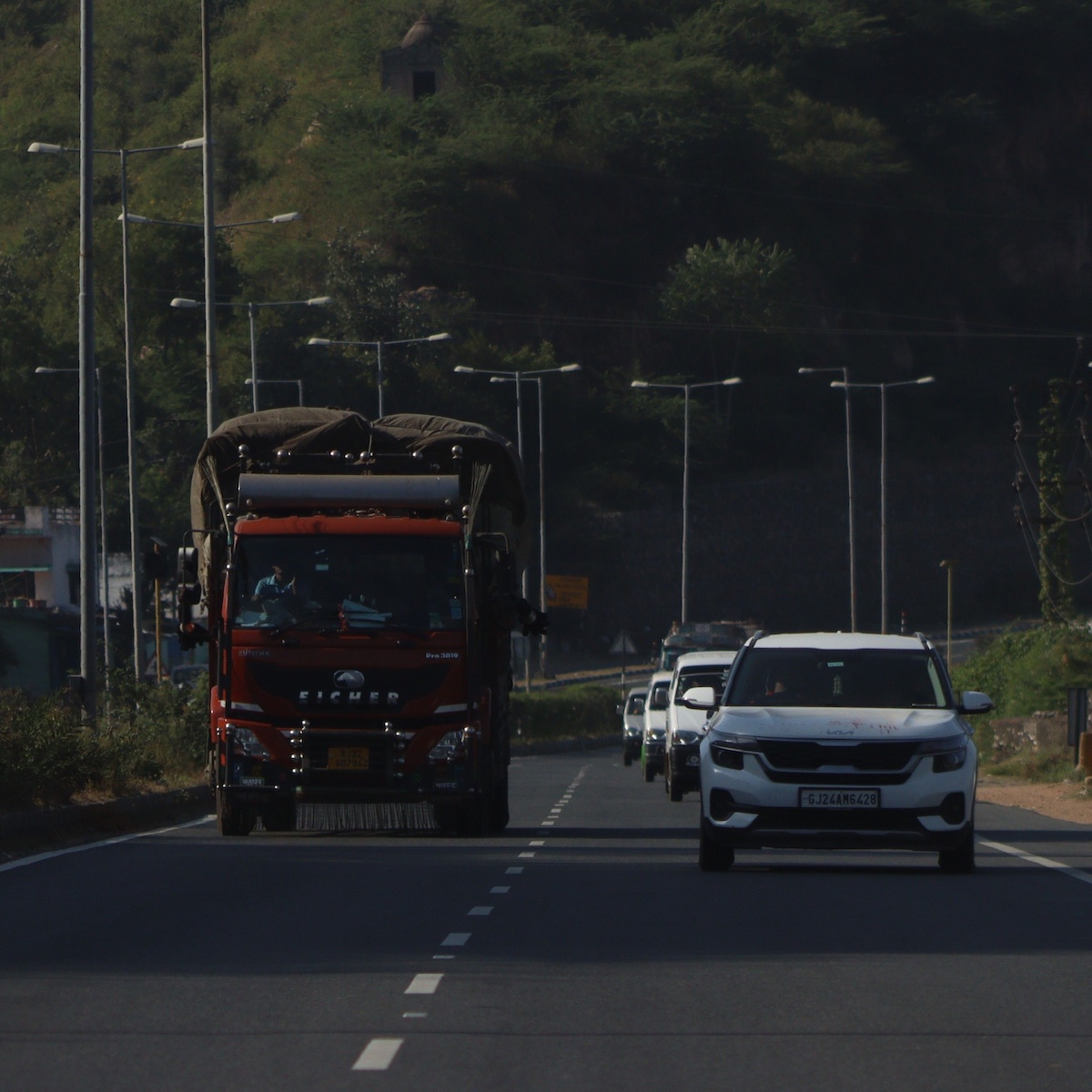
Jump to:
Understanding Truck Blind Spots
Large trucks have expansive blind spots, often referred to as "no-zones," which exist on all four sides of the vehicle.
The right side and the area directly behind the truck are the largest and most dangerous. If you are driving in these zones, the truck driver will not be able to see you.
A useful rule to remember: if you cannot see the truck’s side mirrors, the driver cannot see you.
Minimizing time spent in these no-zones is crucial, as lingering can lead to serious sideswipe or merging accidents.
Maintaining Safe Following Distances
Due to the sheer size and weight of large trucks, they take much longer to stop than smaller vehicles.
Tailgating or following too closely leaves you vulnerable if the truck needs to stop suddenly and can result in severe rear-end collisions.
A best practice is to keep at least four to five seconds of space between your vehicle and the truck in front of you.
In adverse weather or heavy traffic, increasing the following distance further reduces the risk of whiplash or other injuries from sudden stops.
The Federal Motor Carrier Safety Administration (FMCSA) provides additional information on this important safety practice.
Safe Passing Techniques
When overtaking a large truck, do so with caution and only on the left side where visibility is optimal. Accelerate smoothly and maintain a steady speed.
Do not merge back into the lane until the entire front of the truck is visible in your rearview mirror.
Cutting off a truck is incredibly dangerous since it cannot stop quickly, which might trigger a life-threatening chain-reaction accident.
Also, avoid passing on downgrades where trucks may gain unexpected speed.
Anticipating Wide Turns
Trucks require much more space to make both right and left turns than passenger vehicles. Right turns, in particular, can be hazardous, as the truck may need to swing left first before pivoting right.
Squeeze-zone collisions can occur when a car tries to slip between a turning truck and the curb.
When you see a truck signaling to turn, give it ample room, never try to pass on the right at an intersection, and always stop safely behind the crosswalk or stop line to avoid encroaching into the truck’s turning space.
Adapting to Weather Conditions
Poor weather amplifies the risks for all roadway users, but especially for those driving near large trucks.
Rain, snow, fog, and wind can hinder visibility, reduce traction, and increase stopping distances, making jackknifing or rollovers more likely.
Drivers should slow down, expand their following distance, and be extra patient during inclement conditions.
Avoid sudden maneuvers, such as quick lane changes or hard braking, when near a truck, as slippery surfaces can make it difficult for truck drivers to react safely.
Avoiding Distracted Driving
Maintaining full attention behind the wheel is perhaps the most important safety tip, particularly when trucks are nearby.
Distracted driving, such as texting, eating, or adjusting the radio, multiplies risk factors.
Since trucks take up more space and require special handling for turning and stopping, it is vital to stay focused and prepared to adjust your driving quickly.
Learn about how trucks operate, including their limited visibility and turning challenges.
The more you understand, the safer your driving experience will be in complex road environments.
Conclusion
Safety is a shared responsibility, especially when large trucks are involved.
By adopting safe following distances, understanding truck blind spots, passing correctly, allowing for wide turns, and being especially vigilant in adverse weather, drivers can significantly lower their risk of collisions.
- Parents Are Prioritising Breathable, Sustainable Fabrics For Children's Seasonal Sleepwear
- Our Homemade Christmas Printables, Made With AI: What Worked, What Didn't, and What I'm Saving for Next Year
- At-Home vs. In-Lounge IV Therapy in the Hudson Valley: Which Makes More Sense?
- Can Passengers Pursue Compensation After a Car Accident?




Implementing these strategies helps protect yourself and everyone else travelling on the same roadways, contributing to a safer environment for all.





Leave a Reply