

If you’ve ever stood in a shop aisle or scrolled through pages online, looking at hot water bottles and wondering why there are so many variations, you’re not alone.
Long ones, round ones, mini ones, ones with knitted covers, ones that look more like plush toys than anything else.
It’s a surprisingly crowded category for something that’s been around for over a century.
The thing is, the differences aren’t just cosmetic. The shape, fill capacity, cover type, and material all affect how well a hot water bottle performs for a specific purpose.
What works brilliantly for warming a cold bed before sleep isn’t necessarily the same as what works best pressed against a tight shoulder muscle after a long day.
Here’s a straightforward guide to matching the right type to the right job.
Jump to:
1. Standard Full-Size: The Reliable All-Rounder
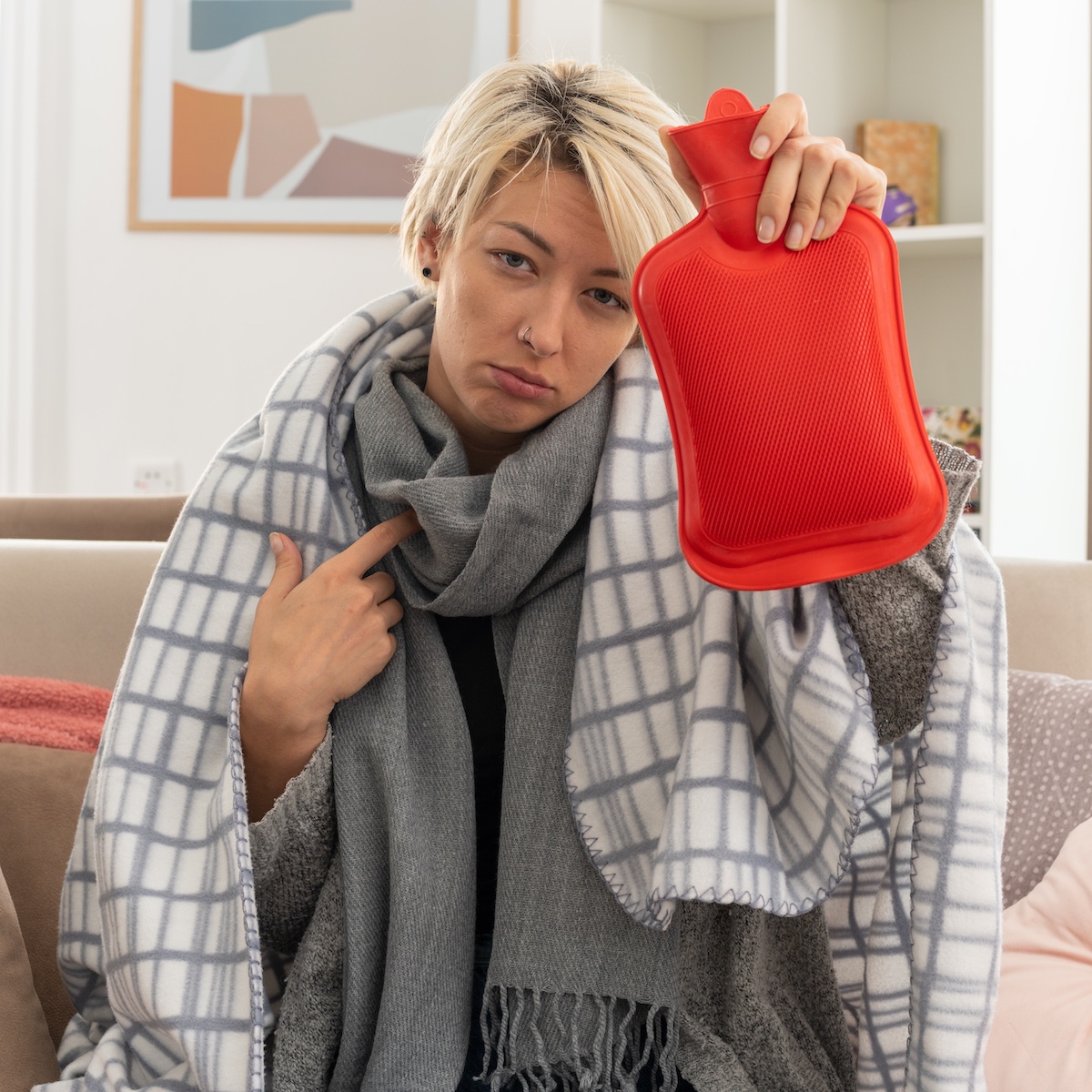
A standard hot water bottle with a 2-litre capacity remains one of the most versatile options, especially for people seeking long-lasting warmth during the colder months.
The larger water volume allows it to retain heat for several hours, making it a practical choice for warming beds, easing general discomfort, or staying comfortable on cold evenings.
Slipping a full-size bottle under the duvet ten minutes before getting into bed is a simple but effective way to pre-warm a cold mattress without relying on electric heating.
A well-made bottle paired with a thick fleece cover also helps maintain a steadier temperature during use.
Brands like CosyPanda focus on reusable hot water bottles and soft covers designed to improve heat retention while making them more comfortable to handle.
This type of bottle is generally best suited for pre-warming beds on cold nights, staying warm while relaxing on a sofa, or for anyone who prefers longer heat retention from a single fill.
2. Long and Narrow: Built for Muscle Tension
Cervical or elongated hot water bottles are shaped specifically to wrap around the neck and shoulders, two of the areas where most people carry the most tension.
The extended shape allows the heat to cover a wider surface area along the trapezius muscles and upper spine, which a round bottle pressed into one spot simply can’t replicate.
Research published in the journal Spine found that heat application to the lumbar and cervical spine regions significantly reduced pain intensity and improved flexibility in people with chronic muscle tension.
A long-format bottle is far better positioned to deliver that kind of consistent, distributed warmth than a standard round design.
Best suited for:
- Neck and shoulder tension, especially after desk work or driving
- Lower back stiffness along the spine rather than a single point
- People who want to apply heat hands-free while sitting or lying down
3. Mini or Compact: Precise and Portable
Smaller bottles in the 0.5-0.8 litre range serve a different purpose entirely. They’re not trying to heat a large area; they’re designed for targeted application to a specific spot.
A tight calf muscle, a painful knee joint, and a tension headache at the base of the skull. The compact size means you can position it exactly where it needs to be and hold it there comfortably.
They’re also easier to take with you. A mini bottle fits in a bag without taking up much space, making it a practical option for anyone who deals with recurring pain at work or while travelling.
The trade-off is heat retention; a smaller volume of water cools faster, so you’re looking at around 45 minutes to an hour rather than two or three.
Best suited for:
- Localised joint pain in hands, knees, or feet
- Targeted muscle relief where precision matters more than coverage
- Travel or on-the-go use when a full-size bottle isn’t practical
4. Fleece vs Knitted Covers: It’s Not Just Aesthetic
The cover type changes the experience more than people expect. It’s not just about how something looks, it directly affects how the heat is delivered to your body and how long the bottle stays useful.
Thick fleece covers are excellent insulators. They trap heat effectively, which means the bottle maintains a gentle, consistent warmth rather than starting very hot and dropping off quickly.
This is ideal for overnight use or long sessions on the sofa, where you want a steady background warmth rather than an intense hit of heat.
Knitted or woven covers are less insulating but allow more direct heat transfer to the skin.
If you’re using a bottle specifically for muscle tension or pain relief, where you want the heat to penetrate quickly, a thinner cover may actually serve you better.
The bottle cools faster, but the initial warmth reaches the tissue more directly.
Some people keep both types, one for bed, one for targeted pain relief, which is a reasonable approach if you use a hot water bottle regularly for different purposes.
5. Rubber vs Thermoplastic: What the Bottle Is Made Of
Beyond shape and cover, the bottle's material is worth understanding. Natural rubber and thermoplastic rubber (TPR) are the two main options, and they behave slightly differently in use.
Natural rubber is flexible and durable, with good heat retention. It has a noticeable smell when new that usually fades after a few uses. For people with latex sensitivities, this is one to avoid.
Thermoplastic rubber is latex-free, typically odourless, and tends to be more consistent in wall thickness, which matters for safety.
It’s increasingly the preferred choice for modern hot water bottles, particularly those marketed for therapeutic use, because of its predictable performance and allergy-friendly properties.
A quick checklist when comparing materials:
• Does the product list a safety certification such as BS 1970:2012?
• Is the material latex-free if that’s relevant for your household?
• Does the bottle have ribbed construction, which adds structural strength and reduces burst risk?
Conclusion
The honest answer to which type is “best” is that it depends entirely on what you need it for.
A full-size bottle with a thick fleece cover wins for cold nights and general comfort.
- Parents Are Prioritising Breathable, Sustainable Fabrics For Children's Seasonal Sleepwear
- Our Homemade Christmas Printables, Made With AI: What Worked, What Didn't, and What I'm Saving for Next Year
- At-Home vs. In-Lounge IV Therapy in the Hudson Valley: Which Makes More Sense?
- Can Passengers Pursue Compensation After a Car Accident?









Leave a Reply