

Self-care and skin health are more connected than most people realise. The condition of your skin reflects not just the products you use, but how you sleep, what you eat, how you manage stress and the daily habits you either build or neglect.
Good skin is rarely the result of one great serum. It's the outcome of consistent choices made across multiple areas of life.
This article walks through the most impactful things you can add to your self-care routine, starting with the fundamentals and building toward more advanced skincare practices that genuinely make a difference.
Jump to:
Protect Yourself from the Sun
Sun exposure is the single largest external contributor to premature skin ageing.
UV radiation breaks down collagen and elastin, causes uneven pigmentation and creates structural damage that builds quietly over time. By the time visible signs appear, the process has already been underway for years.
SPF is the foundation of any serious skincare routine, not an optional finishing step. Broad-spectrum sunscreen applied every morning protects against both UVA rays, which age skin, and UVB rays, which burn it. Cloudy days and time spent indoors near windows don't eliminate the need for it.
A few practical habits make a real difference:
- Apply SPF as the last step of your morning routine, every day.
- Reapply every two hours when spending any time outdoors.
- Choose a formula you enjoy wearing so you actually use it consistently.
No other skincare product delivers as much long-term return as daily sun protection.
Avoid Smoking and Harmful Habits
Smoking is one of the most reliably damaging things you can do to your skin.
It accelerates collagen breakdown, reduces blood flow to the skin's surface, and contributes to dullness and uneven skin tone that skincare products struggle to counteract.
The repetitive facial movements involved also contribute to fine lines around the mouth over time.
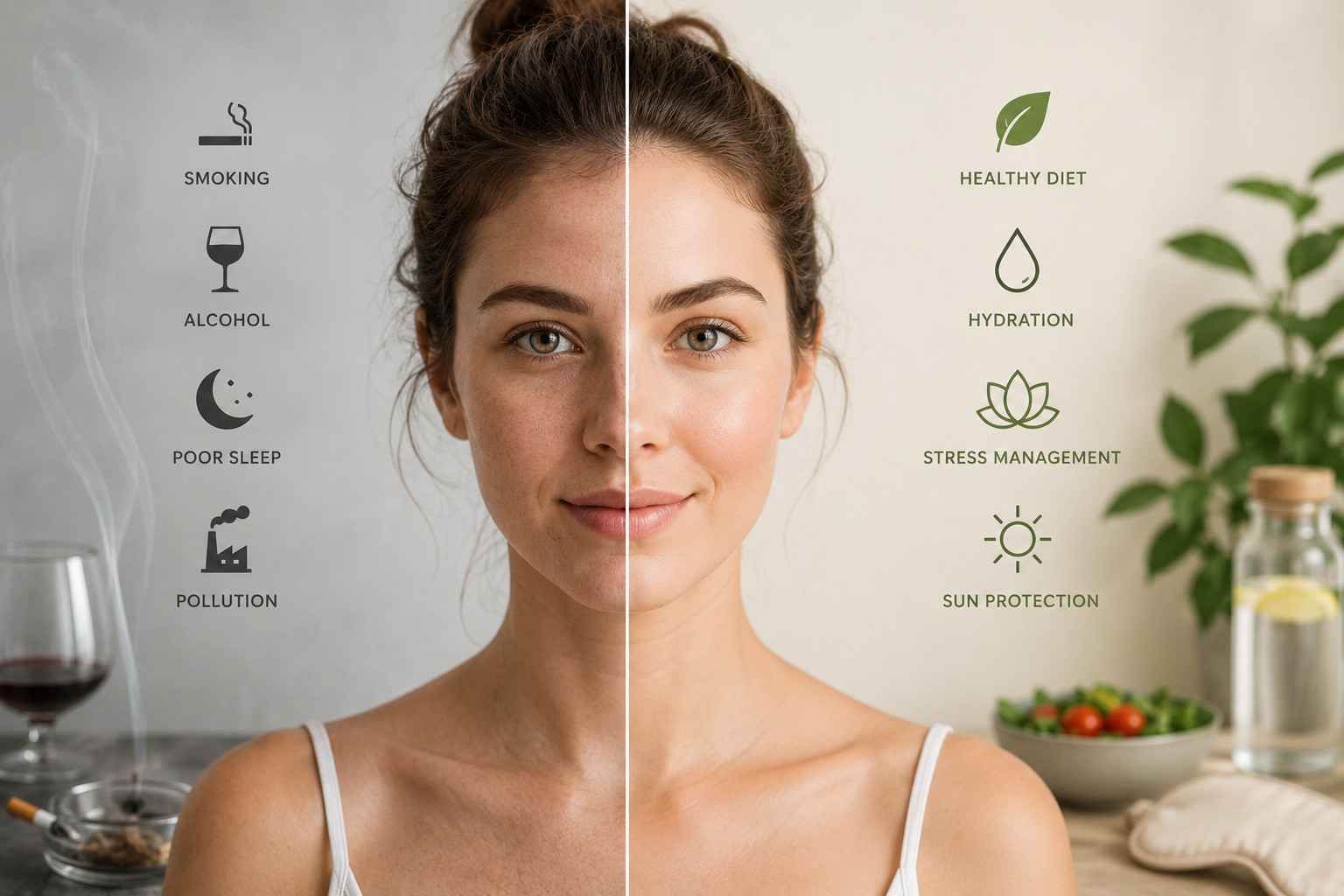
The broader category of harmful habits extends further than smoking alone. Chronic alcohol consumption dehydrates skin and depletes key nutrients.
Irregular sleep disrupts the skin's overnight repair cycle, during which cell renewal peaks.
Prolonged exposure to polluted environments induces oxidative stress, which weakens the skin barrier.
What these habits share is their cumulative nature. No single instance does catastrophic damage, but repeated over months and years, the effects compound.
Removing or reducing these habits gives skin the consistent, stable environment it needs to maintain itself.
Small, daily lifestyle improvements often show up in the skin before they show up anywhere else.
Treat Your Skin Gently
Aggressive skincare is one of the most common causes of skin problems, particularly among people who are otherwise conscientious about their routines.
Over-exfoliation, too many actives used simultaneously and harsh cleansers all compromise the skin barrier, the protective layer responsible for keeping moisture in and irritants out.
When the barrier is disrupted, skin becomes reactive, slower to heal and more sensitive to ingredients it would otherwise tolerate. The irony is that more products often mean worse skin, not better.
A gentle approach looks like this:
- Cleanse with a mild, non-stripping formula morning and night.
- Introduce active ingredients one at a time, allowing skin to adjust.
- Prioritise consistency over intensity; a simple routine used daily beats a complex one used erratically.
- Give skin recovery time after any procedure or period of irritation.
The skin barrier responds well to stability. Treating your skin gently isn't a passive choice. It's a deliberate strategy for building long-term resilience.
Eat a Healthy Diet
Skin is built from the inside out, and your diet will directly influence its structure, clarity and ability to repair itself. Nutritional deficiencies show up on the skin before they register elsewhere.
A few categories of food have particularly well-documented benefits:
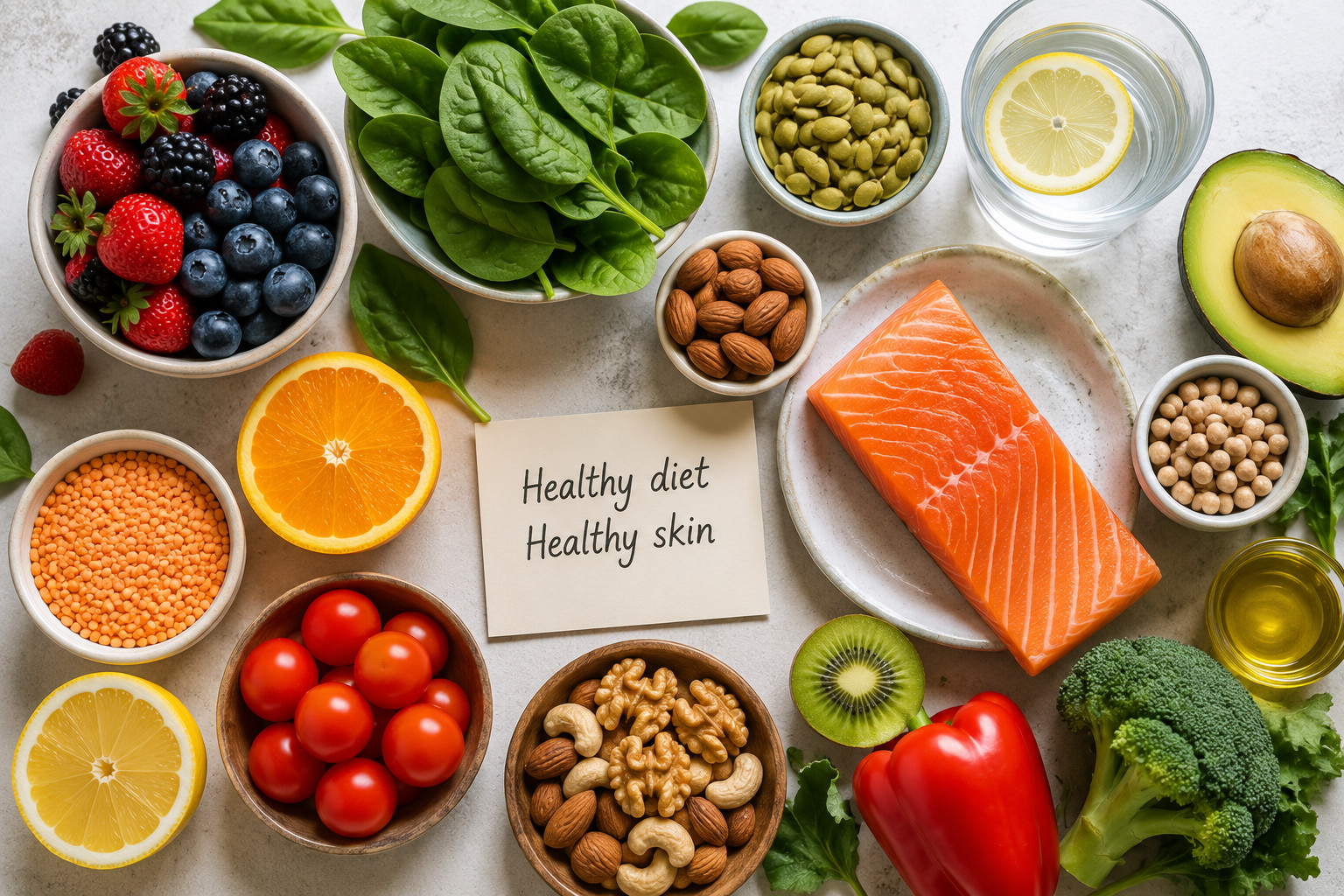
- Antioxidant-rich foods like berries, leafy greens and tomatoes help neutralise oxidative stress that accelerates skin ageing.
- Healthy fats from sources like salmon, avocado and olive oil support the lipid barrier and maintain skin suppleness.
- Vitamin C found in citrus, bell peppers and kiwi is essential for collagen synthesis.
- Zinc in foods like pumpkin seeds and legumes supports wound healing and helps regulate oil production.
- Water remains the most straightforward tool for maintaining cellular-level skin hydration.
No single food transforms skin overnight. The benefit comes from consistent dietary patterns over time, giving skin a steady supply of the building blocks it needs.
Manage Stress
Stress shows up on your skin whether you notice it or not. Elevated cortisol increases oil production, fuels inflammation and makes the barrier more vulnerable to irritants.
For people prone to acne, eczema or rosacea, stress is a reliable trigger. For everyone else, it simply slows down the skin's ability to repair and regenerate.
Managing stress is therefore not separate from skincare; it's part of it. Some common practices include:
- Regular physical movement, which reduces cortisol and improves circulation.
- Consistent sleep, which gives skin its most productive repair window.
- Time away from screens and stimulation, which allows the nervous system to regulate.
- Mindfulness or breathing practices, which lower the physiological stress response.
None of these require a dramatic lifestyle change. Small, regular investments in stress reduction accumulate into a calmer internal environment, and skin reflects that.
Add Advanced Self-Care: Microneedling & Serums
Once the fundamentals are in place, there's genuine value in exploring more advanced skincare tools.
Microneedling is one of the most effective options available, both in professional settings and at home with a quality microneedling pen.
The procedure works by creating controlled micro-channels in the skin's surface, triggering the body's natural healing response and stimulating collagen production.
The result, with consistency, is improved skin texture, reduced scarring and firmer, more even-toned skin.
What happens immediately after microneedling is equally important. The micro-channels created during the procedure significantly increase the skin's absorption capacity, making it the ideal moment to apply targeted serums.
Microneedling serums are formulated specifically for this purpose, with ingredients chosen for their regenerative and soothing properties:
- Hyaluronic acid to flood skin with deep hydration,
- Peptides to support collagen synthesis and skin repair,
- Growth factors to accelerate cellular regeneration.
Using the right microneedling serums after treatment enhances and extends the results of the procedure itself, turning a single session into a more complete regenerative experience.
Support Your Skin From the Inside Out With These Self-Care Tips
Better skin is the outcome of a well-rounded self-care routine, not a single product or treatment.




Sun protection builds the foundation. Avoiding harmful habits removes what works against you. Gentle skincare respects the barrier.
Good nutrition and stress management support skin from the inside. And advanced tools like a Dr. Pen microneedling pen, paired with targeted microneedling serums, offer a meaningful step up for those ready to go further.
Each element of this list reinforces the others. When approached as a whole, they create the conditions for skin to genuinely thrive!




Leave a Reply