

Stepping into adulthood does not mean leaving learning behind. In fact, pursuing new interests or mastering unfamiliar tasks later in life brings substantial rewards.
Research shows that adults who actively challenge themselves with fresh learning experiences enjoy a range of benefits, from mental sharpness to improved memory and attention span.
Exploring opportunities like developing new skills later in life not only reignites curiosity but also lays the groundwork for a healthier, more engaged brain.
Consistent engagement in learning activities helps stave off cognitive decline. Older learners who dedicate time to acquiring new abilities can maintain mental agility well into their later years.
The stimulation provided by learning activates new neural pathways, keeping the mind active and resilient.
Diversifying the types of skills you pursue, whether artistic, technological, or physical, can further enhance cognitive resilience.
Taking on new challenges promotes problem-solving skills and creative thinking, both essential for navigating an ever-evolving world.
Cognitive improvements are only part of the story. The act of learning often fuels a renewed sense of purpose, elevating self-esteem and overall happiness.
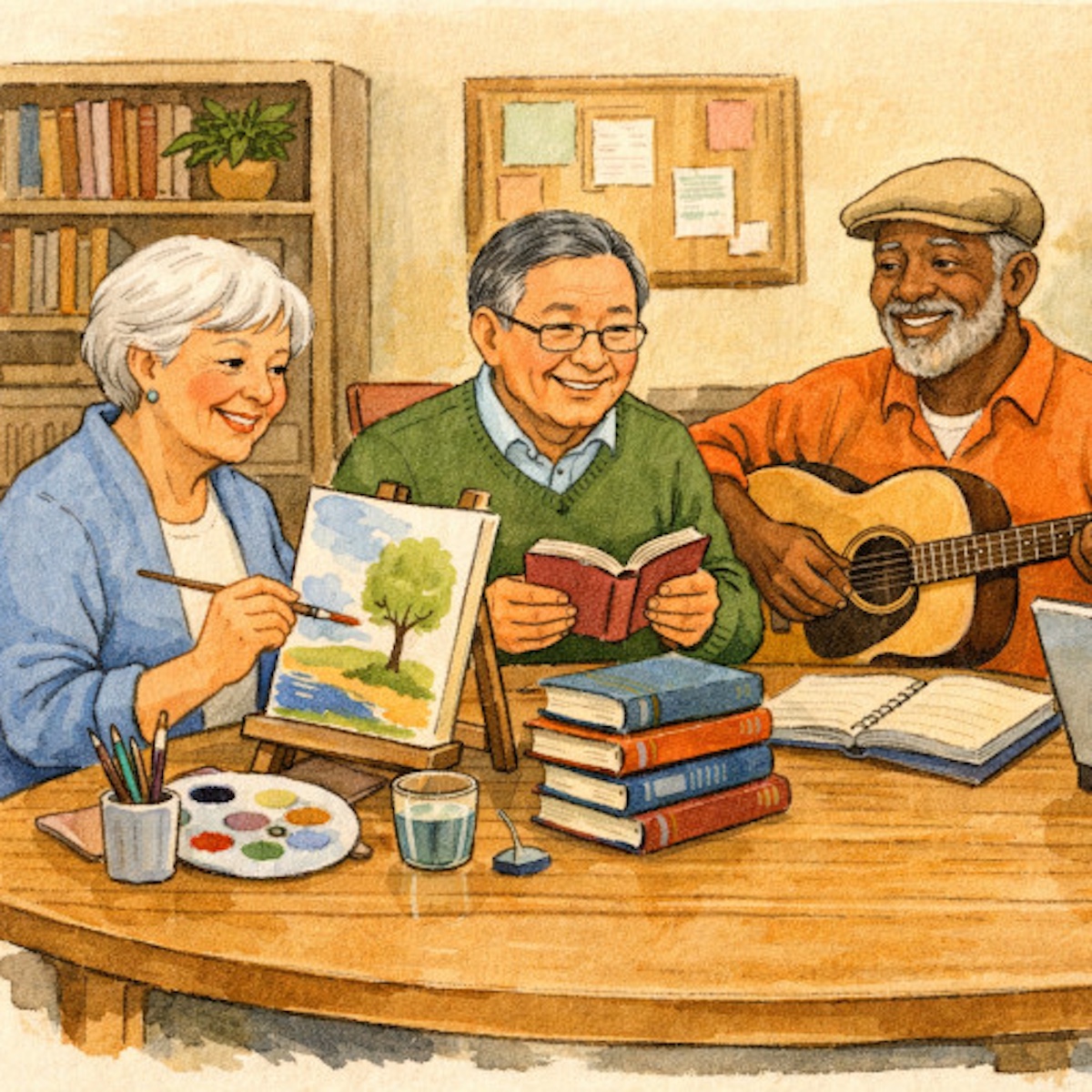
For many adults, this journey is about more than skill-building; it is an opportunity to connect with others who share similar passions.
Jump to:
Emotional and Social Rewards
Learning new skills also produces valuable emotional and social outcomes. Activities like painting, music lessons, or joining group fitness classes give individuals a chance to express themselves, release stress, and experience joy.
Recent research highlights that “leisure crafting”, intentional participation in creative or hands-on hobbies, boosts emotional satisfaction, especially among adults over 60.
As individuals set and achieve personal goals, they foster greater fulfillment and strengthen social bonds by participating in community events or collaborative projects.
Social connections established through group learning create a support network that is particularly meaningful as people age. Shared experiences reduce feelings of isolation and enhance overall well-being.
Whether in-person or virtual, these interactions allow for diverse perspectives, collaboration, and a sense of belonging, leading to long-lasting friendships and improved mental health.
More insights on the importance of community support in lifelong learning can be found in this article from MPR News.
Overcoming Challenges in Adult Learning
Although the rewards are great, adults may encounter specific obstacles on their learning journey.
Common challenges include time management issues, physical limitations, discomfort with digital learning tools, or fear of making mistakes. Recognizing and addressing these challenges is an important part of the process.
Taking a strategic approach can make learning more accessible and enjoyable. Start with a positive mindset and choose subjects that genuinely interest you.
When you select pursuits that align with your values and strengths, you are more likely to persevere through difficulties.
Breaking down larger goals into manageable milestones supports sustained motivation and boosts confidence.
Remember, the process of learning, not just the outcome, holds significant value for personal growth.
Practical Steps to Begin Your Learning Journey
- Identify Your Interests: Consider lifelong passions, forgotten hobbies, or new fields you have always wanted to explore. Journaling or discussing ideas with friends may spark inspiration.
- Set Realistic Goals: Define specific and measurable objectives, such as completing a beginner language course or mastering a single song on the piano. Small victories will build momentum.
- Seek Support: Connect with others by joining clubs, workshops, or online communities. These networks offer encouragement, advice, and opportunities to celebrate achievements.
- Embrace Technology: Take advantage of online courses, tutorials, and learning platforms that fit your schedule. Virtual resources make it easy to access information and track progress at your own pace.
Real-Life Success Stories
Hundreds of adults have overcome barriers and transformed their lives by embracing new learning experiences.
Consider the example of a 60-year-old professional with decades of experience who realized the importance of staying relevant in the workforce.
By enrolling in an artificial intelligence training program, he adapted to changing job requirements and became an in-demand applicant.
His journey underscores how adaptability and persistence open doors, regardless of age.
Others have ventured into new domains simply for the joy of personal accomplishment.
Retirees have learned to play musical instruments, write books, or start blogs, often using their freshly acquired expertise to inspire others within their communities.
The Role of Community and Support Systems
Community programs serve as crucial catalysts for adult learning. Initiatives such as NextWork create welcoming environments where older adults can acquire vital life and professional skills.
Offerings often include workshops on household management, budgeting, job readiness, and digital literacy, all accompanied by mentorship and peer support.
Through these programs, learners gain both knowledge and the encouragement needed to persevere.
By participating in community-based learning, adults receive both the guidance and camaraderie that help transform ambition into meaningful achievement.
These support systems promote accountability, resilience, and shared celebration of progress.
Conclusion
The journey of learning does not end with age. In fact, adults who commit to acquiring new skills later in life unlock a wealth of cognitive, emotional, and social rewards.
- Parents Are Prioritising Breathable, Sustainable Fabrics For Children's Seasonal Sleepwear
- Our Homemade Christmas Printables, Made With AI: What Worked, What Didn't, and What I'm Saving for Next Year
- At-Home vs. In-Lounge IV Therapy in the Hudson Valley: Which Makes More Sense?
- Can Passengers Pursue Compensation After a Car Accident?




By identifying passions, setting attainable goals, drawing on supportive communities, and embracing technology, anyone can open the door to lifelong growth and fulfillment.
The advantages are far-reaching, empowering individuals to stay engaged, resilient, and connected throughout every stage of life.





Leave a Reply