

It is not always obvious what a child will be drawn to. Some kids know their interests early, while others need more time and room to explore. Interests come and go, and what holds their attention one month might not matter the next.
That’s part of growing up. Still, there’s something to be said for giving children the space to explore without needing to decide too quickly. When they’re allowed to try different things in a setting that feels open and supportive, something begins to take shape over time.
Specialty camp programs can give children that kind of space. They don’t force a direction, though they do give kids the chance to experience things in a more hands-on, meaningful way.
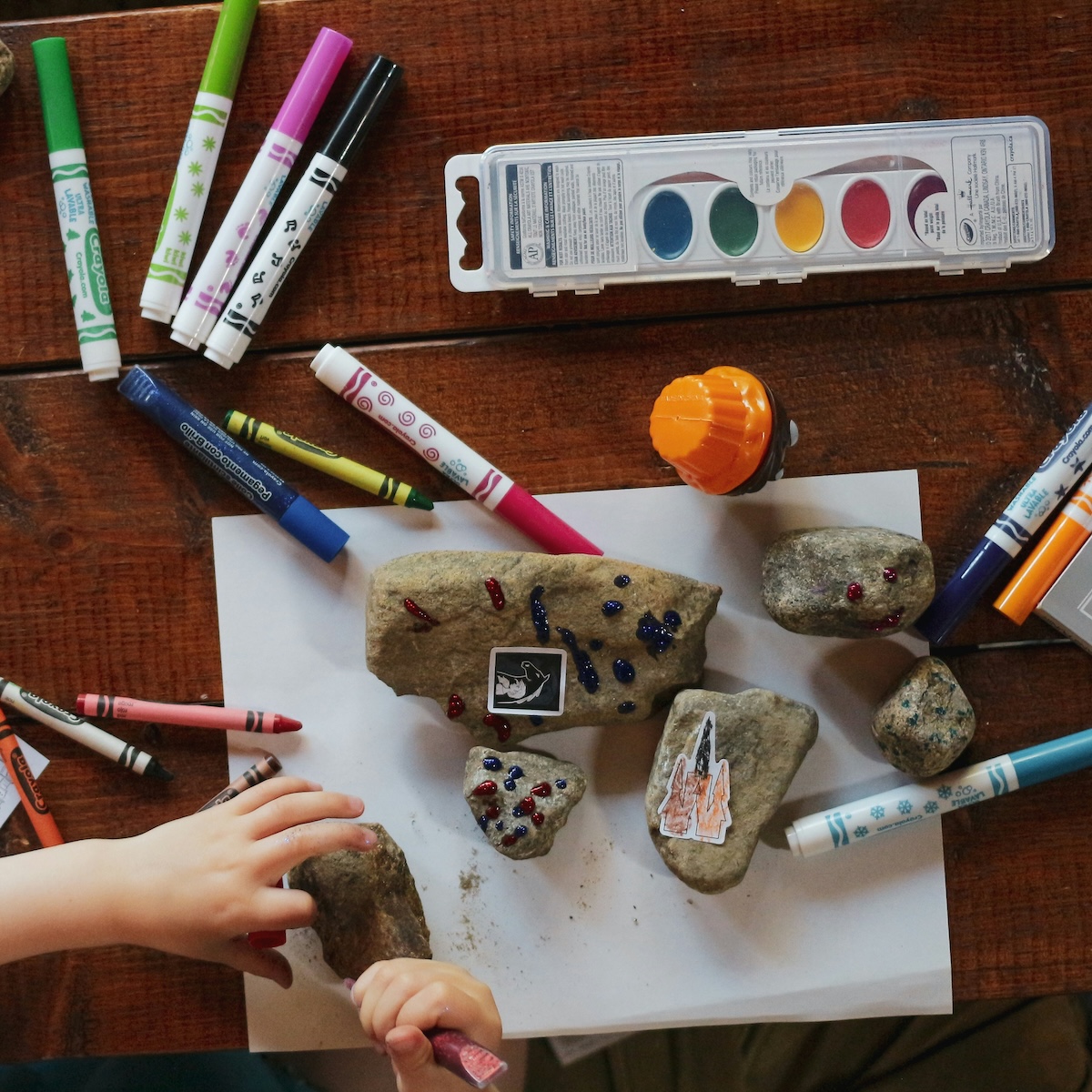
Trying a Variety of Activities Opens the Door to Discovery
Children rarely discover what they enjoy by sticking to one thing. It usually happens through a mix of experiences, some expected, others surprising. One activity can lead to another, and over time a child may start choosing one area more often than the rest.
At first, it may not look like much. A child might show a small preference, or spend a bit more time on one activity than another. These moments are easy to overlook, though they tend to build over time. Exposure is what makes that possible.
Specialty camps make this kind of exploration easier. Kids might try performance, cooking, outdoor challenges, creative projects, or team-based activities, with each one offering a new way to engage. There’s no need to commit right away, which takes away a lot of pressure and makes it easier to stay curious.
That openness is what allows discovery to happen more naturally. Instead of trying to find the “right” interest, children start to notice what feels right for them.
Hands-On Learning Makes Interests Feel Real
There’s a difference between learning about something and actually doing it. Reading or watching can create interest, though it doesn’t always hold it for long. Hands-on experience tends to change that. It brings the activity closer, makes it feel more real in a way that’s hard to replicate from a distance.
When children are involved directly, they begin to understand what the activity actually requires. They see the process, not just the outcome, whether that means practicing a skill, adjusting after a mistake, or trying again until something clicks. They notice where things get difficult, where they need to adjust, and where they start to improve. That kind of connection often stays with them longer.
At camp, this kind of learning happens throughout the day. Kids aren’t just observing. They’re participating, adjusting, figuring things out as they go. Some moments click right away, others take time. That uneven progress is part of what makes the experience feel meaningful.
Over time, that kind of involvement helps an interest take hold. It becomes something they recognize, not just something they’ve heard about. And once that familiarity is there, it’s easier for them to return to it on their own.
Exposure to Real-World Experiences Helps Interests Take Shape
Interests tend to develop more clearly when children experience something in a setting that feels closer to the real world. It’s one thing to try an activity briefly, though it’s another to spend time with it in a way that feels more complete. A quick introduction can spark curiosity, though it rarely shows what the experience is really like.
That kind of exposure gives them a better sense of what they enjoy and what they don’t. It also helps them understand what it feels like to stay with something beyond the first attempt. There’s a difference between liking something for a moment and choosing to come back to it again. That’s often where interest starts to grow.
Specialty camps such as Pali Adventures help children explore their interests through real-world, hands-on experiences. Their adventure camp programs in California give campers the chance to choose a specialty, spend time with it, and build familiarity beyond a one-time introduction.
That repeated experience often leads to clarity, not always right away, but gradually. A child may start leaning toward one area without needing to explain it, simply because it feels right to keep going back to it.
Supportive Guidance Helps Kids Develop Their Strengths
Exploration matters, but kids often benefit from steady guidance along the way. Having someone nearby who understands how to encourage without pushing can make a difference in how an interest develops.
At camp, that support often comes from instructors or mentors who know how to read a child’s pace. They don’t rush the process. Instead, they offer direction when it’s needed and step back when it isn’t.
This kind of support helps children feel comfortable staying with something a little longer. If they struggle, they’re guided through it. If they improve, it’s noticed. That balance allows them to keep going without feeling overwhelmed.
Over time, those small moments of guidance help shape their strengths. Not in a dramatic way, though in steady, quiet progress that builds naturally.
Freedom to Explore Without Pressure Encourages Growth
Pressure can sometimes push a child toward an activity, though it rarely helps them stay with it. When there’s too much expectation attached, the experience starts to feel less like exploration and more like obligation.
Specialty camps tend to create a different kind of environment. Children are given room to explore without needing to prove anything. They can try something, step away, return to it later, or move on if it doesn’t feel right.
This kind of freedom makes a difference. It allows them to approach activities with curiosity rather than hesitation. They’re more willing to engage because the outcome isn’t being measured.
That space is often where real growth happens, not all at once and not always in a way that is easy to see. Over time, it shapes how children approach learning, trying, and discovering what matters to them.
Where Interests Begin to Feel Like Something More
Finding a passion doesn’t usually happen in a single moment. It builds slowly, through experience, repetition, and a sense of connection that deepens over time. Children don’t always recognize it while it’s happening.
What matters is having the opportunity to explore in a way that feels genuine. When kids are given that kind of space, they begin to move toward what feels right for them, often without needing to be directed there. The right camp environment can help a passing curiosity become something a child wants to keep exploring.





Leave a Reply