

Choosing the right lawn sweeper width for a riding mower is one of those decisions that looks simple on the surface but carries real consequences for yard work efficiency. Too narrow, and a homeowner spends twice as long covering the same ground. Too wide, and the sweeper catches on tight corners, strains the mower's hitch, or leaves debris in spots it simply cannot reach. The width of a lawn sweeper directly affects how well it performs, how long it lasts, and how frustrating each session turns out to be. Getting this choice right from the start saves both time and money.
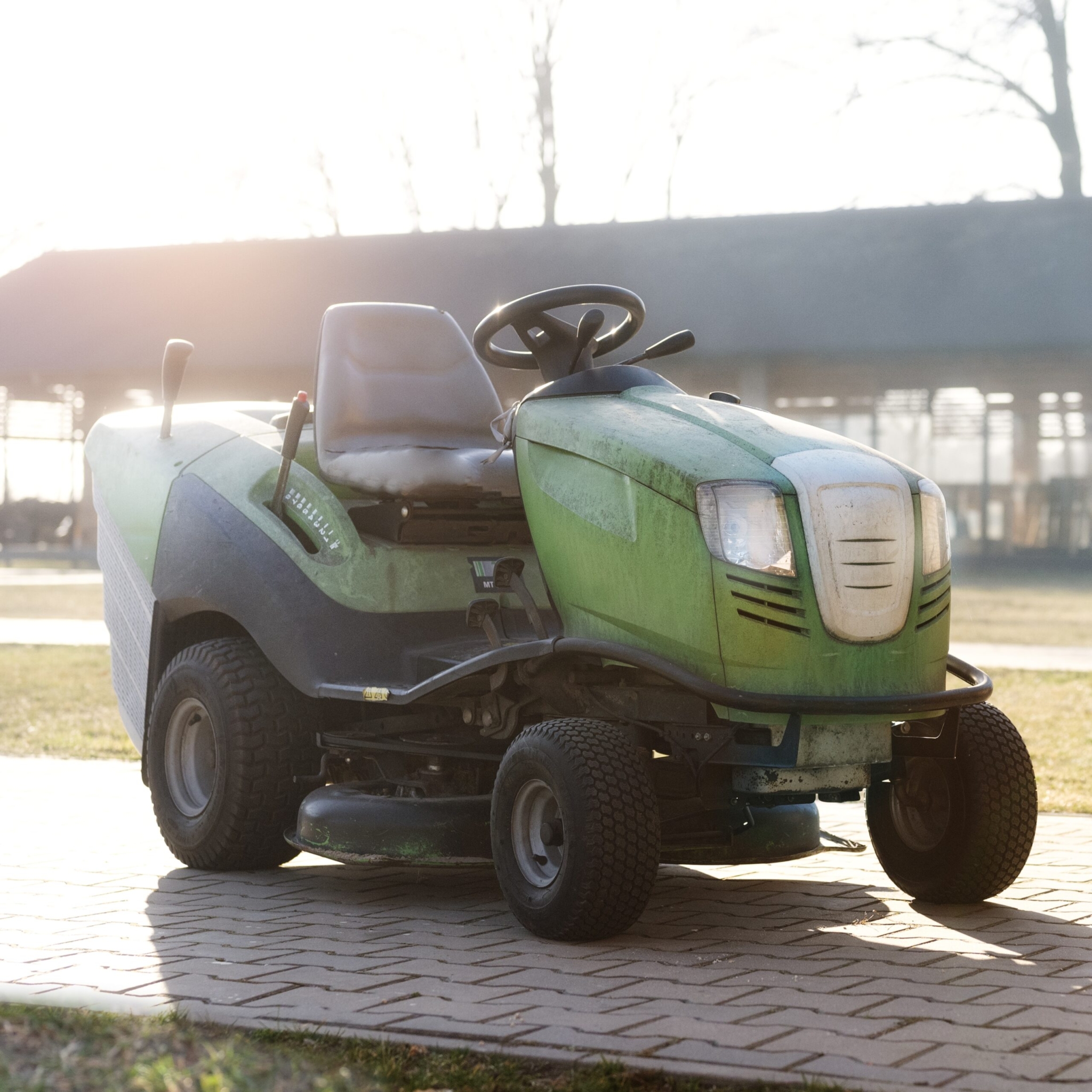
Why Sweeper Width Matters More Than You Think
Most people focus on hopper capacity or brush quality before they ever think about sweeper width. That is a mistake. Width is the single most influential dimension in how a lawn sweeper performs behind a riding mower.
A sweeper that is too narrow creates overlap problems. The operator makes more passes, burns more fuel, and puts extra hours on the mower. A sweeper that is too wide creates clearance issues in tight spaces, puts lateral stress on the tow hitch, and can leave unswept strips along fences or flower beds because the outer edges drag ineffectively.
Garden lawn sweepers are available in a broad range of widths, typically from around 38 inches to 60 inches or more. Each size serves a different setup. The right width depends on the mower, the yard, and how the two interact. Before selecting any model, it pays to understand why width sits at the center of every other consideration.
A properly matched sweeper also reduces wear on the mower itself. Lateral drag from an oversized sweeper pulls unevenly on the hitch and transmission, especially on slopes. A well-matched unit tracks cleanly and distributes the load correctly, which means fewer mechanical issues over time.
Start With Your Riding Mower's Deck Width
The mower deck width is the most logical starting point for any sweeper selection. It sets the baseline for how wide a sweeper can reasonably be without creating operational problems.
Matching Sweeper Width to Mower Deck Size
The general rule is straightforward: the lawn sweeper should be equal to or slightly wider than the mower deck, but not dramatically wider. A sweeper that matches the deck width covers the same swath the mower already cut, which means no guesswork about alignment and no missed strips of debris.
For a riding mower with a 42-inch deck, a sweeper in the 44-to-48-inch range works well. For a 50-inch deck, a 50-to-54-inch sweeper is a sensible match. Going more than 10 to 12 inches wider than the deck starts to introduce problems, particularly on mowers with standard consumer-grade hitches that were not built to handle the torque from a significantly wider load.
It also helps to check the mower's owner manual for any listed attachment width limits. Some manufacturers specify the maximum tow width that the rear hitch and drivetrain can support without risking damage. That figure should act as a hard upper limit, not a suggestion.
Factor In Your Yard's Layout and Obstacles
Deck width is a starting point, but the yard itself has an equal say in the final decision. A large, open half-acre lot with no obstacles can accommodate a wider sweeper than a yard full of trees, raised beds, and narrow gate openings.
Narrow gates are one of the most common issues homeowners overlook. A sweeper that is 54 inches wide will not fit through a standard 48-inch gate. If the lawn has multiple sections separated by gates or fences, the sweeper width must stay within those clearance limits. Measuring gate widths before purchasing a sweeper prevents an expensive and frustrating return.
Trees, garden borders, and irregular lawn shapes all reduce effective width. On a lawn with dense tree coverage, a narrower sweeper gives the operator more control around root zones and low-hanging branches. A wider sweeper might cover more ground in the open areas, but it becomes a liability the moment it approaches a tight corner or a decorative border.
For yards with a mix of open sections and tight areas, many operators settle on a mid-range width that handles both situations acceptably rather than optimizing for one at the expense of the other. That compromise approach usually works better in practice than buying the widest option available.
Tow Hitch Capacity and Mower Compatibility
Width and weight go together. A wider sweeper has a larger frame, a bigger hopper, and more surface area for collecting debris. All of that adds up to a heavier load on the mower's tow hitch. Before settling on a width, it is worth checking whether the mower's hitch can actually handle the fully loaded weight of the sweeper in question.
Most residential riding mowers have a tow capacity somewhere between 250 and 500 pounds. A wider sweeper with a large hopper, full of wet leaves or thick clippings, can come close to or exceed that range. Exceeding the rated tow capacity does not just risk the hitch, it puts stress on the rear axle, the transmission, and even the tires.
Compatibility also extends to hitch type. Some lawn sweepers use a standard 2-pin hitch attachment, while others connect with a ball hitch or a drawbar setup. The mower needs to have the correct receiver type, or an adapter must be factored into the purchase. A wider sweeper attached to an incompatible hitch sits unevenly, which creates uneven brush contact and leaves strips of debris behind.
Checking compatibility before purchase is far easier than returning a 50-inch sweeper because the mower's hitch uses a different connection style.
Common Width Ranges and What They're Best For
Lawn sweepers generally fall into three practical width categories, each suited to a different type of property and mower setup.
- 38 to 44 inches: This range suits smaller riding mowers with deck widths under 42 inches, or properties with significant obstacles and limited clearance. A sweeper in this range is easier to maneuver, lighter on the hitch, and fits through most residential gates without issue. But, it requires more passes to cover larger areas, which makes it less efficient on big lots.
- 44 to 50 inches: This is the most common range for standard residential riding mowers. It covers most 42-to-48-inch decks well, clears average residential gates with careful positioning, and keeps weight within the tow limits of most consumer mowers. For the majority of homeowners with a typical suburban yard, this range represents the best balance between coverage and practicality.
- 50 to 60 inches and beyond: This range is best suited to large properties, acreage mowing setups, or commercial-grade riding mowers with higher tow ratings. A sweeper in this category covers ground quickly but demands open space, wide gate access, and a mower built to handle the extra load. On smaller residential lots, the size becomes a drawback rather than an advantage.
Knowing which category fits the mower and the property makes the final selection straightforward.
Conclusion
Selecting the right lawn sweeper width for a riding mower comes down to three things: the mower's deck size, the yard's physical layout, and the hitch's capacity. Each factor narrows the options in a logical way. A homeowner who works through those three considerations in order will land on a width that performs well, fits the property, and stays within the mower's mechanical limits. There is no universal answer, but there is a right answer for every specific setup.





Leave a Reply