

Creating a garden that truly works for family living goes beyond keeping the lawn trimmed or adding a few decorative features. It’s about designing a space that supports everyday use, whether that means playtime, relaxation, gatherings, or simply enjoying time outdoors without constant upkeep. A well-balanced garden combines durability, comfort, and practicality, allowing it to handle regular activity while still looking inviting.
Modern outdoor spaces are increasingly designed with flexibility in mind. Families need areas that can adapt to different uses throughout the day, from quiet mornings to active afternoons and social evenings. By focusing on smart lawn choices, functional layouts, and consistent maintenance, it becomes much easier to create a space that feels both comfortable and manageable. Small improvements, when done thoughtfully, can significantly enhance how the entire garden is used and experienced.
Jump to:
Upgrade Outdoor Surfaces for Durability
Outdoor surfaces play a major role in how a garden is used. Patios, decks, and walkways provide structure and create areas for seating, dining, and movement.
Choosing durable materials and maintaining them properly helps extend their lifespan and keeps the space looking polished.
Over time, these surfaces are exposed to weather, foot traffic, and environmental buildup. Regular cleaning helps prevent long-term damage and keeps them safe to use.
Using professional-grade equipment available through Hotsy South Texas can support more effective cleaning of outdoor areas, especially where standard methods fall short.
Well-maintained surfaces not only improve appearance but also enhance usability. Clean, stable areas encourage more frequent use, making the garden feel like an extension of the home rather than a separate, underused space.
Start With the Right Lawn Foundation
A healthy lawn is the backbone of any family-friendly garden. It creates a safe, usable surface for children, pets, and everyday activities while also shaping the overall appearance of the space.
Choosing the right type of grass is essential, especially in climates that experience heat, humidity, or heavy use.
Warm-season options are often preferred for active outdoor spaces because of their durability. Using solutions likebermuda grass seed can help establish a lawn that handles foot traffic well while maintaining a dense, even surface.
Bermudagrass is widely recognized for its ability to tolerate heat, drought, and repeated use, making it a strong choice for areas that need to stay resilient over time.
This type of lawn also recovers quickly from wear, which is especially useful in family environments where outdoor spaces are used frequently.
While it may require regular mowing due to its fast growth, the payoff is a lawn that stays thick and functional even under pressure.
Starting with the right grass type reduces long-term maintenance challenges and helps prevent common issues like patchiness or thinning.
Create Zones for Different Activities
A well-designed garden feels organized without being restrictive. One of the easiest ways to achieve this is by dividing the space into zones that serve different purposes.
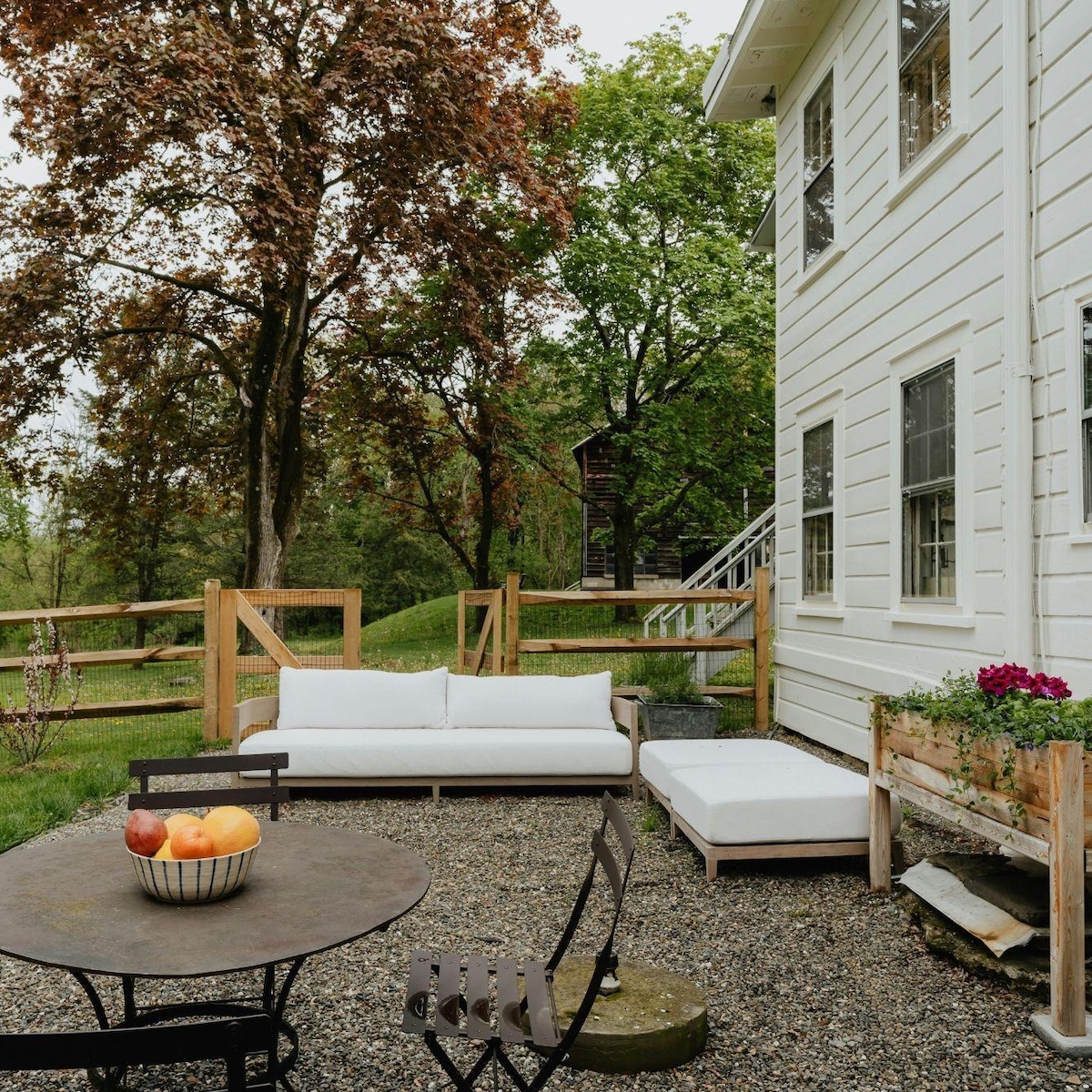
This could include a play area, a seating space, a dining section, or a quiet corner for relaxation.
Zoning helps prevent the space from feeling cluttered while making it more practical for everyday use. For example, keeping active areas separate from relaxation zones allows both to function without interference.
Subtle design elements like pathways, planters, or changes in surface materials can define these areas without creating hard boundaries.
This approach also makes the garden more adaptable. As family needs change, zones can be adjusted or repurposed without requiring a full redesign. A structured layout creates a sense of flow, making the outdoor space feel intentional and easy to navigate.
Keep Maintenance Simple and Consistent
One of the biggest challenges in maintaining a family-friendly garden is keeping it manageable over time.
Complicated setups often lead to inconsistent care, which can quickly affect the appearance and usability of the space. Simplicity is key when designing for long-term maintenance.
Regular tasks such as mowing, watering, and clearing debris should be easy to carry out without requiring significant effort.
Consistency matters more than intensity, small, routine actions are far more effective than occasional large cleanups.
Lawns that are maintained steadily tend to stay healthier and require fewer corrective measures.
In addition to grass care, hard surfaces like patios and walkways should be included in the maintenance routine.
Dirt, algae, and buildup can accumulate gradually, making spaces feel neglected even when the lawn is in good condition.
Keeping all elements clean and well-maintained ensures the entire garden feels cohesive and functional.
Add Comfortable and Functional Features
Comfort is a key factor in how often a garden is used. Simple additions such as seating, shade structures, and outdoor lighting can significantly improve the overall experience.
These elements make it easier for families to spend time outside without needing constant adjustments.
Seating should be placed strategically to encourage both social interaction and quiet relaxation.
Shade is equally important, especially in warmer climates, as it helps regulate temperature and makes the space usable throughout the day.
Lighting extends usability into the evening, creating a welcoming atmosphere without requiring major changes.
Functional features don’t need to be complex. Even small additions, when placed thoughtfully, can transform how the space feels and how often it is used. The goal is to create an environment that naturally invites people to spend time outdoors.
Encourage Natural Growth and Balance
Plants, shrubs, and garden beds add depth and character to outdoor spaces, but they also require thoughtful planning.
Choosing plants that match the local climate and soil conditions reduces maintenance and improves long-term results.
A balanced garden includes a mix of greenery and open space. Too many dense plantings can make the area feel crowded, while too little can make it feel unfinished. The right balance creates visual interest while maintaining functionality.
Regular trimming, mulching, and soil care help keep plants healthy and prevent overgrowth.
When greenery is maintained properly, it enhances the overall look of the garden without becoming difficult to manage.
Make the Space Adaptable Over Time
Family needs change, and outdoor spaces should adapt without constant redesign.
Flexible layouts, movable furniture, and multi-purpose areas make it easier to adjust the space as needed.
A play area today might become a seating area in the future, or a garden bed could be expanded into a larger feature.
Designing with adaptability in mind ensures that the space continues to meet changing needs without losing its structure.
This approach also reduces long-term costs and effort. Instead of rebuilding, homeowners can make gradual adjustments that keep the space functional and relevant.
Focus on Long-Term Enjoyment
Improving a garden for family living is not about achieving a perfect look, it’s about creating a space that works consistently over time.
A well-designed outdoor area should feel easy to maintain, comfortable to use, and flexible enough to support a range of activities.
- Parents Are Prioritising Breathable, Sustainable Fabrics For Children's Seasonal Sleepwear
- Our Homemade Christmas Printables, Made With AI: What Worked, What Didn't, and What I'm Saving for Next Year
- At-Home vs. In-Lounge IV Therapy in the Hudson Valley: Which Makes More Sense?
- Can Passengers Pursue Compensation After a Car Accident?




By focusing on durable lawn options, structured layouts, and consistent upkeep, homeowners can create a garden that remains enjoyable year-round.
Small improvements, when combined thoughtfully, lead to a space that feels natural, practical, and inviting for everyday living.





Leave a Reply