

Art has an incredible ability to transform any space, from home offices to living rooms. The right art print can evoke emotions, create conversations, and even inspire creativity. Selecting the ideal piece of art may not be easy with the vast variety of options available today. This guide aims to simplify the process so that you find a print that resonates with your personal taste and improves your space.
Understanding Your Art Preferences
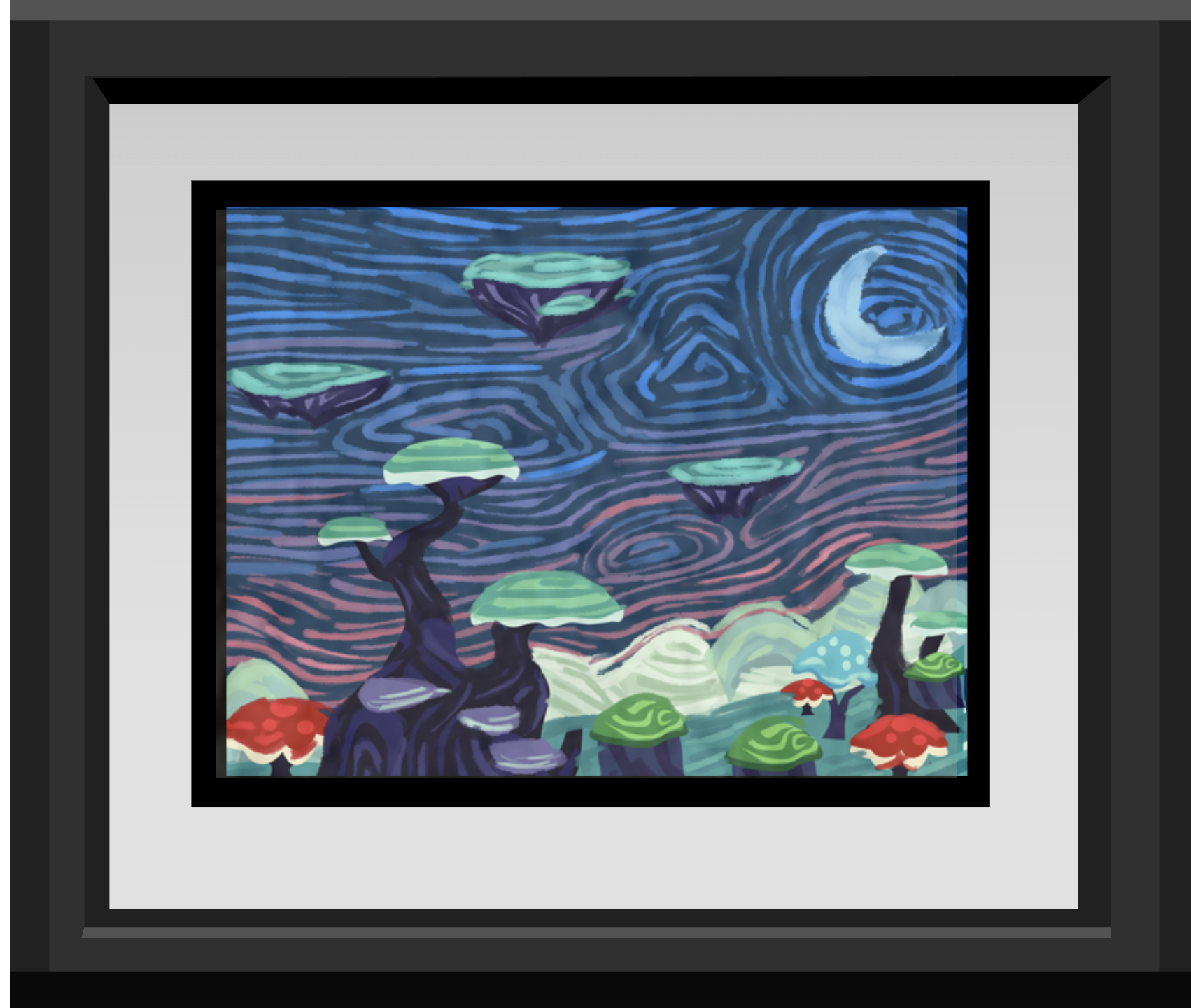
The first step in finding the perfect art print is to gain a clear understanding of your own preferences. See what styles or themes resonate with you. Are you drawn to abstract art, contemporary photography, or perhaps classic landscapes? Establishing these preferences helps narrow your search. If you love vibrant colors, you might favor contemporary expressions over muted pastels typical in traditional artworks. If you are into flowers and nature, something like Printivart natural prints may be the way to go. Art represents personal interests or experiences, so think about the emotions you want your print to convey. Even discussing your choices with family or friends can provide insights into your tastes.
Keep an eye out for artist portfolios or galleries that speak to you, and take notes on specific pieces that catch your attention. This process is all about exploration and being open to new ideas. Do a little research about the artists behind the work to understand their inspirations.
Defining Your Space
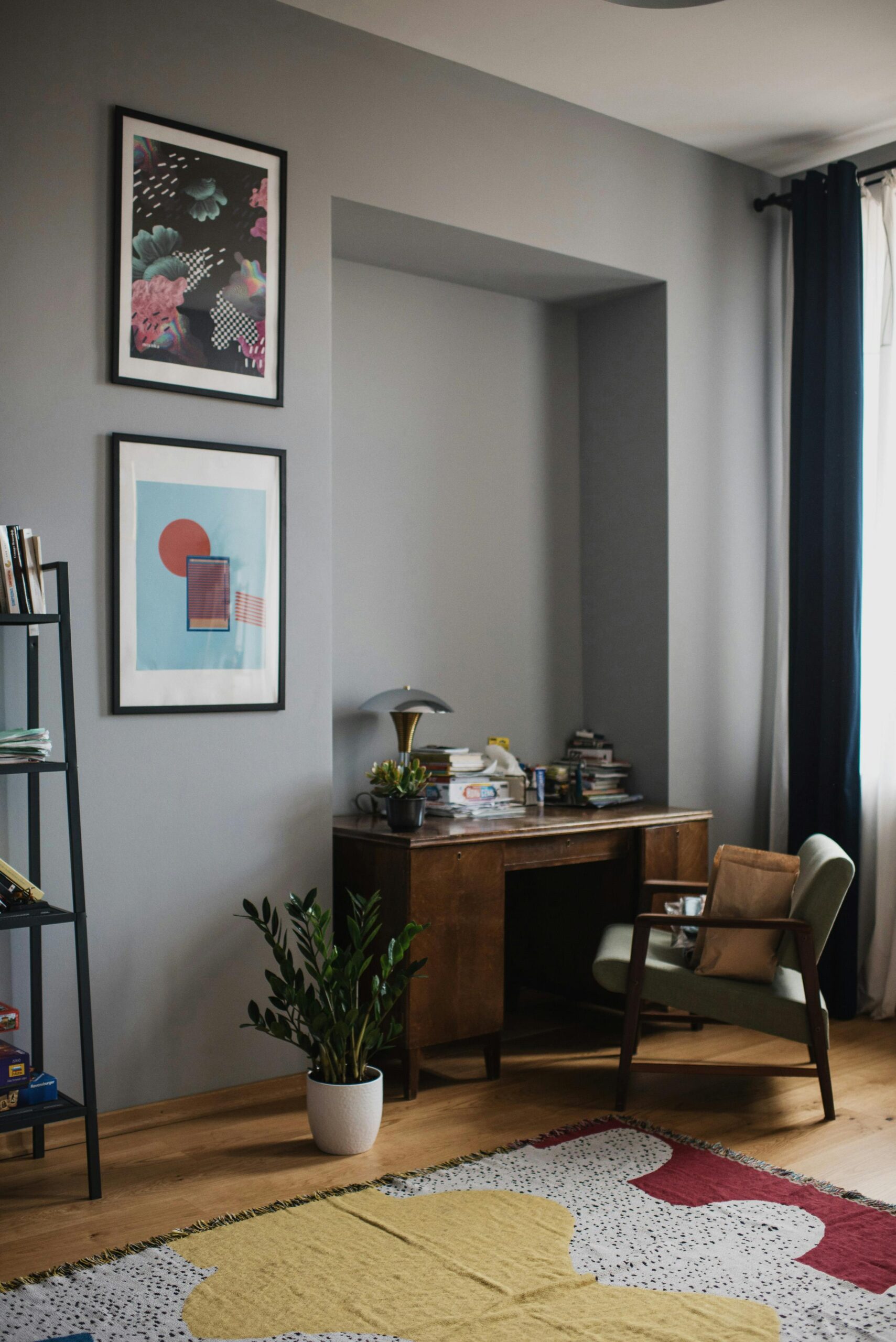
Before making a purchase, analyze the space you want to decorate. Each room has its own ambiance, influencing the choice of art. Calming landscapes might be ideal for a bedroom; bold, dynamic pieces could invigorate a living room or office. Measure the wall space where you plan to hang the print, taking note of the dimensions. Be mindful of existing décor and color schemes: the art print should complement the theme.
A large canvas print may demand a more significant wall presence, whereas smaller prints could work better as part of a gallery wall. Think about how the light in the room affects visibility; some prints may need more illumination to shine, while others could fade. Take good photos of your space in natural light to visualize how various pieces might look once hung.
Researching Art Prints
With the rise of online galleries and e-commerce platforms, you have access to plenty of artists and styles. Pay close attention to the quality of prints offered in your search. Look for information regarding print materials, framing options, and technical specifications. A premium print should use archival-grade materials for higher longevity and vibrancy. Verify whether the seller provides a satisfaction guarantee or return policy.
Dive into reviews and ratings for each platform. Customer feedback can illuminate aspects you might overlook. Explore specific forums or communities dedicated to art collecting, where members share firsthand experiences with various suppliers.
Budgeting for Your Art Piece
Art comes in various price ranges, so set a budget before starting your search. High-quality original works can be expensive, but prints provide a more accessible entry point for art lovers. Be clear about what you can spend and keep an open mind to the possibility of investing in a piece that excites you. Prices can vary depending on the artist’s recognition, the print’s size, and the materials used.
Consider budget allocations across different prints if you wish to create a cohesive gallery wall or multiple focal points in a space. When calculated wisely, mixing high and low-priced pieces can create a stunning visual impact. Investing in art is about passion, and the right piece can bring joy well beyond its cost.
Choosing the Right Frame
Framing can alter a print’s presentation. A suitable frame can improve the artwork, while a poor choice may detract from its aesthetic. Evaluate the style of both the art print and the space it will hang in. Classic styles pair well with ornate frames, whereas contemporary art might benefit from a sleek, minimalistic touch. Use colors that complement or contrast effectively with the artwork to create a striking visual piece, or lean towards neutral colors for a more subtle display.
Look into the type of glass used in your frame. Anti-reflective glass can minimize glare and maximize visibility. The right frame should protect your art and elevate its beauty within your space.
Displaying Your Art
Once you have your art print and frame ready, the fun part is placing it on display. Proper hanging techniques guarantee the artwork is positioned safely. In a mixed gallery arrangement, maintain a consistent distance between the pieces for balance and flow. You might even create a focal point by grouping smaller prints in an interesting layout where they engage the viewer's eye naturally.
Be authentic in your display techniques. Allow your taste to shine through your choices, whether that be through colors, subject matter, or the dialogue between pieces. Experimenting with arrangements on the floor before hanging can provide greater clarity on where things should go. If you have additional space, rotating your art collection periodically can keep the environment fresh.
Finding the perfect art print is a multifaceted journey involving personal preferences, space considerations, and research. By being mindful of these elements and seeking out quality prints, your selected piece can truly improve your environment and reflect your unique style.





Leave a Reply