

Have you ever found yourself seriously considering liposuction, only to realize you’re not entirely sure what to ask before moving forward?
It’s one of those decisions that feels straightforward on the surface, yet quickly becomes more layered the moment you start looking into it. Questions start forming, some practical, some personal, and not all of them have clear answers right away.
In places like San Diego, where body-contouring procedures are widely discussed and accessible, the conversation around liposuction tends to move quickly. But the decision itself usually takes longer, shaped by how well you understand what the procedure involves beyond the basics.
Knowing what to ask isn’t just about gathering information, it’s about understanding how the procedure fits into your expectations, your lifestyle, and your long-term goals.
Below are six key questions that often arise when people begin thinking more seriously about liposuction.
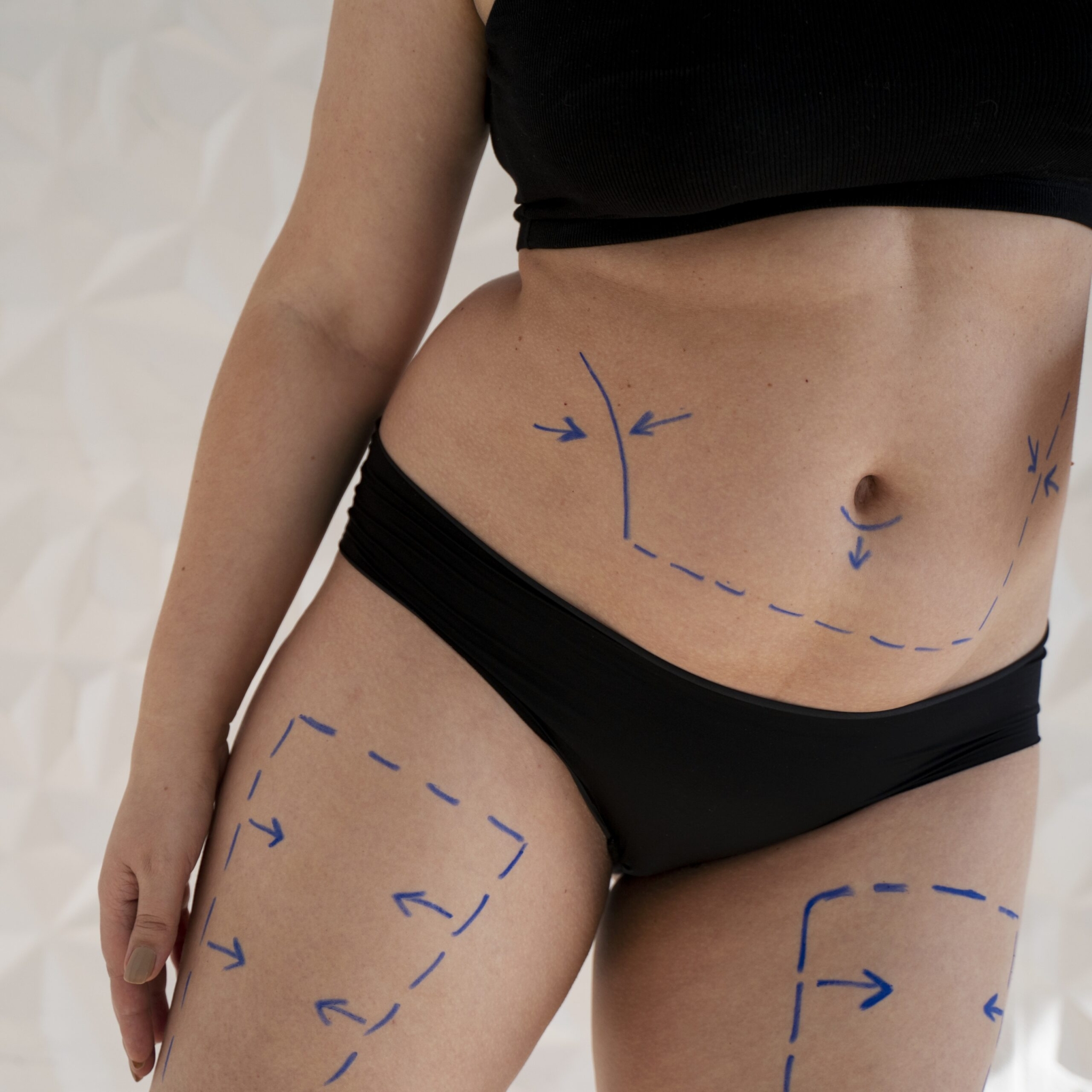
1. Am I a Good Candidate for Liposuction Right Now?
Uncertainty about candidacy is usually the first thing that comes up. This happens because liposuction is designed for body contouring rather than weight loss, so factors like skin elasticity, fat distribution, and overall health play a larger role than expected.
That’s typically when people begin looking into options like liposuction in San Diego to better understand how candidacy is evaluated before making a decision. At that point, the focus shifts to how different factors related to the patient's anatomy connect.
Instead of relying on a single measurement, evaluation approaches in trusted practices like Coastal Plastic Surgeons generally consider how body composition, skin quality, and treatment goals interact. That broader view tends to clarify whether the timing, and the approach—aligns with what you’re hoping to achieve.
2. What Areas Can Be Treated?
Expectations around results can feel a bit unclear in the beginning. Part of that uncertainty comes from not knowing how much fat can actually be removed from specific areas while still maintaining natural proportions. This is where the conversation starts becoming more detailed.
Instead of focusing only on the amount removed, surgeons usually discuss how shaping and contouring work together to create balance across treated and untreated areas. That shift helps frame the outcome as refinement rather than a dramatic transformation.
3. What Will the Recovery Process Really Feel Like?
Recovery is one of the biggest unknowns before surgery. A lot of that uncertainty comes from trying to picture how downtime will fit into everyday routines, especially when timelines vary depending on the extent of the procedure. This is usually when practical questions start taking priority.
Surgeons begin outlining how swelling, soreness, and energy levels change over time, connecting each phase to real-life activities like returning to work or resuming exercise. That kind of clarity tends to make the recovery process feel more manageable rather than unpredictable.
4. How Long Will It Take to See Final Results?
The timeline for results isn’t always as immediate as expected. This is because swelling and internal healing continue for weeks, gradually revealing the final contours rather than showing everything at once. That delay can feel confusing without context.
Over time, as the body adjusts and swelling subsides, the treated areas begin to show more definition and balance. Understanding that gradual progression usually helps set more realistic expectations from the start.
5. How Permanent Are the Results and What Affects Them?
Questions about longevity tend to come up early in the decision process. This happens because, while fat cells removed during liposuction don’t return, overall body changes can still affect how the results look over time.
That’s where the conversation expands beyond the procedure itself. Lifestyle factors such as weight stability, activity level, and overall health all play a role in maintaining the outcome. That perspective helps frame results as long-lasting but still connected to everyday habits.
6. How Does Liposuction Fit Into My Overall Goals?
Sometimes the bigger question sits just beneath the surface. It’s not just about the procedure, it’s about how it aligns with what you’re hoping to change or improve in a broader sense. This is where the discussion becomes more personal.
Surgeons usually explore how expectations, lifestyle, and long-term goals connect, helping determine whether liposuction is the right step or part of a larger plan. That level of reflection tends to make the decision feel more intentional rather than impulsive.
Conclusion
Considering liposuction isn’t just about choosing a procedure, it’s about asking the right questions at the right time. Each question adds a layer of clarity, turning uncertainty into something more structured and easier to navigate.
When those questions are explored fully, the decision starts to feel less like a leap and more like a well-informed step, shaped by understanding rather than assumption.





Leave a Reply