

When discussing senior home health care, the first things that come to mind for many people are medication and keeping track of doses, precautions to prevent falls, and managing chronic conditions.
Emotional health is rarely mentioned, and when it is, it generally doesn't go beyond a mere footnote. But science shows us that this can be particularly damaging.
Jump to:
Loneliness Isn't Just Sadness: It's A Biological Event
Persistent loneliness in older adults leads to increased stress over time.
This can lead to a sustained elevation of cortisol levels, weakening the immune system and increasing inflammation. This is not a figure of speech; it is a medical fact.
The downstream effects are real. Social isolation is associated with a nearly 50% increased risk of dementia and a 29% increased risk of heart disease. Those aren't soft statistics about mood. They're mortality numbers.
What this means practically: a senior whose emotional needs go unmet isn't just lonely. They're at higher clinical risk.
Treating that risk as secondary to their physical diagnoses misses how connected these systems actually are.
Emotional State Directly Shapes Physical Recovery
Older people with high emotional baselines recover more rapidly after surgery, falls, and cardiac events.
They regain mobility more quickly. They re-engage with physical therapy more consistently.
This isn't a personality observation; it reflects how mood shapes pain perception, motivation, and the physiological capacity to heal.
Depression in older people frequently doesn't look like depression. It looks like fatigue. It looks like unexplained pain. It looks like a refusal to eat.
If you're not specifically checking for it, you'll treat the symptoms and miss the root problem.
An older person who seems physically stable but is socially withdrawing may simply be six to eight weeks away from developing psychosomatic symptoms that will send them to the emergency room.
Then there's what's sometimes referred to as "Failure to Thrive": a pattern where seniors, in the absence of sufficient social contact, will simply start losing weight.
They stop eating. They begin declining physically even in the absence of any major acute medical need. The body, lacking emotional engagement, simply starts shutting itself down.
Connection Supports Cognition - And Compliance
Being socially active stimulates neuroplasticity, the brain's ability to create and reorganise synaptic connections, which also helps the brain adapt to injury.
Elderly people who experience social isolation don't simply suffer higher rates of depression.
They also lose their cognitive faculties faster. And when that happens, medication errors rise.
A mentally alert, socially engaged senior is more likely to take the right drugs at the right dosages, identify side effects, and alert their care providers when things start to go wrong.
As isolation and cognitive decline set in, drug compliance falls. The kind of small errors that lead to hospital stays start to accumulate.
It's one of the more quantifiable reasons why emotional wellness deserves equal footing to basic medical care, rather than being considered a quality-of-life add-on. The cost of ignoring the emotional side of health is tallied up on the bill.
How In-Home Care Addresses The Emotional Gap
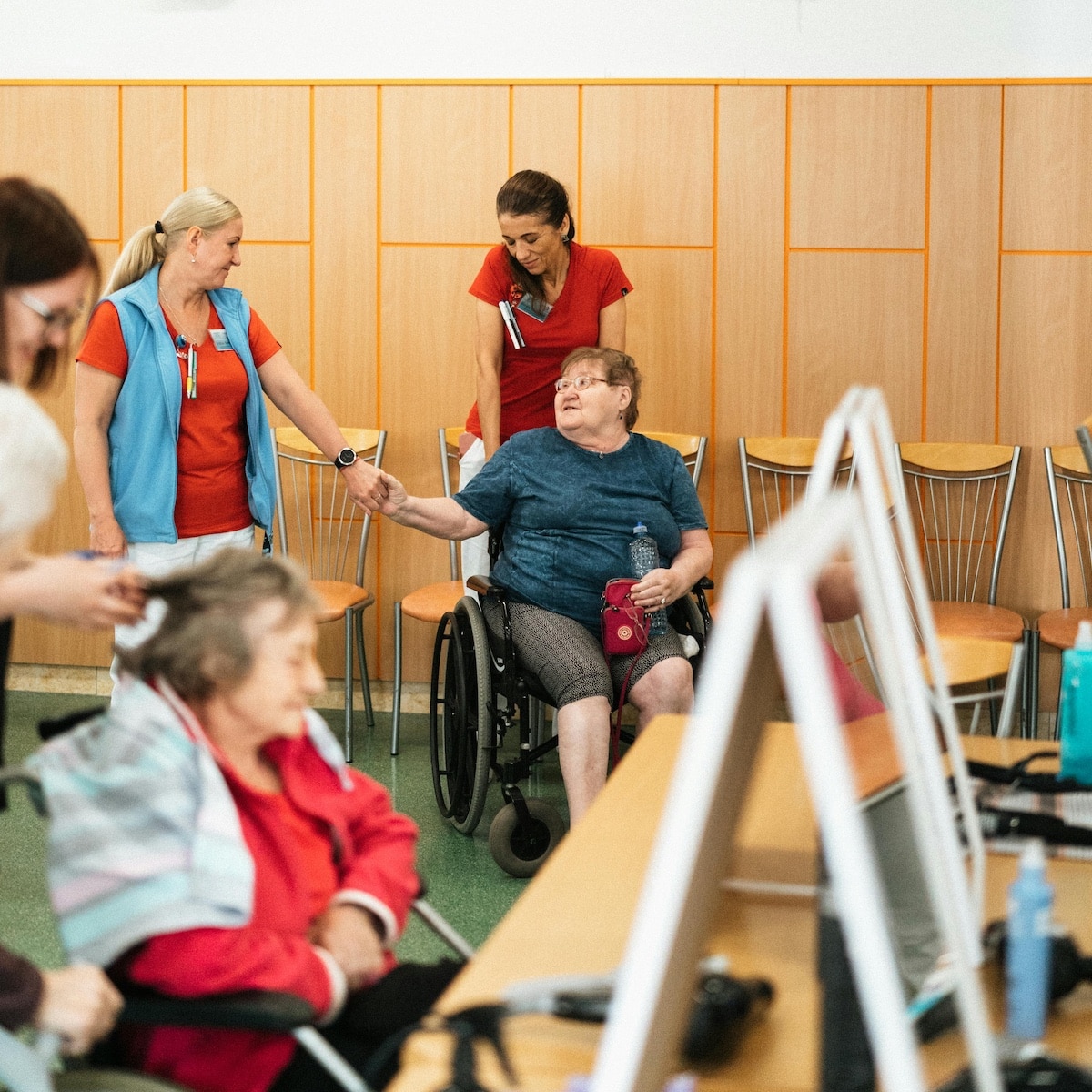
Caring for someone at home was always more than ensuring their safety. It's also about the emotional well-being of the elderly person.
Being around a caregiver who knows them, notices any changes in them, and engages in conversations with them helps reduce stress in the elderly person.
They also remain mentally active and do not isolate themselves, which eventually leads to their physical decline.
However, this doesn't mean that one will automatically thrive just by being safe at home. The elderly often lack the social support necessary for their well-being.
Especially in today's world, where everyone is always busy with something, most of the interactions the elderly receive are from their caregivers.
Many families feel that, despite their efforts to give their parents or grandparents the best care, there is still a gap between what the seniors need and what they can provide.
Hence, they need to engage the services of trusted in-home senior care providers in PA so that the holistic well-being of the elderly person is well-taken care of.
What Families Can Do Differently
The new perspective shift isn't particularly complex, but it does require unlearning the assumption that emotional care plays second fiddle.
When determining what kind of support an elderly person needs, don't only consider which issues are emerging, but also how often they engage in genuine social connections.
How often do they have the opportunity to go out or interact with something new in the world outside their front door?
Whether the people closest to them are equipped to notice the early signs of emotional changes just as readily as they notice physical decline.
- Parents Are Prioritising Breathable, Sustainable Fabrics For Children's Seasonal Sleepwear
- Our Homemade Christmas Printables, Made With AI: What Worked, What Didn't, and What I'm Saving for Next Year
- At-Home vs. In-Lounge IV Therapy in the Hudson Valley: Which Makes More Sense?
- Can Passengers Pursue Compensation After a Car Accident?




Companion care, which essentially means regular, high-quality social time, is not an indulgence available only to families with money to spare.
For many ageing people, it's the critical intervention that determines whether their medical care even has a chance to work.
Physical health is not a standalone phenomenon, disconnected from mood, relationships, or fulfilment. In older age, in particular, all of those elements get deeply tangled.
A care strategy that fails to take emotional and social health into account is not a complete strategy at all.





Leave a Reply