

A perfectly set dinner table feels incomplete without a centrepiece that truly wows your guests and rewards your culinary efforts.
Serving a plate of steamed crab legs is the ultimate way to turn a simple weeknight into a memorable celebration, but the high price point means there is absolutely no room for error.
Most home cooks feel a bit of pressure when standing at the seafood counter, wondering if the legs they are buying will be sweet and meaty or hollow and dry.
By learning exactly what to look for, you can navigate the market with total confidence and ensure your investment leads to a restaurant-quality feast.
Mastering these simple inspection techniques allows you to bring the luxury of the ocean directly to your kitchen for a meal everyone will remember.
Jump to:
1. Checking for Leg "Fullness" and Weight
The physical weight of the legs is the most reliable indicator of how much succulent meat is actually hidden inside the shell.
High-quality clusters should feel heavy for their size, suggesting they are packed with firm, sweet muscle rather than being hollow or filled with excess water.
When you are searching online for 'king crab for sale near me’, focus on product descriptions that mention leg size, weight per cluster, and customer reviews, as these indicators help you judge whether the crab will be meaty and worth the price.
For instance, those who shop at Fresh Thyme Market often cite the vibrant shell color and the absence of ice crystals as evidence of superior handling and storage.
This attention to detail ensures that once you steam the legs at home, the meat remains tender and flavorful rather than becoming dry or stringy.
2. Inspecting Shell Color and Condition
The visual appearance of the shell tells the story of how the crab was handled from the boat to the store shelf.
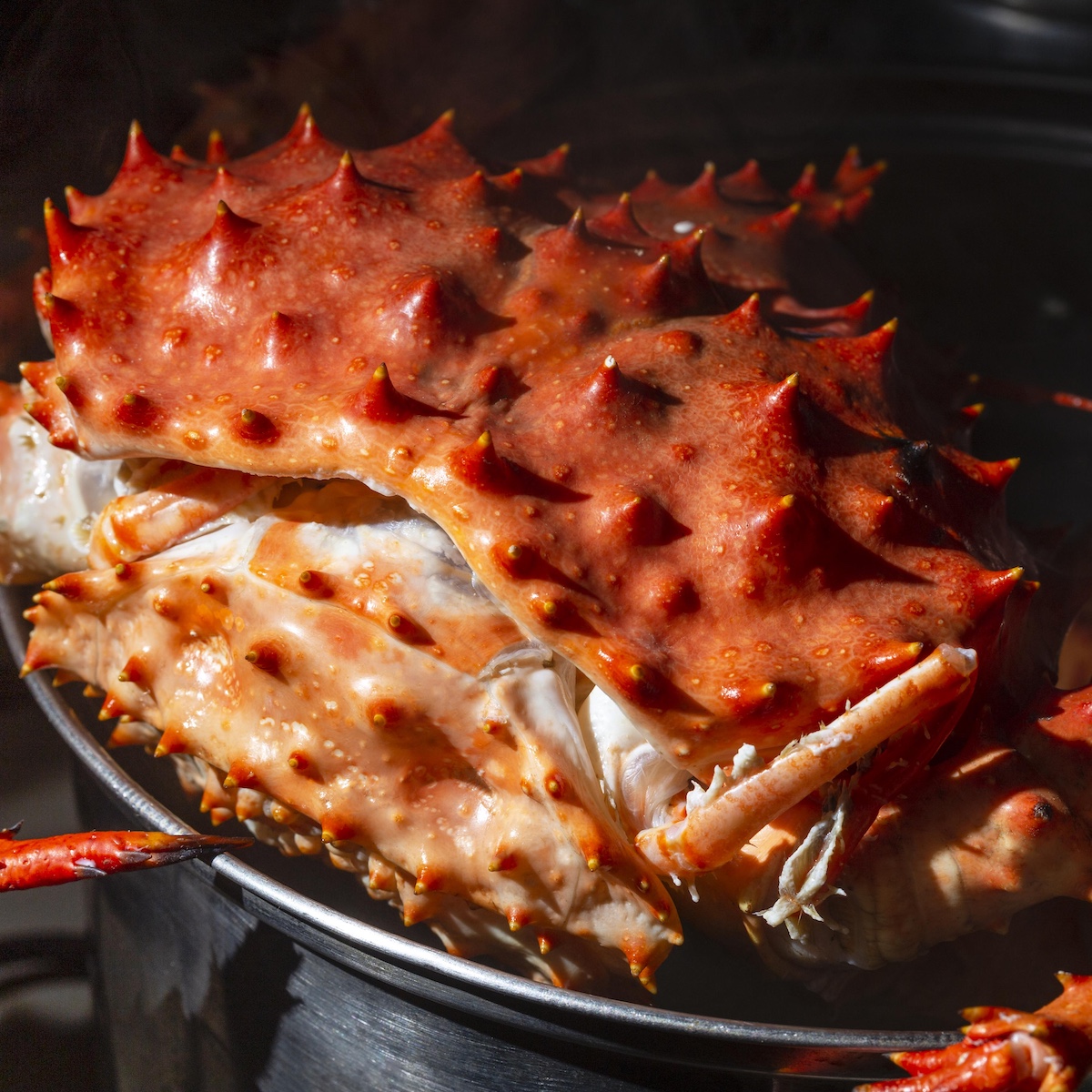
- Vibrant Hues: Look for a bright, reddish-orange shell, which is a clear sign of proper flash-freezing and temperature maintenance.
- Ice Crystal Check: Avoid any clusters that show heavy "snow" or large ice crystals, as this is a primary sign of freezer burn.
- Dull Patches: Steer clear of shells that appear grayish or dull, as this often indicates older stock that has lost its natural moisture.
- Joint Integrity: Ensure the joints are intact and not brittle, which suggests the crab was handled with care during the shipping process.
Ensuring the shell is in peak condition guarantees that the meat inside has been protected from the air, keeping the flavor sweet and the texture succulent for your guests.
3. Verifying the Source and Sustainability
Knowing exactly where your seafood comes from is essential for both flavor profiles and ethical shopping.
Red King Crab is widely considered the gold standard for its size and sweetness, while Golden King Crab offers a milder, more delicate flavor at a different price point.
Many home cooks are now prioritizing sustainable seafood sources to ensure that their favorite luxury treats remain available for future generations.
Understanding these distinctions helps you make an informed choice that aligns with your personal values and your specific recipe needs.
Checking for clear labeling regarding the origin of the catch is a hallmark of a high-quality grocer.
Transparent ingredient sourcing allows you to trace the journey of your meal and ensures you are paying for the premium quality you expect.
When a market is open about its suppliers and fishing methods, it builds a level of trust that is vital when purchasing expensive specialty items.
This knowledge not only improves the taste of your dish but also gives you a great story to share with your guests as you serve the meal.
4. Assessing the Aroma and Brine Levels
Fresh king crab should always remind you of the clean, salty ocean rather than having a strong or "fishy" scent.
- The Scent Profile: A faint, sweet aroma is perfect; avoid anything that smells like ammonia or has a sharp, sour odor.
- Sodium Awareness: High-quality crab is flash-frozen in a light brine, but over-processing can make the meat overly salty and tough.
- Market Freshness: Don't be afraid to ask the fishmonger about the most recent shipment date to ensure the batch is a fresh arrival.
- Visual Moisture: The meat visible at the cut ends of the legs should look white and opaque, not yellowed or shriveled.
A clean aroma is the ultimate quality check that gives you the green light to proceed with your purchase.
When the crab smells fresh, you can be certain that the natural sweetness of the meat will shine through once it is heated.
Final Thoughts
A great seafood dinner starts long before you turn on the stove; it begins at the market with a careful eye for quality. By checking for weight, color, and aroma, you ensure that your investment results in a truly luxurious experience.
- Parents Are Prioritising Breathable, Sustainable Fabrics For Children's Seasonal Sleepwear
- Our Homemade Christmas Printables, Made With AI: What Worked, What Didn't, and What I'm Saving for Next Year
- At-Home vs. In-Lounge IV Therapy in the Hudson Valley: Which Makes More Sense?
- Can Passengers Pursue Compensation After a Car Accident?




High-quality ingredients require very little work to taste amazing, allowing the natural sweetness of the crab to be the star.
Taking these small steps guarantees a delicious, restaurant-quality meal that your friends and family will cherish.





Leave a Reply