

The design of our homes has an undeniable effect on our health and happiness. As people become more mindful of the impact their environments have, there is increasing interest in creating living spaces that support both physical and mental well-being.
Modern homeowners and custom home builders DFW are embracing new approaches that blend function, comfort, and aesthetics to make wellness a central focus of interior design.
This shift means that interiors are no longer just about beauty or status. Now, thoughtful choices ranging from biophilic touches that reduce stress to toxin-free materials that ensure cleaner air are transforming how and where we live.
In a world filled with distractions, the home provides sanctuary and serves as a powerful tool for nurturing mind, body, and spirit.
Recent trends show that even subtle design decisions can help reduce anxiety, promote focus, and boost mood. In this article, the most popular strategies for creating health-focused interiors are explored.
These methods not only enhance day-to-day comfort but also contribute to long-term wellness for you and your loved ones.
Jump to:
- Biophilic Design: Bringing Nature Indoors
- Warm Minimalism: Simplifying with Comfort
- Toxin-Free Materials: Prioritizing Health
- Analogue Spaces: Reducing Digital Overload
- Vintage Elements: Embracing Timeless Charm
- Curved Furniture: Softening Interiors
- Personal Sanctuaries: Creating Restorative Spaces
- Final Thoughts
Biophilic Design: Bringing Nature Indoors
Biophilic design is rooted in our deep connection to nature. This trend uses elements such as indoor plants, natural light, wood, and water features to reduce stress and boost mood.
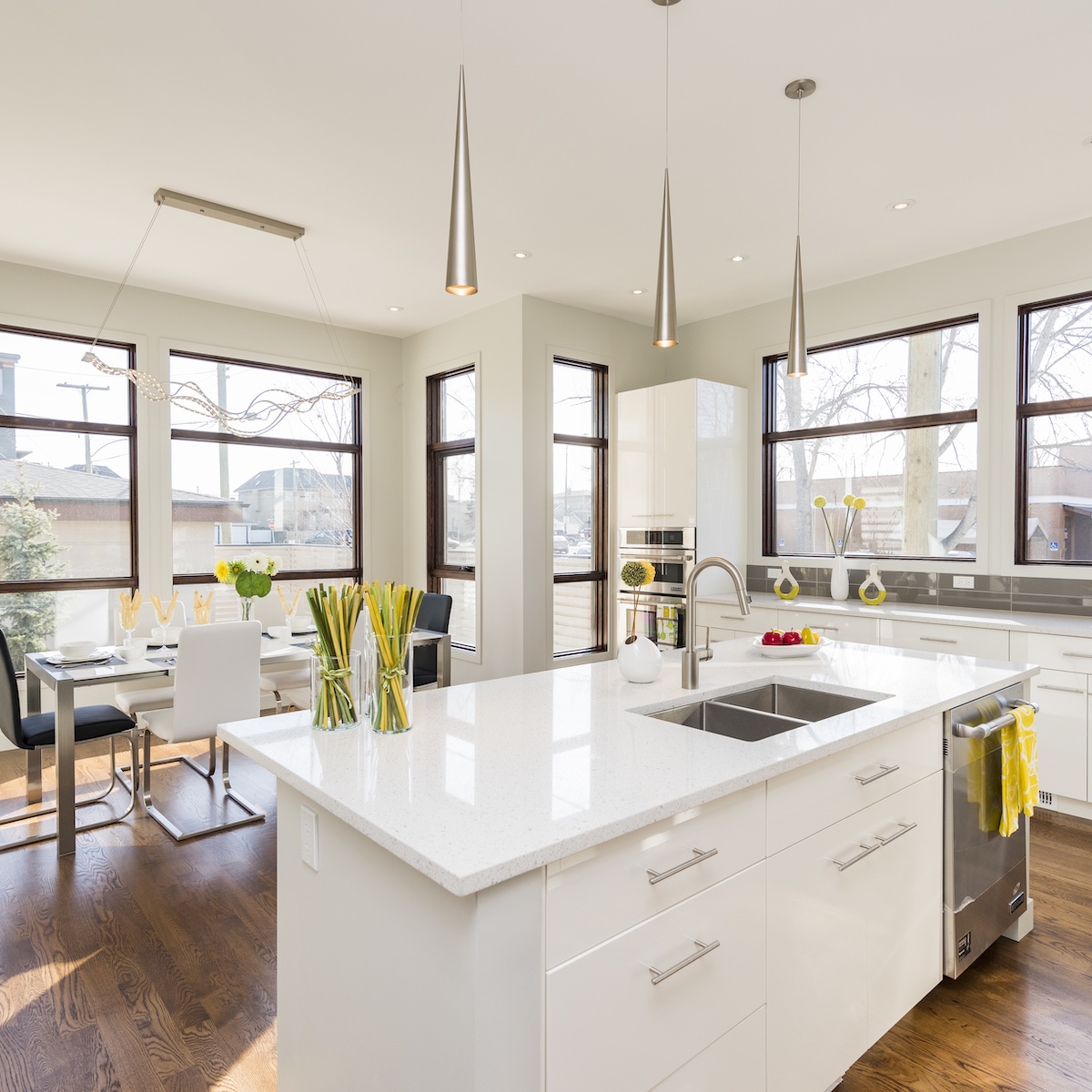
Large windows and skylights flood rooms with sunlight, while living walls and clusters of greenery introduce a soothing atmosphere.
Studies show that exposure to natural elements indoors can lower anxiety and improve cognitive function. Integrating biophilic design ensures that a home is as rejuvenating as it is beautiful.
Warm Minimalism: Simplifying with Comfort
Minimalism has evolved well beyond stark white rooms and bare surfaces. Warm minimalism balances simplicity with comfort, making homes feel both uncluttered and inviting.
The use of muted colors, tactile materials such as natural wool, linen, and soft woods, and cozy accents creates a welcoming space that encourages relaxation.
Efficient storage and thoughtful furniture choices are key, as they reduce disorder and make daily living more seamless. Instead of feeling empty, these environments radiate tranquility and warmth.
Toxin-Free Materials: Prioritizing Health
Indoor air quality is now top of mind for many homeowners, especially as they spend more time at home. Choosing low-VOC (volatile organic compound) paints, solid wood furniture, and non-synthetic fabrics reduces exposure to harmful chemicals.
Natural fiber rugs, untreated floors, and organic linens can support better breathing and lower the risk of allergies or respiratory issues. Installing advanced air purification systems, along with monitoring devices, makes it much easier to detect and reduce indoor pollutants.
According to the U.S. Environmental Protection Agency, maintaining good indoor air quality is essential for overall health.
Analogue Spaces: Reducing Digital Overload
With constant digital stimulation, creating analogue retreats within the home is becoming increasingly important. Dedicated zones free from screens, such as book nooks, meditation corners, or even hobby spaces, empower residents to unplug and recharge.
With cozy chairs, tactile materials, and ample task lighting, these spaces encourage mindfulness and creativity. The result is a home with designated areas that facilitate rest, reflection, and genuine human interaction.
Vintage Elements: Embracing Timeless Charm
Vintage furnishings and accessories lend a sense of history and character that modern pieces cannot replicate. By repurposing heirloom cabinets, antique mirrors, or retro light fixtures, these interiors marry nostalgia with functionality.
This approach is not only charming but also eco-friendly, as it involves reusing and reclaiming materials. When balanced with contemporary touches, vintage pieces can create harmonious, unique interiors that feel both established and fresh.
Curved Furniture: Softening Interiors
Curved lines are replacing harsh angles in today’s interiors. Rounded sofas, arched doorways, and circular tables introduce organic softness and visual flow.
These pieces break up monotony and make spaces appear more welcoming and human-centered.
Psychologically, curved forms promote relaxation and ease by mimicking shapes found in nature.
Whether through bold statement pieces or subtle décor accents, curves can make any room feel more approachable.
Personal Sanctuaries: Creating Restorative Spaces
Dedicating areas for relaxation and self-care is a defining feature of wellness-focused design. Personal sanctuaries may include meditation zones, soothing bathrooms with spa elements, or quiet reading alcoves.
Essential features are calming colors, plush textures, and customizable lighting.
Scented candles, plants, and soft music can further enhance the atmosphere. By crafting these intimate retreats, homeowners can decompress and recharge without leaving their own home.
Final Thoughts
Wellness-focused interiors represent a holistic shift in how people design and inhabit their living spaces.
Integrating biophilic elements, favoring toxin-free materials, curating personal sanctuaries, and adopting vintage and curved furnishings all contribute to increased health, comfort, and happiness at home.
- Parents Are Prioritising Breathable, Sustainable Fabrics For Children's Seasonal Sleepwear
- Our Homemade Christmas Printables, Made With AI: What Worked, What Didn't, and What I'm Saving for Next Year
- At-Home vs. In-Lounge IV Therapy in the Hudson Valley: Which Makes More Sense?
- Can Passengers Pursue Compensation After a Car Accident?




As these trends demonstrate, premium design goes beyond aesthetics. Instead, it shapes spaces that actively promote well-being for everyone who walks through the door.





Leave a Reply