

Natural personal care has moved far beyond niche markets. Consumers now expect thoughtfully formulated products made with recognisable ingredients, consistent performance, and brand transparency.
As demand increases, many companies discover that the methods they used to launch their brand are not always the same methods that support long-term growth.
Early-stage brands often begin with small batch production, hand-pouring products, or working with very small manufacturers.
This approach works well in the beginning because it allows founders to test formulations, build brand awareness, and establish a loyal customer base.
However, once orders begin to increase and retailers start asking for reliable inventory, production needs change quickly.
Growth introduces new pressures. Inventory must remain consistent. Product quality cannot vary between batches. Packaging, ingredient sourcing, and fulfilment all become more complex.
For brands that want to maintain their reputation while expanding their product offerings, the production strategy becomes one of the most important decisions they will make.
This shift has led many growing personal care brands to rethink how they bring products to market and with whom they partner to produce them.
Jump to:
- The Shift From Small-Batch Production to Strategic Manufacturing
- Why Product Expansion Is a Key Growth Strategy for Personal Care Brands
- Operational Challenges That Appear During Brand Growth
- What Brands Should Look For in a Manufacturing Partner
- Planning Production for Long-Term Brand Stability
- Conclusion
The Shift From Small-Batch Production to Strategic Manufacturing
Small batch production is often where great personal care brands begin. It allows founders to experiment with ingredients, develop their brand identity, and establish a connection with customers who value handmade products.
At some point, however, demand begins to exceed what small batch systems can support. Orders increase, retailers require consistent stock levels, and brands must begin thinking about production from an operational perspective rather than a purely creative one.
Scaling production introduces several new requirements:
- Larger and more consistent production runs
- Reliable ingredient sourcing
- Repeatable formulations across batches
- Coordinated packaging and labeling
- Timelines that align with retail schedules
Without a structured manufacturing approach, brands may encounter several challenges:
- Inconsistent product quality between batches
- Delayed shipments or missed retail deadlines
- Difficulty sourcing ingredients at scale
- Increased labor costs from manual production
Strategic manufacturing partnerships help bridge this gap. They allow brands to maintain their product integrity while building the operational structure needed to support growth.
Why Product Expansion Is a Key Growth Strategy for Personal Care Brands
Many successful personal care brands begin with a single hero product. Over time, expanding the product line becomes one of the most effective ways to grow revenue and deepen customer loyalty.
When customers trust a brand's quality and values, they are more likely to purchase additional products within the same ecosystem.
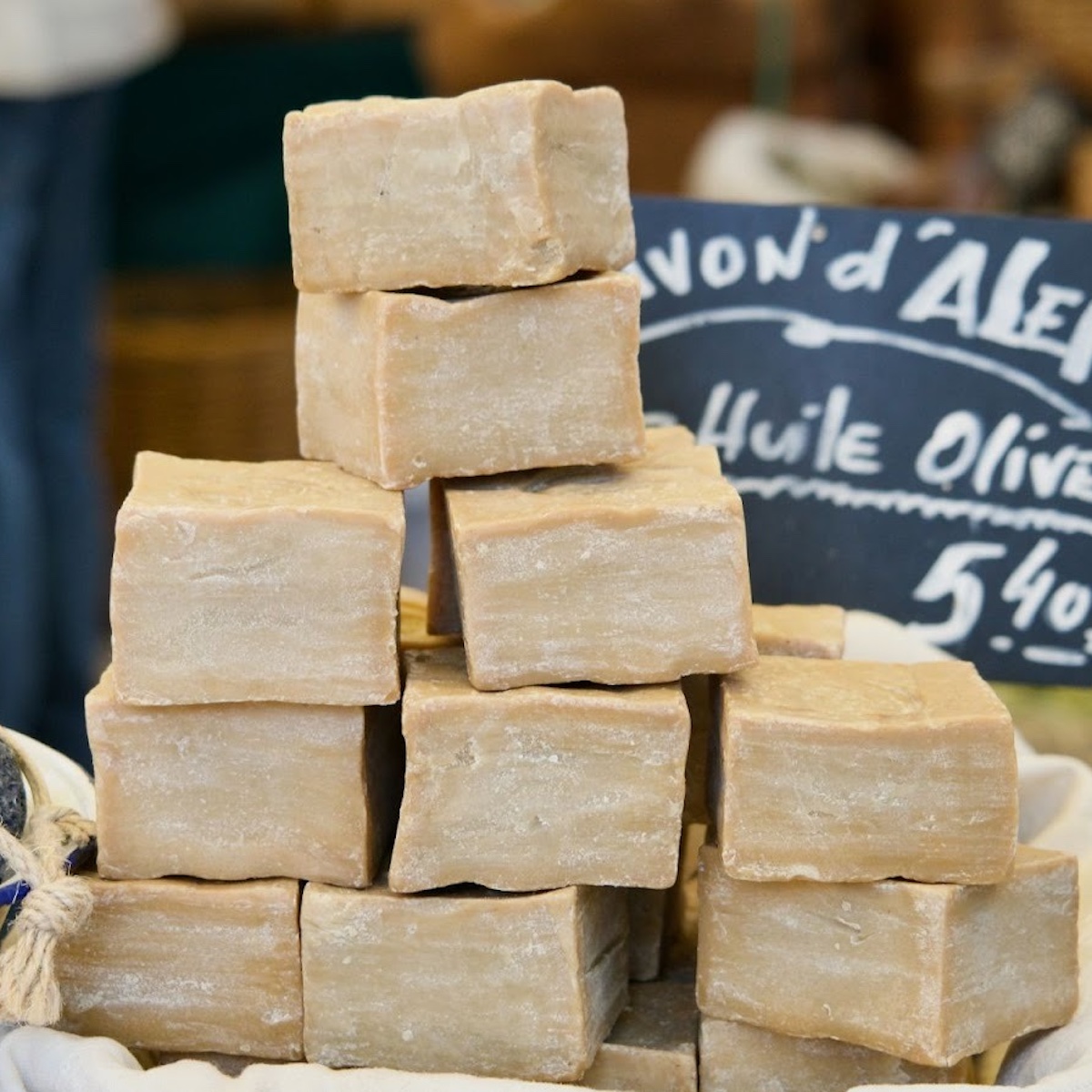
Common expansion strategies include adding items such as bar soap, body wash, shampoo, or speciality cleansing products that complement the brand's existing offerings.
There are several reasons product expansion works well for established brands:
- Increased customer lifetime value:
Customers who buy multiple products from the same brand tend to remain loyal for longer periods. - Stronger brand identity:
Offering a cohesive collection of personal care products reinforces the brand's expertise in its category. - Cross-selling opportunities:
When customers discover a new product they enjoy, they often explore other items in the same product family. - Improved retail positioning:
Retailers often prefer brands that offer multiple related products rather than a single SKU.
A thoughtful expansion strategy allows brands to grow without constantly acquiring new customers.
Operational Challenges That Appear During Brand Growth
While adding new products can accelerate brand growth, it also introduces operational complexity. What once involved producing a single item now requires coordinating multiple formulations, packaging components, and production schedules.
As brands expand their product catalogue, they often encounter challenges such as:
- Ingredient sourcing across multiple products
- Coordinating packaging components from different suppliers
- Maintaining consistent formulations between production runs
- Managing production timelines for multiple SKUs
- Ensuring quality control across every batch
Even small adjustments to packaging or ingredients can create ripple effects across the entire production process.
For example, a packaging delay can stall a finished product launch. Ingredient shortages may require reformulation or new supplier relationships. As order volumes increase, production planning becomes more important than ever.
This is why operational systems play such a critical role in the success of growing personal care brands. Without clear processes and reliable manufacturing support, scaling production can quickly become overwhelming.
What Brands Should Look For in a Manufacturing Partner
Selecting the right manufacturing partner can determine whether a brand scales smoothly or struggles with production setbacks.
A strong partner provides more than just production capacity. They bring operational expertise, communication, and an understanding of the personal care industry.
When evaluating potential partners, brands should consider several factors:
- Experience working with natural personal care products
- Clear and responsive communication
- Flexible production capabilities that can grow with the brand
- Consistent quality control processes
- Reliable lead times and scheduling
Manufacturers that specialise in natural formulations are particularly valuable because ingredient performance and stability require careful attention.
For brands expanding into new cleansing products, working with an experienced partner capable of producing Custom Soap can help ensure the final product aligns with the brand's quality standards and customer expectations.
The right manufacturing relationship becomes an extension of the brand's operations, helping founders focus on marketing, sales, and customer engagement while production runs smoothly in the background.
Planning Production for Long-Term Brand Stability
Once a brand moves beyond early-stage growth, production planning becomes an essential part of maintaining stability.
Brands that think ahead about manufacturing and inventory management are better positioned to meet demand and avoid disruptions.
Effective production planning often includes:
- Seasonal demand forecasting:
Many personal care brands experience seasonal sales patterns. Planning ahead helps ensure inventory is available when demand peaks. - Inventory management strategies:
Maintaining balanced inventory levels helps prevent both stockouts and excess storage costs. - SKU planning:
As product catalogs grow, brands must carefully decide which products to prioritize in production. - Retail readiness:
Retail partners expect dependable delivery schedules and consistent product availability.
By carefully planning production cycles, brands can support both direct-to-consumer sales and wholesale distribution without sacrificing product quality or reliability.
Conclusion
The natural personal care industry continues to evolve as consumers seek high-quality products made with thoughtful ingredients.
For growing brands, meeting this demand requires more than strong branding and creative formulations.
It requires operational systems capable of supporting consistent production.
Small batch methods are often where many brands begin, but scaling successfully requires a different approach.
- Parents Are Prioritising Breathable, Sustainable Fabrics For Children's Seasonal Sleepwear
- Our Homemade Christmas Printables, Made With AI: What Worked, What Didn't, and What I'm Saving for Next Year
- At-Home vs. In-Lounge IV Therapy in the Hudson Valley: Which Makes More Sense?
- Can Passengers Pursue Compensation After a Car Accident?




Product expansion, increased order volumes, and retail partnerships all place new demands on production.
By building the right manufacturing partnerships and implementing structured production planning, personal care brands can expand their product offerings while maintaining the standards that originally attracted their customers.
With the right strategy in place, growth becomes not only possible but sustainable, allowing brands to continue delivering products their customers trust for years to come.





Leave a Reply