

Laser hair removal sounds straightforward at first. A device targets the hair follicle, heat disrupts growth, and over time, the hair becomes finer or stops growing.
Yet skin tone plays a much bigger role in the process than most people realize.
In Sacramento, where sunshine is part of daily life, skin tone and recent sun exposure often shift more than expected.
That matters. Laser technology works by detecting pigment, which behaves differently across skin types.
Understanding how skin tone influences settings is not about complexity. It is about safety. It is about precision. And it is about getting results without unnecessary risk.
Here are five safety factors that shape the selection of laser settings.
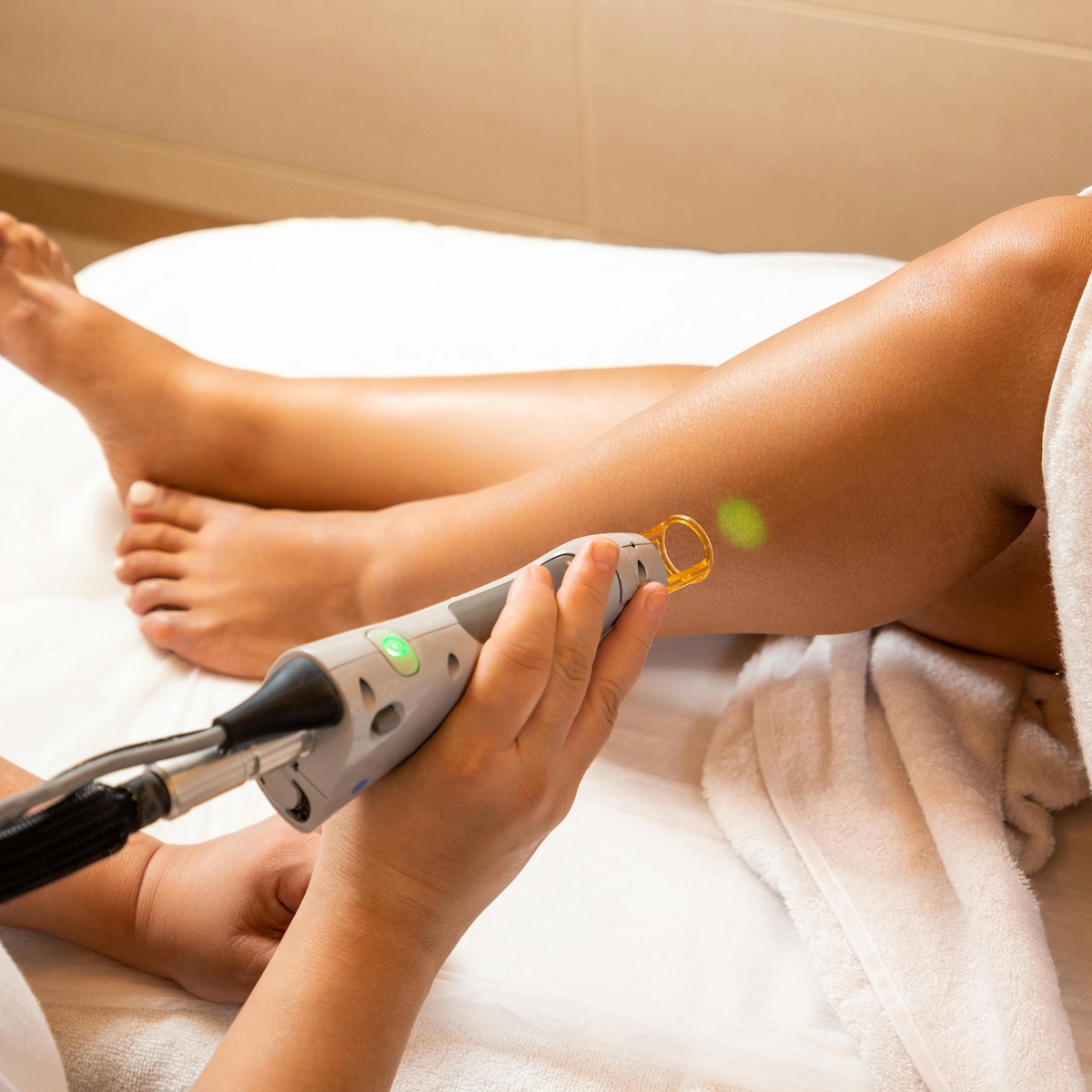
Jump to:
- 1. Melanin Levels Change How Energy Is Absorbed
- 2. Wavelength Selection Matters More for Deeper Skin Tones
- 3. Pulse Duration and Cooling Protect the Surface
- 4. Recent Sun Exposure Can Temporarily Shift Skin Type
- 5. Patch Testing Reduces Risk and Builds Confidence
- Understanding Safety Means Understanding Individual Differences
- Conclusion
1. Melanin Levels Change How Energy Is Absorbed
Laser hair removal targets melanin, the pigment that gives hair its color.
The laser energy travels through the skin and concentrates on the darker hair shaft. That heat then disables the follicle.
When discussing treatments such as laser hair removal in Sacramento, providers often explain that settings vary based on Fitzpatrick skin type rather than using one universal intensity.
The evaluation usually includes tone, undertone, and even recent tanning history, along with a review of hair thickness and treatment goals to ensure that energy is delivered precisely where it’s needed.
Adjustments to wavelength and cooling methods are also considered at this stage, so the skin remains protected while follicles are effectively targeted.
That is why many clinics, including Davis Dermatology, approach these decisions methodically, recognizing that pigment levels directly affect both safety and effectiveness. The goal is selective heating and not surface damage.
2. Wavelength Selection Matters More for Deeper Skin Tones
Not all lasers operate at the same wavelength. Some are better suited for lighter skin, while others are specifically designed to penetrate deeper with reduced surface absorption.
For example, certain longer wavelengths bypass more superficial pigment and reduce the risk of hyperpigmentation or burns.
This distinction becomes essential for medium to deeper complexions.
This is why experienced providers rarely rush into treatment. They adjust wavelength, pulse duration, and fluence carefully.
Skin tone affects which laser platform is used in the first place. It is less about intensity and more about compatibility.
Choosing the wrong wavelength can increase irritation or uneven pigment changes. Choosing correctly improves both comfort and outcome.
3. Pulse Duration and Cooling Protect the Surface
Laser settings are not only about strength. Pulse duration, meaning how long the energy is delivered, changes how heat spreads through tissue.
Shorter pulses concentrate heat quickly. Longer pulses allow gradual absorption. For darker skin tones, longer pulse durations often reduce risk by giving the epidermis more time to cool.
Cooling systems also play a major role. Modern devices include contact cooling, cryogen spray, or integrated cooling tips that protect the outer skin layer during treatment.
Clients sometimes assume discomfort equals effectiveness. It does not. Properly adjusted settings feel controlled and tolerable. Surface protection ensures pigment remains stable after the session.
Precision here prevents post-inflammatory hyperpigmentation, especially in melanin-rich skin.
4. Recent Sun Exposure Can Temporarily Shift Skin Type
In a sunny environment, even lighter skin types may tan. That temporary increase in melanin can alter how the laser interacts with the skin.
Before treatment, providers typically ask about recent vacations, outdoor activity, and tanning products. Even subtle bronzing can change the safest settings.
This is why many clinics advise avoiding sun exposure for several weeks before and after sessions. It is not just a routine instruction. It is a protective step.
A recent tan makes the skin behave like a darker skin type under the laser. Ignoring that can increase sensitivity or pigment changes. Adjusting for it keeps treatment controlled.
5. Patch Testing Reduces Risk and Builds Confidence
Patch testing may seem minor, but it offers valuable information. A small test spot allows the provider to observe how the skin reacts before performing a full session.
This step becomes especially important for deeper skin tones or clients with a history of pigmentation issues. It reveals how the skin responds to energy levels and cooling methods. Patch testing also helps adjust expectations.
Some people see mild redness that resolves quickly. Others may experience temporary darkening that fades over days. Observing this reaction in advance allows settings to be fine-tuned.
Laser hair removal is not about guessing. It is about observing, adjusting, and proceeding carefully.
Understanding Safety Means Understanding Individual Differences
Laser hair removal has evolved significantly. Modern technology makes treatment possible across a wide range of skin tones.
That progress has expanded access, but it has also increased the importance of individualized planning.
A thoughtful consultation takes all of this into account. It does not rely on generic settings or assumptions based solely on appearance.
When settings are chosen correctly, treatment feels predictable. Sessions move forward safely.
Results improve gradually without unnecessary irritation. That is the difference between standardized treatment and tailored care.
Conclusion
Skin tone plays a central role in how laser hair removal is performed safely and effectively. It determines how energy is absorbed, how long pulses should last, and how much cooling support is needed.
It even influences timing around sun exposure. The process is not one-size-fits-all. It is measured and deliberate.
- Parents Are Prioritising Breathable, Sustainable Fabrics For Children's Seasonal Sleepwear
- Our Homemade Christmas Printables, Made With AI: What Worked, What Didn't, and What I'm Saving for Next Year
- At-Home vs. In-Lounge IV Therapy in the Hudson Valley: Which Makes More Sense?
- Can Passengers Pursue Compensation After a Car Accident?




Understanding these five safety factors helps remove uncertainty and replace it with clarity.
When laser settings are matched to individual pigment levels, treatment becomes not only effective, but controlled.
And in aesthetic care, control is what protects both skin health and long-term results.





Leave a Reply