

Families today consume content across streaming platforms, social media, and traditional television.
For lifestyle brands, this creates both opportunity and complexity.
Websites like The Inspiration Edit focus on parenting, creativity, home life, and family activities. Brands in this space must reach parents where they actually spend their time.

Jump to:
- Why TV Still Matters for Family Brands
- The Rise of Data-Driven TV Advertising
- How This Fits Family Lifestyle Content
- TV vs Digital Ads Comparison
- Budget Allocation Example
- Expert Insight on Multi Channel Growth
- Embedded YouTube Resource
- How Family Brands Measure Success
- Practical Strategy for Lifestyle Brands
- Final Thoughts
- FAQs
Why TV Still Matters for Family Brands
Streaming has changed viewing habits, but television remains powerful.
Parents often watch content with their children, making TV a shared experience that builds brand familiarity.
According to Nielsen, connected TV usage continues to grow year over year, especially among households with children.
The Rise of Data-Driven TV Advertising
Modern TV advertising is not limited to traditional broadcast.
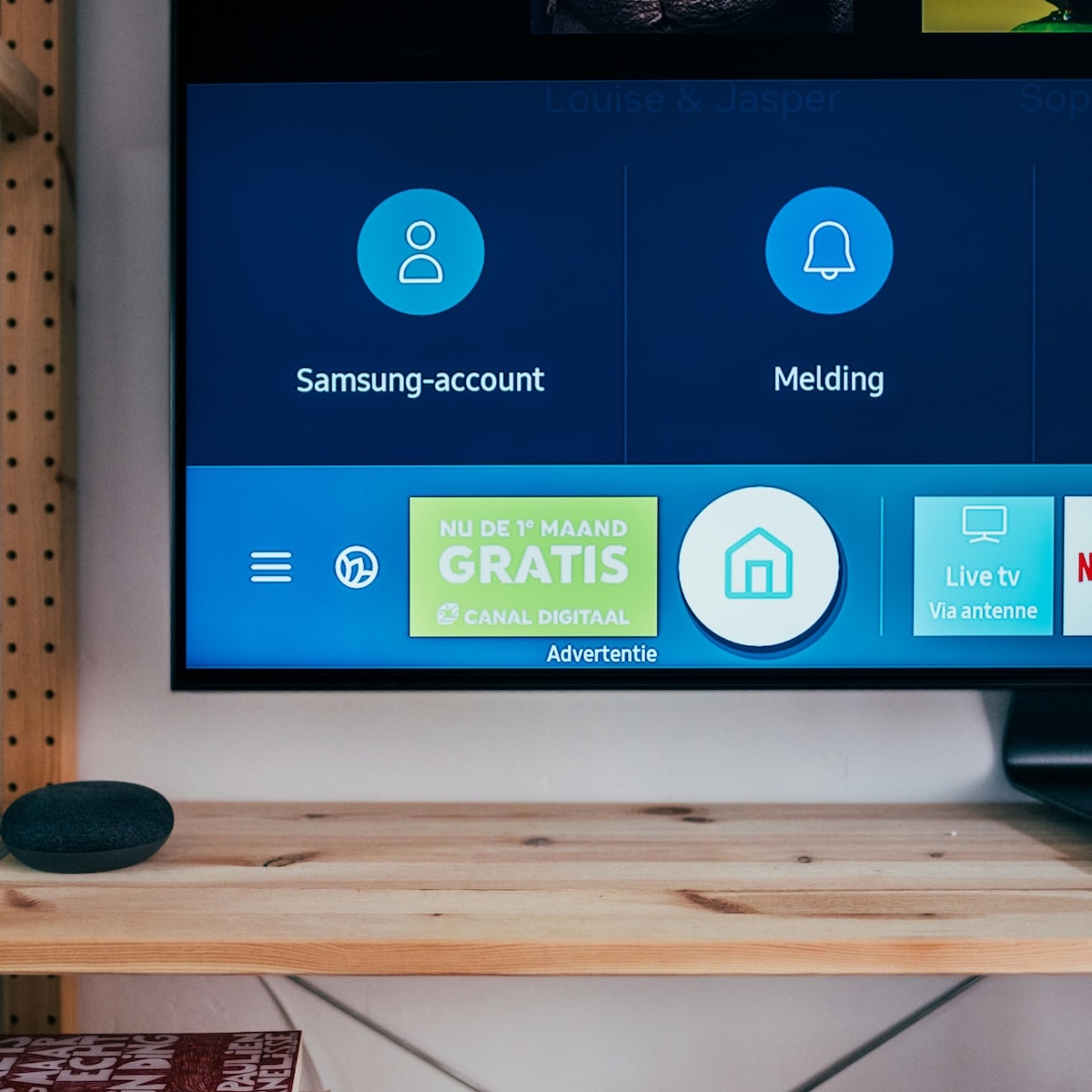
Brands now use connected TV and performance TV to measure outcomes such as website visits and conversions.
Platforms like Tatari provide analytics and attribution tools that help brands understand which ads drive real results.
You can explore more about performance-focused TV campaigns through Tatari.
This approach helps lifestyle brands scale while maintaining accountability.
How This Fits Family Lifestyle Content
Family focused websites often highlight home decor, crafts, parenting advice, and seasonal activities.
Many of these topics align naturally with consumer brands in toys, home products, education, and wellness.
For example, The Inspiration Edit regularly publishes craft ideas and parenting resources such as https://www.theinspirationedit.com/easy-kids-crafts/ and https://www.theinspirationedit.com/parenting-tips/.
When those brands invest in TV advertising, they create awareness that complements digital placements and influencer collaborations.
TV vs Digital Ads Comparison
Below is a simple comparison of advertising channels commonly used by family brands.
| Feature | Traditional TV | Connected TV | Social Media Ads |
| Audience Targeting | Broad demographic | Household level targeting | Interest based targeting |
| Measurement | Limited attribution | Advanced attribution | Detailed performance metrics |
| Cost | High upfront | Flexible budgets | Flexible budgets |
| Brand Impact | Strong brand recall | Strong recall with tracking | Strong engagement |
| Best For | National campaigns | Scalable growth | Direct response |
Connected TV bridges the gap between brand awareness and measurable growth.
Budget Allocation Example
Below is a simplified sample allocation for a growing family lifestyle brand.
| Channel | Monthly Budget | Primary Goal |
| Connected TV | 40% | Awareness and website traffic |
| Social Media | 30% | Engagement and retargeting |
| Influencer Blogs | 20% | Niche trust building |
| Email Marketing | 10% | Retention |
This mix supports both reach and performance.
Expert Insight on Multi Channel Growth
Marketing strategist Rand Fishkin has emphasized the importance of diversified channels rather than relying solely on one performance platform.
Industry discussions across marketing conferences highlight that brands combining TV with digital channels often see stronger brand recall and higher conversion rates over time.
Performance TV data helps brands justify continued investment.
Embedded YouTube Resource
Place this video after this paragraph.
A helpful overview of connected TV advertising can be found here:
https://www.youtube.com/watch?v=4S6b5sF6cJ8
This video explains how connected TV targeting and attribution work in practical terms.
How Family Brands Measure Success
Success is no longer based only on impressions.
Key metrics now include cost per visit, branded search lift, and revenue attribution.
Many connected TV platforms integrate with analytics tools to track performance from first impression to purchase.
This allows brands featured on family blogs to reinforce awareness built through content marketing.
Practical Strategy for Lifestyle Brands
Start with clear messaging tailored to parents.
Test short connected TV spots that highlight practical benefits such as saving time or improving family routines.
Coordinate messaging across blog features, social ads, and TV to create consistency.
Monitor branded search traffic and direct website visits after campaigns launch.
Adjust creative based on performance data rather than assumptions.

- Parents Are Prioritising Breathable, Sustainable Fabrics For Children's Seasonal Sleepwear
- Our Homemade Christmas Printables, Made With AI: What Worked, What Didn't, and What I'm Saving for Next Year
- At-Home vs. In-Lounge IV Therapy in the Hudson Valley: Which Makes More Sense?
- Can Passengers Pursue Compensation After a Car Accident?




Final Thoughts
Family lifestyle brands thrive on trust and visibility.
Combining quality blog placements with measurable TV advertising creates both awareness and accountability.
In a fragmented media environment, brands that integrate connected TV with digital storytelling are positioned for sustainable growth.
FAQs
Not necessarily. Connected TV allows flexible budgets and smaller test campaigns compared to traditional broadcast.
Connected TV uses internet-delivered content and allows better targeting and measurement. Traditional TV relies on broader demographic estimates.
Yes. Studies show that TV exposure often increases branded search and website visits. When paired with blog features and social media, results can compound.
Most experts recommend testing for at least 6 to 8 weeks to gather meaningful performance data.





Leave a Reply