

Millions of households struggle with the adverse effects of hard water, characterized by elevated concentrations of minerals, primarily calcium and magnesium.
These minerals are harmless to drink, but they wreak havoc on plumbing, appliances, and day-to-day chores.
Scale buildup from hard water is commonly found in pipes, water heaters, and fixtures, eventually leading to clogged lines, inefficient appliances, and costly repairs.
If you’ve noticed unsightly spots on dishes, stiff or faded laundry, or persistent skin dryness and irritation, hard water may be the culprit.
Considering that a water softener system can offer lasting relief from these persistent issues, it can improve your home’s water quality, enhancing hygiene, comfort, and cleaning.
The implications of hard water extend beyond inconvenience; it directly affects the performance and longevity of household utilities.
Scale buildup decreases water flow through narrow pipes, disrupts water heater efficiency, and may even void manufacturer warranties on major appliances.
Over time, these impacts invariably drive up maintenance and replacement costs, turning what seems like a minor annoyance into a significant household expense.
Jump to:
Initial Investment in Water Softener Systems
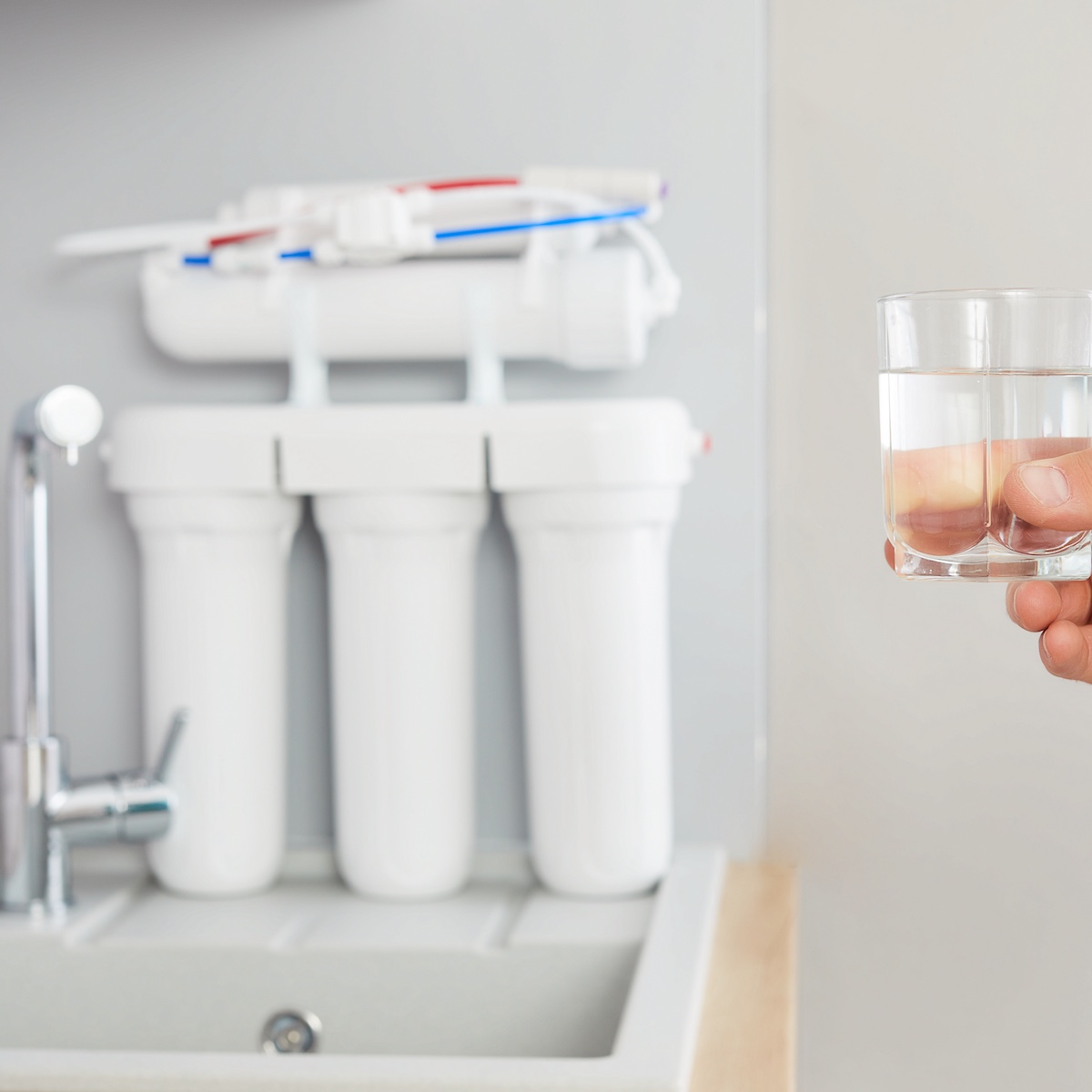
The initial cost of installing a water softener system largely depends on the water hardness levels, the size of your home, and your preferred system type.
Most households can expect an investment ranging from $1,200 to $3,800, which includes both the equipment and professional installation.
Larger homes with extensive plumbing or particularly hard water may require higher-capacity units, while basic models suffice in less demanding situations.
Installation fees are typically bundled, but they can vary depending on labor rates and system complexity.
Additionally, there are multiple types of systems on the market, from salt-based to salt-free softeners, each carrying its own price point and maintenance considerations.
Homeowners should assess their local water quality and consult with professionals to find a solution tailored to their specific needs and budget.
Ongoing Maintenance and Operational Costs
Beyond the upfront cost, ongoing maintenance ensures continuous operation and optimal water quality. Salt-based systems, the most common choice, require regular replenishment of salt.
A typical household may spend $5–$10 per 40-pound bag of salt, with total annual costs depending on water usage and water hardness.
Most systems consume minimal electricity, commonly $10–$30 a year, and should be checked by professionals annually, a service that usually ranges from $100–$200 per visit.
These maintenance tasks not only extend the lifespan of your system but also prevent scale buildup in your plumbing and appliances.
Extending Appliance Lifespan and Reducing Repairs
One of the most compelling financial arguments for installing a water softener is the protection of household appliances. Hard water scale buildup sabotages heaters, dishwashers, washing machines, and even small appliances like coffee makers.
Removing minerals from your water supply can extend the life of these appliances by several years, saving homeowners between $400 and $2,000 per appliance over time compared to those operating with untreated water.
According to Consumer Reports, regular exposure to scale results in more frequent repairs, decreased performance, and premature replacement, costs that can easily add up as appliances cycle through their normal lifespans.
Energy Efficiency and Cost Savings
Water heaters are particularly susceptible to efficiency loss due to mineral scaling, which causes them to expend more energy heating water.
This translates into higher monthly energy bills. Studies show that homes with water softeners can save up to 29% on heating costs.
Over a system’s lifespan, these annually compounding savings provide a significant return on the initial softener investment, further tipping the balance in your favor as energy rates rise nationwide.
Reduction in Cleaning Product Usage
Another immediate perk of soft water is its effect on cleaning. Soaps and detergents lather better and rinse out more completely, reducing the need for excessive product use.
Households can reduce their use of cleaning and laundry products by up to 75%, saving both money and minimizing the environmental impact of chemical runoff.
This not only improves your home’s sustainability but also eliminates soap scum and surface residue, reducing scrubbing time and ensuring more consistent cleaning results.
Improved Quality of Life
Beyond tangible cost and time savings, soft water can transform daily living. Residents consistently report softer, healthier skin and hair, brighter clothing, and spotless, gleaming dishes.
These upgrades may seem subtle at first, but over time, they add up to a higher quality of life, fewer household frustrations, and greater pride in your living environment.

- Parents Are Prioritising Breathable, Sustainable Fabrics For Children's Seasonal Sleepwear
- Our Homemade Christmas Printables, Made With AI: What Worked, What Didn't, and What I'm Saving for Next Year
- At-Home vs. In-Lounge IV Therapy in the Hudson Valley: Which Makes More Sense?
- Can Passengers Pursue Compensation After a Car Accident?




Final Thoughts
While the initial price of a water softener system may give some homeowners pause, the cost-effectiveness becomes clear when all benefits are weighed.
From appliance longevity and operational savings to reduced product waste and daily lifestyle enrichment, softening your water is a prudent investment.
Evaluate your water quality, consult a professional, and consider the transformative impact a robust water system can have on your home.





Leave a Reply