

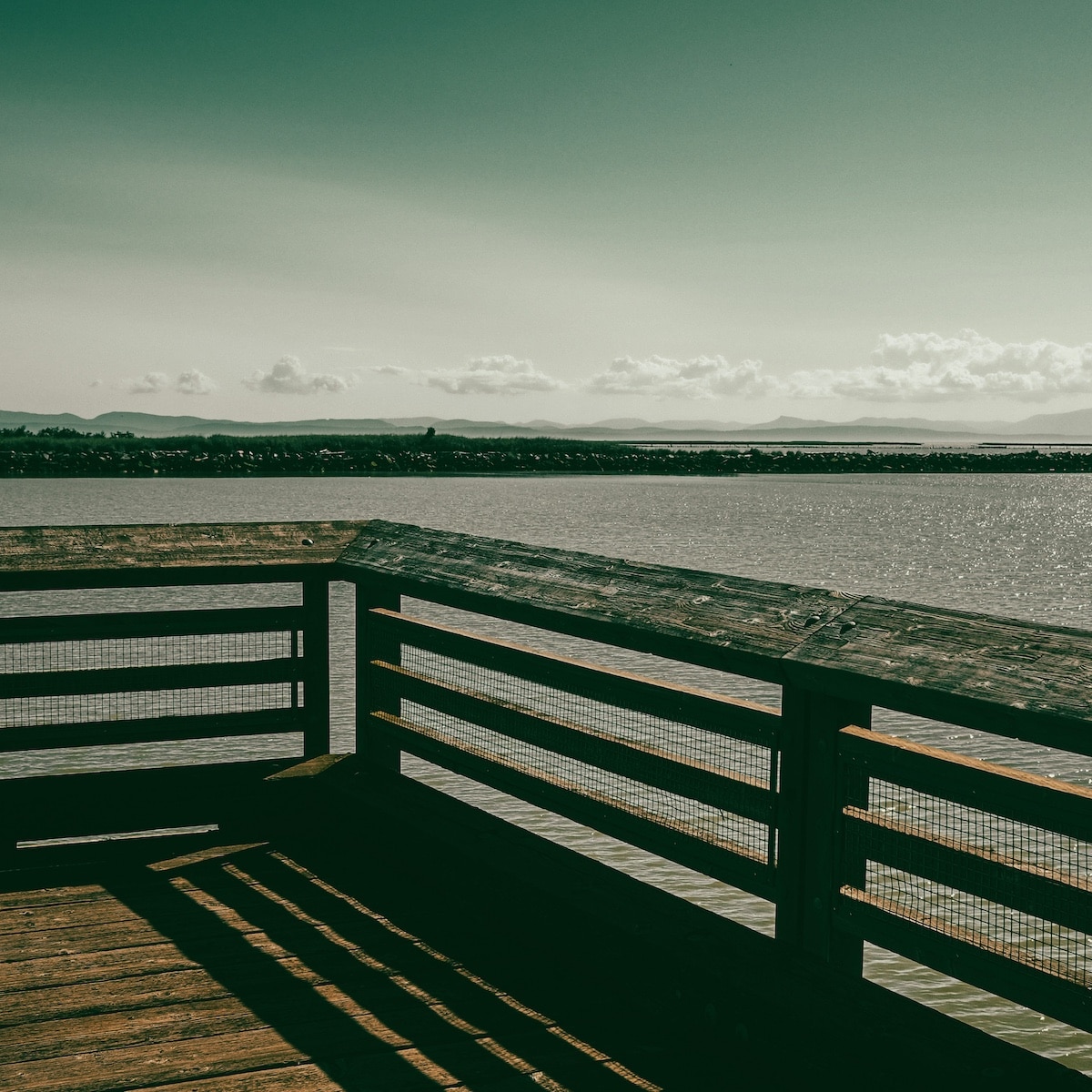
Designing a veranda for your waterfront property can significantly enhance both the aesthetic appeal and functionality of your outdoor space.
A well-designed veranda offers a stunning view of the water and provides a comfortable space for relaxation and entertainment.
In this article, we’ll explore key design tips for creating a practical and stylish veranda that fits the unique features of your waterfront property.
Jump to:
Consider the Location and View
The first step in designing a veranda is understanding the location and the view it offers.
A waterfront property provides a beautiful natural landscape, so it’s important to position your veranda to take full advantage of the view.
The design should complement the natural surroundings and enhance your connection to the water.
When choosing the ideal spot, consider factors like sun exposure, wind direction, and privacy.
You want to ensure that the veranda is comfortable at all times of the day, whether you're enjoying morning coffee or hosting a gathering.
It’s important to think about how the veranda will flow with the rest of your home and landscaping.
Choose Durable Materials
Waterfront properties are exposed to the elements, so selecting durable materials is key to maintaining the veranda’s longevity.
Choose weather-resistant materials that can withstand moisture, humidity, and saltwater.
Hardwood options like teak or ipe are popular choices due to their natural resilience against weathering.
For a more contemporary or low-maintenance option, composite materials can be a great choice.
Companies such as Platinum Decking offer high-quality composite decking that is resistant to fading, rotting, and warping, making it ideal for a veranda that faces harsh weather conditions.
Be sure to choose materials that require minimal upkeep to keep the space looking pristine for years.
Create a Comfortable Outdoor Living Space
A veranda should be an extension of your living space, providing a comfortable area for relaxation and entertainment.
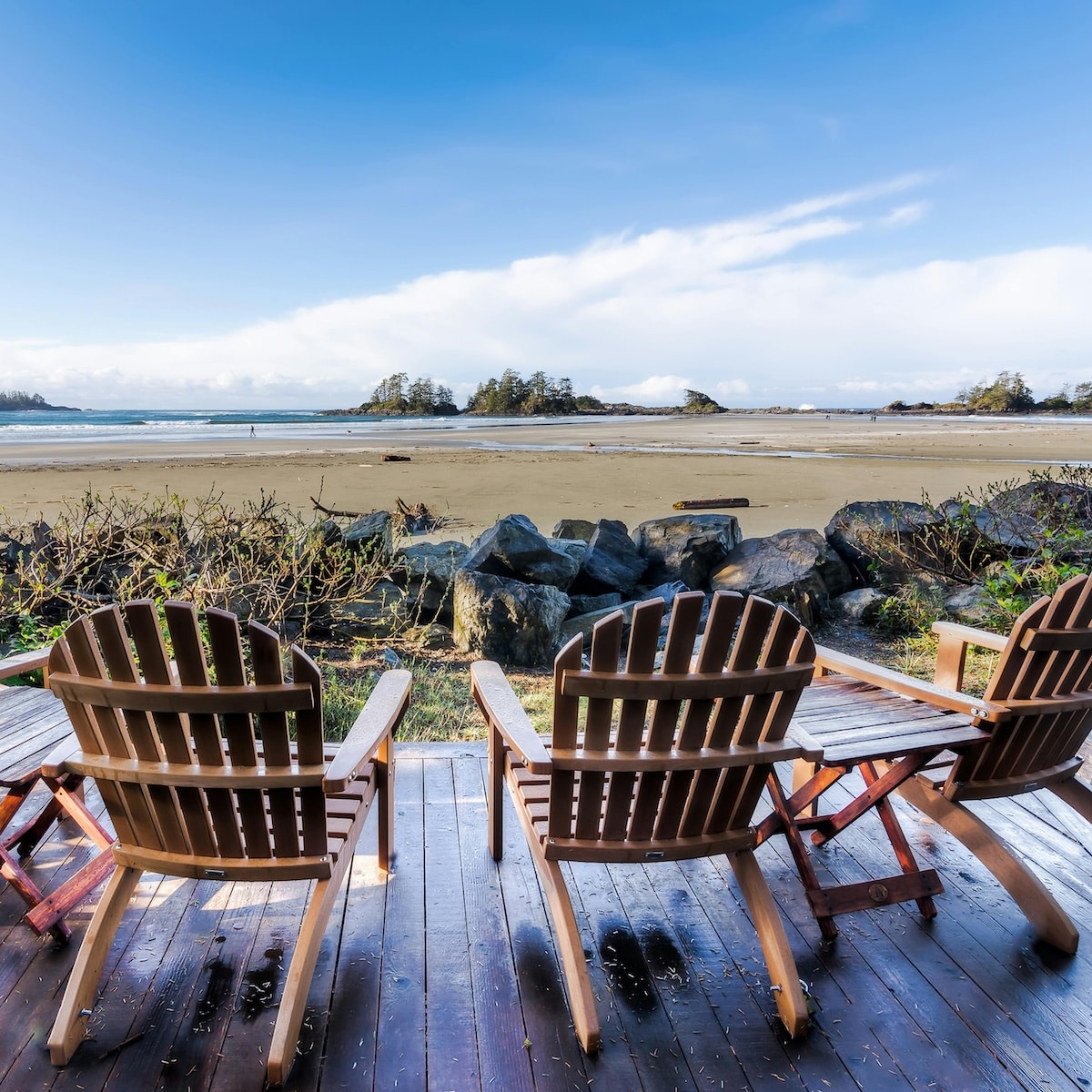
Consider adding comfortable seating, such as lounge chairs or a sectional, to create an inviting atmosphere.
Include cushions and throws to enhance comfort and create a cozy, homely vibe.
Think about including functional pieces like side tables for drinks or a dining table for alfresco meals.
If you plan on using the veranda for entertaining, consider incorporating a built-in bar or an outdoor kitchen.
Lighting is important for creating the right ambiance, so add outdoor lighting options like string lights, lanterns, or wall-mounted fixtures.
Incorporate Shade and Protection from the Elements
Since your veranda will be exposed to the sun, wind, and possibly rain, it’s important to provide some form of shade and protection from the elements.
Consider adding a pergola or a retractable awning to shield the space from direct sunlight.
These options allow you to enjoy the outdoors comfortably during hot summer days without feeling overheated.
You can use screens or outdoor curtains to protect the space from wind or insects. These additions make your veranda more versatile, allowing you to enjoy the space in different weather conditions.
Installing a ceiling fan can improve air circulation, helping keep the space cooler during warmer months.
Balance Aesthetics with Practicality
While your veranda should be visually appealing, it’s just as important that it serves a functional purpose. Focus on creating a design that balances aesthetics with practicality.
For example, choose furniture that is both stylish and comfortable, while ensuring that it’s durable enough for outdoor use.
Consider the layout and flow of the space. A well-organised veranda will be easy to navigate, with clear areas for seating, dining, and other activities.
Keep the design cohesive by using a consistent color palette and materials throughout the space, ensuring that the veranda feels like an integrated part of the property.
Ensure Accessibility and Safety
When designing a veranda, it’s important to ensure that it’s accessible and safe for all users. Make sure the steps leading up to the veranda are sturdy and easy to navigate.
If your property has steep slopes or uneven terrain, consider adding ramps or handrails for added safety.
If you plan on adding a railing to your veranda, be sure that it’s both stylish and secure. Railings can add an extra layer of safety, especially for families with young children or pets.
Choose a design that complements the veranda's style while providing adequate protection from the elements.
Add Personal Touches
To make your veranda feel like a true extension of your home, incorporate personal touches that reflect your style. This could include adding potted plants, decorative accessories, or artwork.
Incorporating natural elements like plants and flowers can enhance the connection between your veranda and the surrounding environment.
If you enjoy outdoor cooking, consider adding a grill or fire pit to make the space more functional for cooking and gathering.
These personal touches make the veranda more enjoyable and create a unique, welcoming atmosphere that suits your lifestyle.
- Parents Are Prioritising Breathable, Sustainable Fabrics For Children's Seasonal Sleepwear
- Our Homemade Christmas Printables, Made With AI: What Worked, What Didn't, and What I'm Saving for Next Year
- At-Home vs. In-Lounge IV Therapy in the Hudson Valley: Which Makes More Sense?
- Can Passengers Pursue Compensation After a Car Accident?




Designing a practical veranda for your waterfront property involves careful consideration of location, materials, functionality, and aesthetics.
By prioritizing comfort, durability, and accessibility, you can create a space that enhances your outdoor living experience while complementing the natural beauty of your surroundings.
Whether you're relaxing with a book, hosting a dinner party, or simply enjoying the view, your veranda will become a cherished space for years to come.





Leave a Reply