

Intersections are the most complex points on any road, acting as the primary meeting place for vehicles travelling in every possible direction.
These spaces require a high level of coordination and strict adherence to signals to ensure public safety.
However, the predictable rhythm of traffic is often disrupted by a sudden signal change during a busy afternoon commute.
The moment a light changes, drivers are forced to make a split-second decision that can have life-altering consequences for everyone involved.
There is a psychological tension between the desire to maintain momentum and the legal requirement to stop for safety.
This brief window of uncertainty is where many catastrophic errors are made daily by even the most experienced motorists.
Misunderstandings about the meaning of specific signal phases lead to a high frequency of side-impact collisions and rear-end strikes.
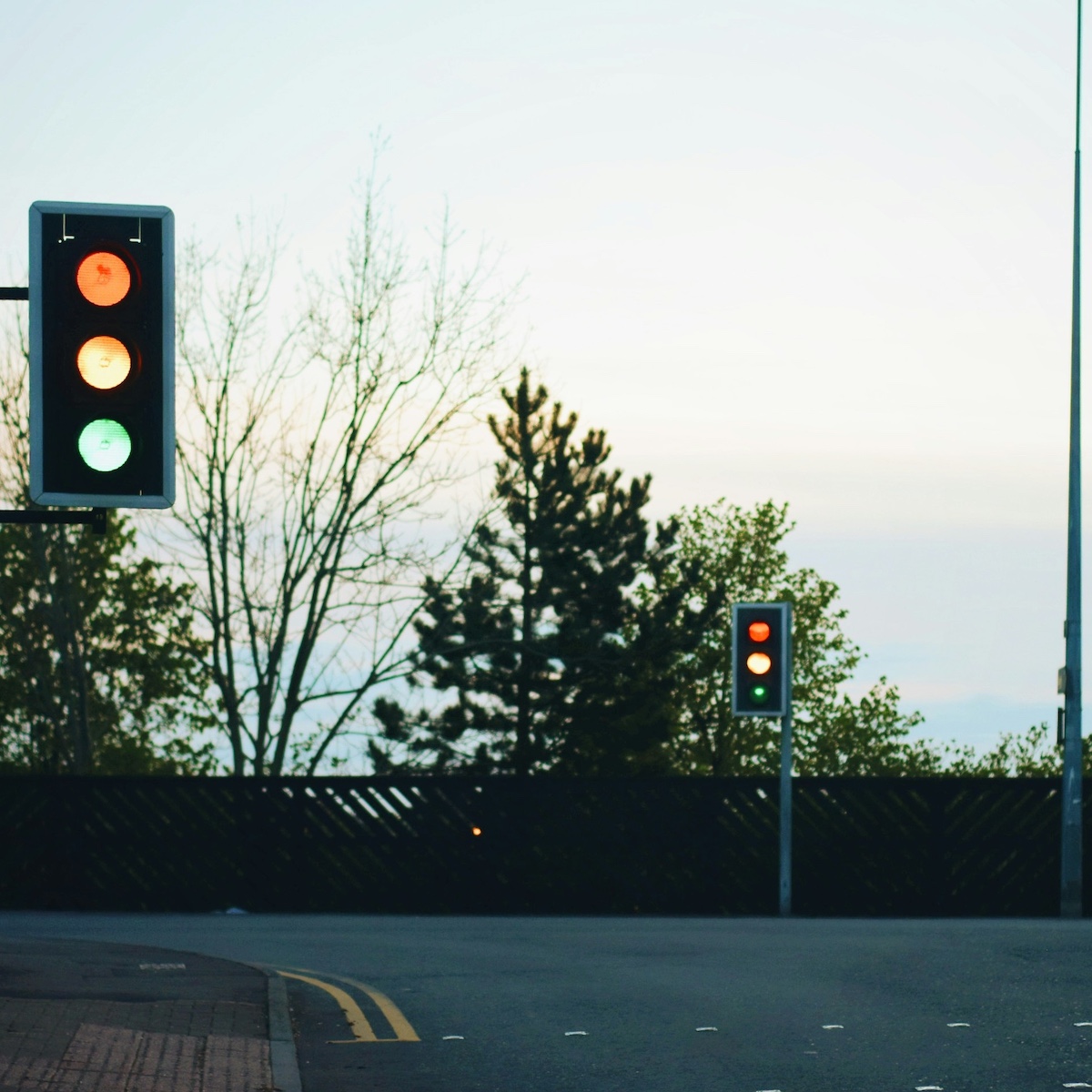
Navigating the confusion behind a red and yellow light is a critical skill for avoiding a dangerous and costly intersection crash today.
Understanding these rules ensures a much safer journey through the city for every person sharing the pavement.
Jump to:
How Drivers Interpret Yellow Lights
Approaching a yellow light elicits diverse interpretations among drivers, depending on their personality and current level of hurry.
Some see the amber glow as a clear directive to prepare for a stop and begin applying the brakes immediately.
For these cautious individuals, the goal is to avoid being caught in the intersection when the signal finally changes.
Other motorists view the same signal as a challenge to accelerate and beat the coming red phase before it officially begins.
They assume that as long as their front tires cross the line before the change, they are legally in the right.
This aggressive interpretation creates a significant risk for those in the opposing lanes who are already starting their own movement.
The lack of a universal standard for driver behavior during this transition leads to unpredictable and hazardous interactions at every busy corner.
When one driver stops abruptly while the person behind them accelerates, a collision is almost inevitable.
These differing assumptions are the root cause of many local disputes regarding fault after a serious and costly incident.
Timing, Speed, and Reaction Distance
The physics of stopping a vehicle at an intersection involves a complex calculation of speed, reaction time, and available braking distance.
At forty miles per hour, a car travels a significant distance in the single second it takes for a driver to move their foot to the brake.
This lag is often underestimated during the daily commute by many people.
Signal timing is meticulously designed by engineers to provide enough of a window for vehicles to clear the area safely before the cross-traffic begins.
However, if a driver is traveling above the speed limit, the allotted yellow phase may not be sufficient for a safe stop.
This creates a "dilemma zone" where no choice is perfectly safe for the driver.
Braking too hard can cause a loss of control or a rear-end impact, while continuing forward risks a high-speed T-bone collision.
Modern vehicle safety systems can assist, but they cannot overcome the basic laws of motion and momentum.
Understanding these physical limits is essential for every person behind the wheel to stay safe and avoid a crash.
Conflicting Driver Expectations
Conflict points at intersections are multiplied when opposing traffic flows are forced to share the same space during a signal change.
Left-turning vehicles are particularly vulnerable, as they often assume oncoming traffic will stop at a yellow light.
This miscalculation is a primary trigger for severe side-impact crashes that cause significant harm to everyone.
Pedestrians and cyclists also enter the mix, often starting their crossing the moment the light changes in their favor.
If a driver is rushing to beat a red light, they may not see a person who has already stepped into the crosswalk.
This creates a tragic scenario that is entirely avoidable with a bit of patience and awareness.
The unpredictability of other drivers is the greatest hazard in these high-traffic environments where everyone is focused on their own schedule.
When multiple parties make conflicting decisions at the same moment, the safety of the entire intersection collapses. Respecting the right of way is the only way to prevent disaster and ensure everyone arrives home safely.
Determining Fault After the Crash
Determining legal liability after an intersection crash requires a meticulous look at signal timing and driver behavior in the seconds before impact.
Investigators often use data from red light cameras and onboard vehicle computers to establish a factual timeline of the event.
This objective data is far more reliable than conflicting witness statements taken at the scene.
They examine whether the driver had enough time to stop safely or if they intentionally accelerated to beat the signal.
If a driver entered the intersection after the light turned red, the liability is usually clear and undeniable.
However, yellow-light cases often involve a more nuanced and complex legal analysis of the specific speeds and distances involved.
Witnesses provide a human perspective on the event, but their memories of signal colors are notoriously unreliable during a high-stress moment.
Forensic reconstruction of the crash forces and skid marks helps to fill in the gaps and provide a clearer picture. E
stablishing fault is a data-driven process that determines the outcome of the entire case.
Conclusion
Summarizing the challenges of intersection safety highlights the need for a higher level of caution and patience from every driver.
The transition of a signal is not a suggestion but a critical directive that must be followed to protect the lives of everyone.
Safety depends on consistent and predictable behavior from every person sharing the local road.
By acknowledging the physical limits of their vehicles and the unpredictability of others, drivers can make better choices at every corner.
Taking an extra second to confirm that the path is clear before proceeding can prevent most common intersection accidents. Respecting the rules of the road ensures a safer community for all families in the area.
- Parents Are Prioritising Breathable, Sustainable Fabrics For Children's Seasonal Sleepwear
- Our Homemade Christmas Printables, Made With AI: What Worked, What Didn't, and What I'm Saving for Next Year
- At-Home vs. In-Lounge IV Therapy in the Hudson Valley: Which Makes More Sense?
- Can Passengers Pursue Compensation After a Car Accident?




Ultimately, the goal is to create an environment where every person can navigate the city without the fear of a sudden and violent impact.
Staying informed about the risks and the laws allows for a more confident and secure journey.
Intersection safety is a shared responsibility that requires effort and patience from every single driver today.





Leave a Reply