

What’s the first thing you remember learning as a kid? Maybe it was how to tie your shoes or how to hold a crayon. Now think about how those moments shaped the way you approach challenges today.
From classrooms in Lawrence Township to neighborhood playgrounds, early learning lays the foundation for how we think, connect, and solve problems, not just in childhood, but throughout our lives.
Jump to:
The Science Behind Early Learning
Neuroscience has long confirmed what parents have known instinctively: the brain develops rapidly in the early years. In fact, by age five, the brain is 90% formed.
This period isn’t just about preparing kids for kindergarten; it’s about setting up their emotional, social, and cognitive toolkit for the long haul.
Children who have rich, responsive learning environments early on are more likely to succeed academically, in relationships, and even in future careers.
Think of it this way: early experiences don’t just get stored in memory, they shape the architecture of the brain.
That’s why reading with toddlers, engaging in imaginative play, and encouraging exploration matter far more than we sometimes give credit for. These aren’t just sweet moments; they’re neural investments.
Social Skills Start with Sandbox Negotiations
We tend to picture learning as rows of desks and neat worksheets, but many of life’s most critical lessons begin when a child negotiates a turn at the slide.
Conflict resolution, empathy, patience, and sharing all begin on playgrounds and in classrooms where structured interaction is balanced with free play.
In Lawrence Township preschool classrooms encourage children to work together on small group tasks, express their feelings constructively, and find creative ways to collaborate.
The beauty is that while they think they’re just building a block tower, they’re actually building the skills they’ll use in college group projects, workplace meetings, and community organizing.
Teachers act as quiet facilitators, guiding without micromanaging. That blend of freedom and structure teaches kids how to function in society without losing their individuality.
Emotional Intelligence Takes Root Early
A child’s ability to recognise and regulate emotions isn’t just good for making friends; it’s crucial for long-term mental health.
Children who are taught to name their feelings, rather than act them out, tend to grow into adults who can manage stress and avoid emotional burnout.
We’re seeing the consequences of ignoring this in today’s mental health crisis.
A generation that was told to “tough it out” is now grappling with anxiety and depression at alarming rates.
In contrast, early learning programs that include mindfulness, emotional vocabulary, and gentle boundaries give kids lifelong coping strategies.
The earlier we teach kids it’s okay to feel, and how to handle those feelings, the better prepared they are for adulthood’s curveballs.
Language Builds More Than Vocabulary
We often associate early language development with literacy tests and spelling bees, but it goes deeper than that.
When children are exposed to a language-rich environment through storytelling, conversation, and songs, they gain the tools to express their thoughts clearly, ask questions, and connect with others.
This is about more than reading books. It’s about the way caregivers and teachers talk to children: asking open-ended questions, encouraging storytelling, and responding with genuine interest.
These conversations develop critical thinking and communication skills that help children navigate future challenges, whether that’s writing a college essay or presenting in a boardroom.
Curiosity Fuels Lifelong Learning
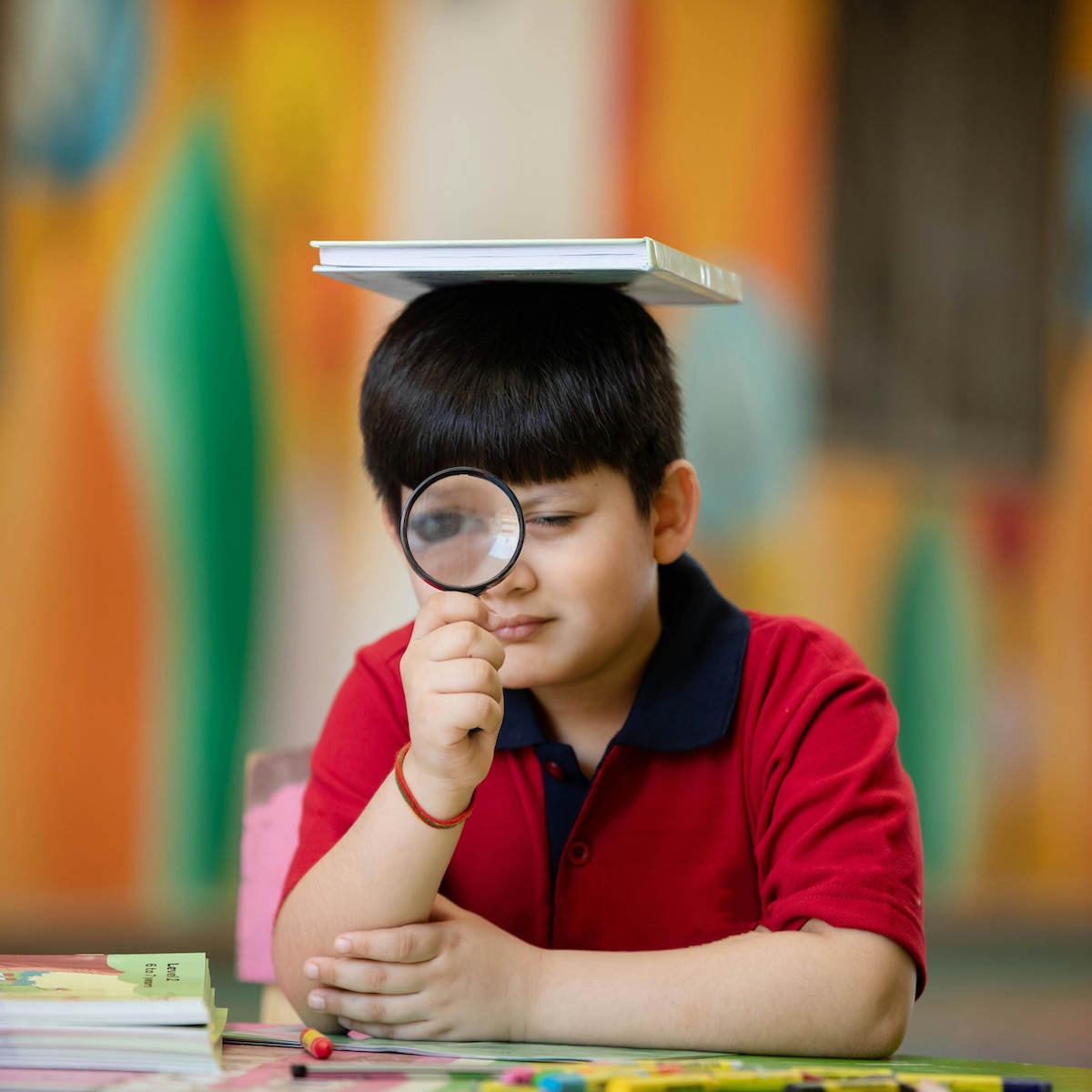
When a child asks “Why is the sky blue?” for the third time in a row, it’s tempting to give a quick answer or change the subject.
But nurturing that curiosity, however exhausting it may be, is one of the most powerful ways to shape a lifelong learner.
In a world where industries evolve quickly and jobs demand constant skill upgrades, curiosity has become a major asset.
Early learning programs that foster exploration, experimentation, and even failure teach kids not to fear the unknown.
They learn that not knowing something isn't a weakness, it’s a starting point. That mindset shift can make all the difference in a world where information is infinite, but motivation isn’t.
Societal Trends Are Changing the Stakes
Today’s parents face pressures that previous generations didn’t. Dual-income households, skyrocketing childcare costs, and the pandemic’s aftershocks have changed the early learning landscape.
These shifts make access to high-quality early education both more important and more challenging.
At the same time, there's growing recognition, among educators, employers, and policymakers, that early education isn't just a family matter. It's a societal investment.
Studies consistently show that children who attend quality early learning programs are less likely to drop out of school, commit crimes, or rely on government aid later in life.
It's not just about giving kids a head start; it's about reducing long-term costs for everyone.
Building Skills for an Unpredictable Future
Here’s the thing: we don’t know what jobs today’s toddlers will grow up to do. AI is reshaping industries, climate change is rewriting economies, and globalization is changing how we work.
What we do know is that kids will need to be adaptable, resilient, and able to collaborate across differences.
That’s where early learning shines. It teaches flexibility when blocks fall. It fosters grit when a puzzle doesn’t fit on the first try. It encourages compromise during pretend play negotiations.
These aren’t soft skills; they’re survival skills. And the sooner they’re practised, the more naturally they come later.
- Parents Are Prioritising Breathable, Sustainable Fabrics For Children's Seasonal Sleepwear
- Our Homemade Christmas Printables, Made With AI: What Worked, What Didn't, and What I'm Saving for Next Year
- At-Home vs. In-Lounge IV Therapy in the Hudson Valley: Which Makes More Sense?
- Can Passengers Pursue Compensation After a Car Accident?




It’s not about creating little geniuses. It’s about raising whole humans who can handle complexity without falling apart.
As parents, educators, and community members, we all play a role in shaping those first learning experiences.
The good news? Every song sung, question answered, and feeling validated adds to a child’s lifelong toolkit.
In the end, the impact of early learning isn’t measured just in report cards or test scores.
It’s visible in how someone listens during a heated conversation, adapts to a new job, or mentors someone else down the road.
Lifelong skills don’t start in college or at the first job interview; they start in the everyday moments of early childhood, quietly shaping the adults our kids will become.





Leave a Reply