

A good home feels like a place of comfort and security, but it needs regular care to stay that way. Small problems often appear harmless at first.
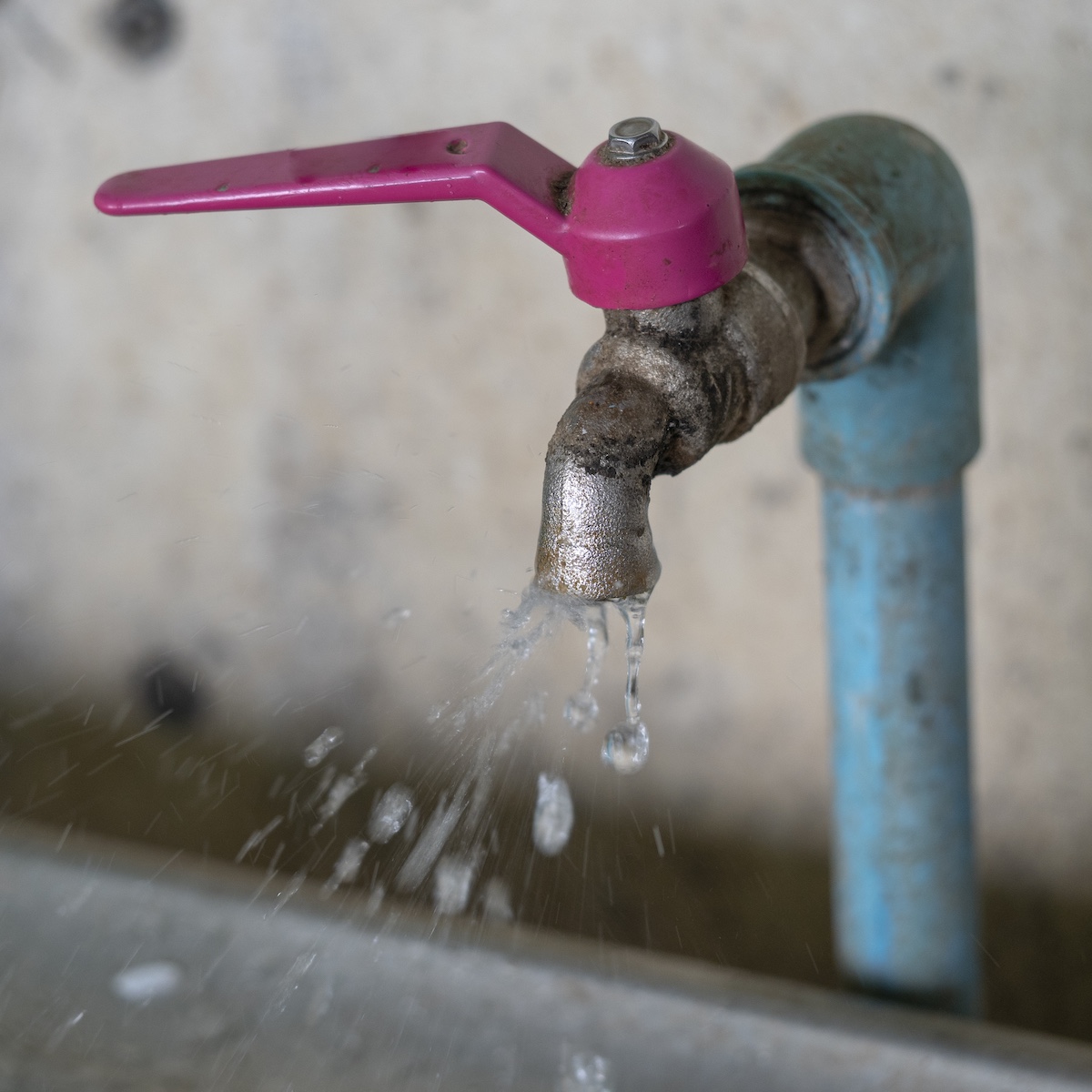
A dripping tap, a loose hinge, or a tiny crack can feel easy to ignore, and busy schedules make it tempting to put these jobs off.
Over time, however, those minor issues can grow into serious and expensive problems.
Jump to:
When Minor Problems Cause Bigger Damage
Minor faults rarely stay minor for long. A small roof leak, for example, can let water creep into walls and ceilings.
Moisture can weaken structures and damage insulation, and something as simple as a blocked or poorly aligned gutter can cause water to pool near the house.
That water can affect brickwork, foundations, and garden areas. These problems build slowly, which makes them easy to miss.
By the time damage becomes visible, repairs often cost much more than the original fix.
Ideally, you should regularly call in house maintenance services to check for issues.
Why Ignored Repairs Cost More
Small home issues often increase running costs long before major damage appears. A leaking tap can push water bills higher, and a faulty thermostat can cause heating systems to work harder than needed.
These changes happen gradually, so they often go unnoticed. Delaying repairs usually turns a simple job into a bigger one. What starts as a quick fix can turn into a full replacement. So, procrastination often costs more than dealing with problems early.
Damage To Personal Belongings
Unresolved home issues can also affect personal possessions. Water leaks can damage furniture, flooring, and electrical items, or even damage doors to the point that you need a local locksmith to get in and out.
Once water reaches these areas, repairs become difficult or impossible. And remember, some losses carry more than a financial cost. Damage to sentimental items can be heartbreaking.
In severe cases, structural problems can also create safety risks for people living in the home.
Health Risks Inside The Home
Ignoring maintenance can affect health as well as comfort. Damp areas encourage mould and mildew.
These conditions reduce air quality and can trigger breathing problems. Children and older adults often feel the effects first.
Pests also take advantage of neglected spaces. Gaps, damp areas, and weakened structures attract insects and rodents.
Electrical faults add another layer of risk. Damaged wiring or faulty appliances can increase the chance of fire.
Why Regular Inspections Matter
Regular checks help spot problems early. Home inspections allow owners to fix small issues before they grow.
Preventive care usually costs less and causes less disruption than major repairs.
Routine attention also helps maintain a safe living environment. A well-cared-for home stays more comfortable and easier to manage over time.
Conclusion
Small home issues deserve attention, even when they seem minor. Early action reduces repair costs and protects belongings.
Regular maintenance also supports health and safety for everyone in the household.
- Parents Are Prioritising Breathable, Sustainable Fabrics For Children's Seasonal Sleepwear
- Our Homemade Christmas Printables, Made With AI: What Worked, What Didn't, and What I'm Saving for Next Year
- At-Home vs. In-Lounge IV Therapy in the Hudson Valley: Which Makes More Sense?
- Can Passengers Pursue Compensation After a Car Accident?




Proactive care may feel inconvenient at times, but it saves stress later. Looking after little problems now helps avoid much bigger ones in the future.





Leave a Reply