

A woman’s body doesn’t stay the same, and it isn’t meant to. With age comes experience, growth, and change, and the body reflects that journey in visible and invisible ways.
Yet for many women in places like Beverly Hills, body changes are something they’re expected to ignore, downplay, or quietly “fix” without discussion.
The truth is simpler and more human: bodies change, and how women respond to those changes is deeply personal. Some embrace them fully.
Others choose supportive treatments or adjustments that help them feel comfortable again. Neither path is wrong. What matters is intention, awareness, and choice.
That said, below are some of the most common body changes women experience with age, along with the thoughtful ways they learn to embrace them. So, without any further delay, let’s dive into the article to know!
Jump to:
1. Changes in Skin: Texture, Elasticity, and Tone
Skin is often the first place where aging becomes visible. Over time, collagen production slows, moisture retention decreases, and skin loses some of its firmness.
Fine lines, dryness, and uneven texture can appear around the face, neck, arms, and hands, areas constantly exposed to environmental factors.
For many women, these changes can feel confronting at first, especially in a culture that equates youth with beauty. However, as perspective shifts, so does the relationship with skin.
Women often embrace skin changes by:
- Moving away from harsh products toward nourishing skincare.
- Focusing on skin health rather than flaw correction.
- Understanding that expression lines reflect experience, not imperfection.
Instead of fighting every visible change, many women learn to appreciate skin as something that protects, heals, and carries their story. This mindset shift transforms skincare from a battle into a form of self-respect.
2. Changes in Breasts: Shape, Firmness, and Position
Breasts naturally change with age due to gravity, hormonal shifts, pregnancy, breastfeeding, and weight fluctuations.
Loss of firmness or sagging can occur gradually, sometimes altering how clothing fits or how women feel about their posture and silhouette.
For some women, these changes feel neutral. For others, they impact confidence in subtle but persistent ways.
It is especially seen when their external appearance no longer matches how they feel internally.
Women respond to breast changes in different ways, such as:
- Choosing supportive undergarments that prioritize comfort.
- Adjusting wardrobe choices to regain confidence.
- Exploring personal options that align with their self-image.
Moreover, women who feel physically or emotionally affected by these changes consider specialist-led procedures like a breast lift in Beverly Hills with Dr. Firouz. Rather than being about reversing age, these decisions are often about restoring balance, comfort, and confidence in one’s body.
The key is choice. Whether a woman embraces natural changes or seeks professional support, the decision is valid when it comes from personal intention, not external pressure.
3. Changes in Body Shape and Fat Distribution
As metabolism slows and hormone levels fluctuate, many women notice changes in body shape, particularly around the abdomen, hips, and thighs. Even with consistent eating habits and physical activity, the body may respond differently than it did in earlier years.
This shift can be frustrating, especially when comparison to past versions of oneself creeps in. Over time, however, many women recognize that resisting natural changes often creates more stress than acceptance.
Common ways women embrace these changes include:
- Shifting focus from weight to strength and mobility.
- Choosing clothing that fits their current body comfortably.
- Letting go of unrealistic expectations shaped by earlier life stages.
Body shape changes don’t signal failure. They reflect biological transitions and lived experience. Embracing them often brings a greater sense of peace and self-trust.
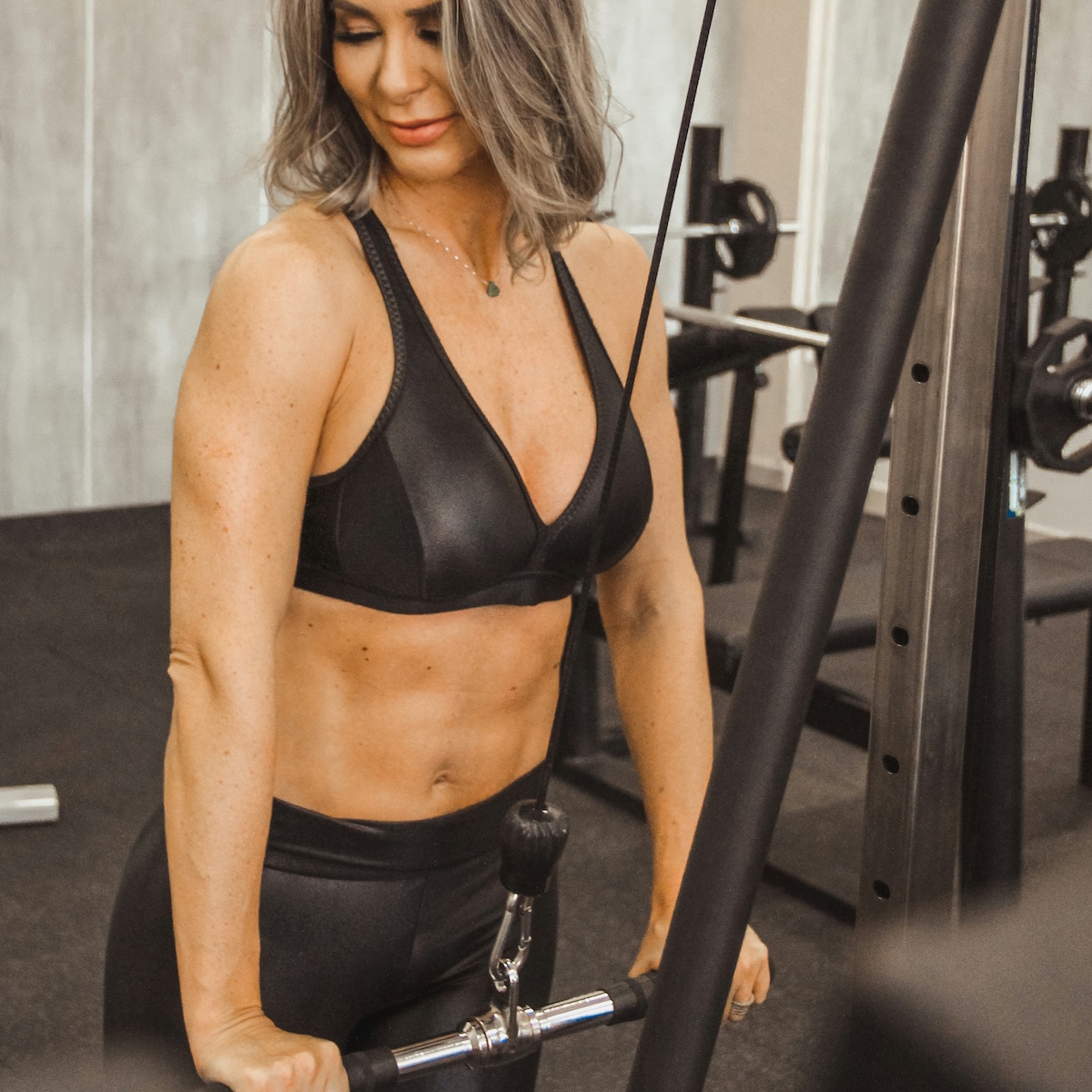
4. Changes in Muscle Tone, Strength, and Recovery
Muscle mass and tone naturally decrease with age, especially if strength training hasn’t been a regular habit. Women may notice reduced firmness, slower recovery after activity, or increased joint stiffness.
Rather than pushing harder or ignoring these signals, many women begin working more intentionally with their bodies.
They often adapt by:
- Incorporating gentle strength and flexibility routines.
- Prioritizing functional movement over appearance.
- Respecting rest and recovery as essential, not optional.
This phase often deepens appreciation for the body’s capabilities. Instead of focusing on how the body looks, women begin valuing what it allows them to do, move, support, and carry them through daily life.
Final Thoughts
Body changes with age are inevitable, but discomfort and self-criticism don’t have to be. Whether it’s skin, breasts, body shape, or strength, each change offers an opportunity to reconnect with the body in a more compassionate way.
- Parents Are Prioritising Breathable, Sustainable Fabrics For Children's Seasonal Sleepwear
- Our Homemade Christmas Printables, Made With AI: What Worked, What Didn't, and What I'm Saving for Next Year
- At-Home vs. In-Lounge IV Therapy in the Hudson Valley: Which Makes More Sense?
- Can Passengers Pursue Compensation After a Car Accident?




Embracing these changes doesn’t mean giving up; it means choosing awareness, confidence, and self-respect.
And ultimately, the most powerful shift isn’t physical at all; it’s learning to feel at home in your body at every stage of life.





Leave a Reply