

When the power goes out, the clock starts ticking for your refrigerator.
Most people think cold chain storage is a technical term used in hospitals or large warehouses. In reality, it affects anyone who relies on a fridge to keep food, infant formula, or medication safe. A sudden power outage can turn a well-stocked freezer into a total loss in just a few hours.
This guide explains how these disruptions affect your home or small business and what you can do to protect your supplies before the grid fails.
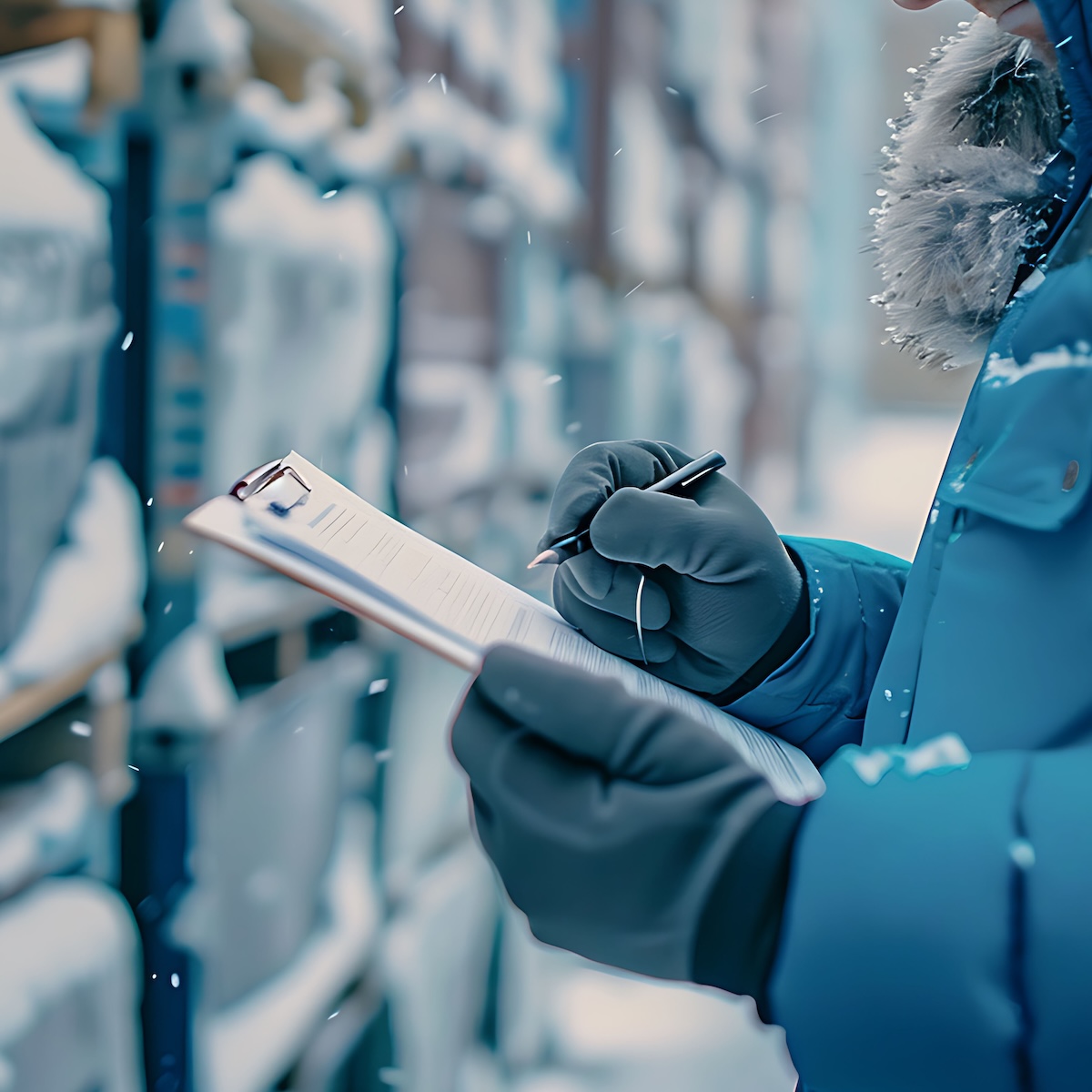
Why Cold Storage Matters More Than You Think
Cold storage preserves groceries and keeps infant formula fresh. For a person with diabetes, it keeps insulin stable. In schools and small clinics, refrigeration ensures that lunches and vaccines remain safe for the community.
Even a brief rise in temperature can ruin sensitive items. This is not just about a warm soda; it is about preventing the waste of life-saving medicine and expensive food supplies.
What Happens When the Power Goes Out
Without the cooling cycle, the insulated walls of your fridge begin to fail. As the internal temperature rises above 40°F, bacteria such as Salmonella and E. coli begin to multiply rapidly.
According to USDA food safety guidelines, a refrigerator can only keep food safe for about 4 hours during a power outage. A full freezer might last 48 hours if the door remains shut.
For a small business like a bakery, a six-hour outage during a summer heatwave can lead to a total loss of dairy products and dough. In these settings, the financial hit is immediate and often reaches thousands of dollars.
Warning Signs of Spoiled Food or Medicine
To know if your food or medicine is still safe, you need more than just a "sniff test." Many dangerous bacteria do not change how food looks, smells, or tastes. Use these signs instead:
- Check the Texture: If frozen meat feels soft or "squishy" and has no ice crystals left, do not refreeze it.
- Watch the Clock and Temperature: If your fridge thermometer shows a temperature above 40°F (4°C) for more than two hours, throw away the perishables.
- Medication Changes: Some medications, like certain liquid antibiotics or insulin, may become cloudy or change color if they get too warm.
- Surface Film: Check for a slick or slimy film on deli meats and soft cheeses. This is a common sign of bacterial growth.
How to Prepare Before the Grid Fails
Preparation is the only way to handle a sudden blackout. You can take these steps to prevent a total loss of inventory:
- Install Thermometers: Place an appliance thermometer in both the fridge and freezer. This is the only way to know if the food is truly safe when the lights come back on.
- Freeze Water Jugs: Fill plastic containers with water and freeze them. They act as "ice bricks" that keep the temperature down during an outage.
- Organize Critical Items: Group essential items like breastmilk or medicine together. If you must move them to a cooler, you can find them in seconds without leaving the door open.
- Minimize Door Openings: Every time you open the door, the internal temperature rises significantly. Inform your family or staff to keep the doors sealed until the power returns.
The Hidden Cost of Spoiled Inventory
A power loss creates an immediate financial hit to your supply budget. For a family, a total loss of freezer contents might mean losing $300 to $500 in groceries. For a small business like a bakery or cafe, that number jumps to the thousands when you factor in:
- Lost Ingredients: High-value items like butter, cream, and meat.
- Lost Labor: You lose the value of the hours spent on food that is no longer safe to serve.
- Missed Sales: If your shelves are empty, you cannot open for business the next day.
When to Consider Emergency Cold Storage Solutions
Using emergency cold storage during outages is becoming standard practice in disaster recovery for schools and small businesses.
These temporary refrigeration units provide a stable environment when the local power grid fails. They bridge the gap between a blackout and a return to normal operations, ensuring communities do not lose vital supplies such as food or medicine during a crisis.
Final Thoughts
Power outages can happen at any time, but knowing how to respond can prevent food loss and protect your health.
By monitoring the "four-hour window" and using thermometers to track the 40°F (4°C) threshold, you can make informed decisions about food safety. Simple steps like grouping high-risk items and increasing your freezer's thermal mass provide hours of extra protection.
These actions ensure you are prepared to protect your household or business inventory before the next outage occurs.





Leave a Reply