

Abdominal fat does not behave the same way for everyone. Some people maintain a stable weight, stay active, and still notice that the lower stomach does not change much.
This is especially common over time. The body shifts. Fat distribution changes. Certain areas become harder to affect with exercise alone.
Liposuction is often explored at this stage, but not as a weight-loss solution. Instead, to target specific fat deposits that do not respond to lifestyle efforts.
For the right candidate, liposuction can help reshape the abdominal area when other options have already been tried.
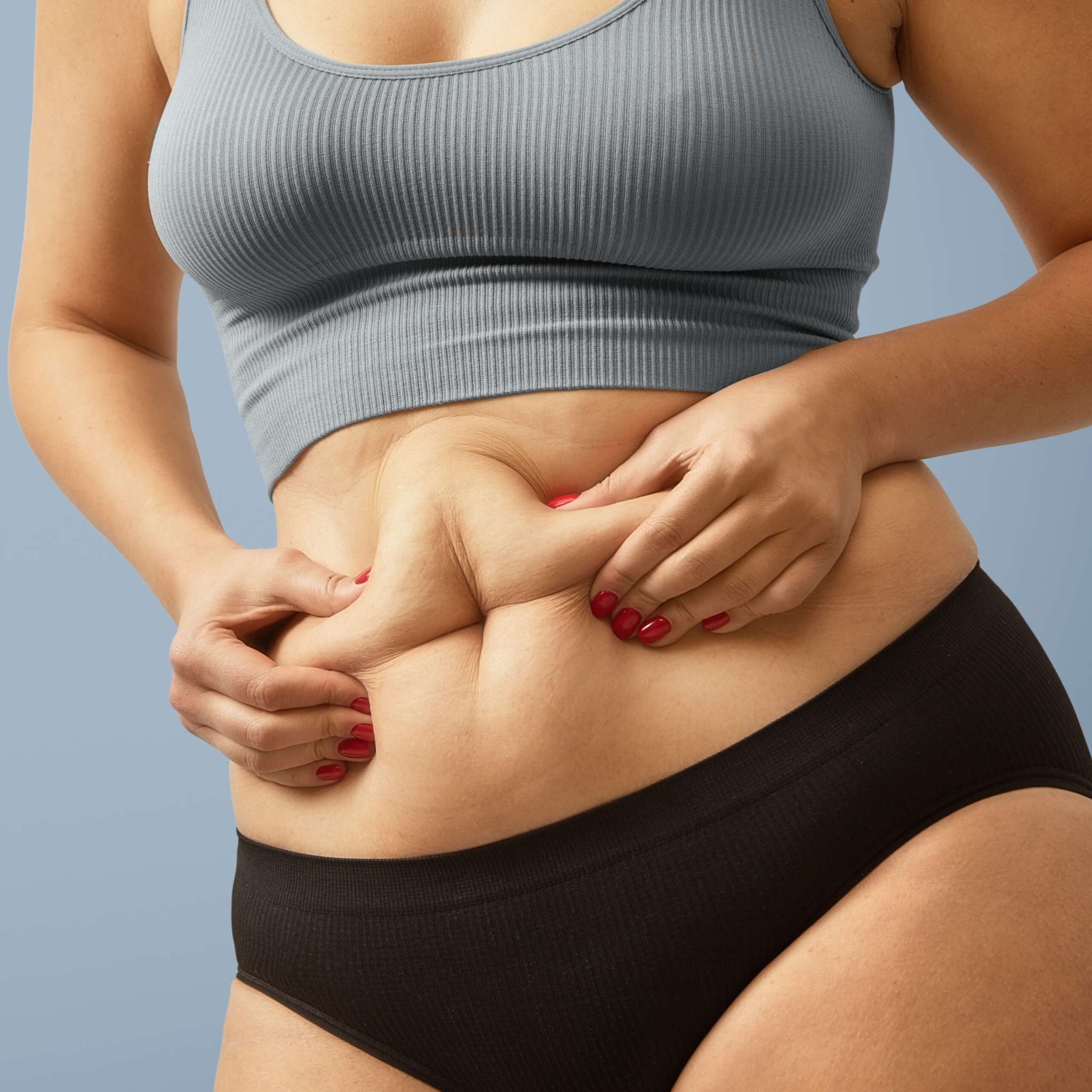
Who is an Ideal Candidate for Liposuction to Remove Stubborn Abdominal Fat
Not everyone is a good candidate for abdominal liposuction. Surgeons look at several factors beyond the number on the scale. The best results tend to come from patients who meet specific physical and health-related criteria.
- Stable Weight: Liposuction works best for people who are close to their goal weight and have maintained it for some time. It is not meant to replace weight-loss efforts.
- Skin Elasticity is Key: Good skin elasticity allows the skin to contract smoothly after fat removal. When skin quality is poor, fat removal alone may not create a smooth result.
- General Health: Candidates should be in overall good health, without conditions that could interfere with healing. Medical clearance is an important step before surgery.
- Realistic Expectations: Liposuction improves shape and contour, not perfection. Understanding what the procedure can and cannot do is important for satisfaction.
Three Common Liposuction Techniques Used to Treat Abdominal Fat
Modern liposuction is not a single procedure. Over time, different techniques have been developed to remove fat more safely and effectively. Understanding these techniques can help explain why one approach may be recommended over another.
Technique 1: Tumescent/Suction-Assisted Liposuction (SAL)
Tumescent or suction-assisted liposuction is the most traditional and widely used method. Before fat removal begins, a sterile fluid mixture is injected into the treatment area. This fluid helps reduce bleeding, numb the area, and make fat easier to remove. The surgeon then uses controlled suction to remove fat through a thin tube.
Pros:
- Well-established technique with a long safety record
- Effective for many types of abdominal fat
- Allows precise contouring in experienced hands
Cons:
- Does not improve loose skin on its own
- Results depend heavily on surgeon skill and technique
Technique 2: Ultrasonic-Assisted Liposuction (UAL)
Ultrasonic-assisted liposuction uses sound wave energy to loosen fat cells before they are removed. Ultrasound energy helps break down denser or more fibrous fat, which is common in the abdomen, especially in patients who have had prior surgery or long-standing fat deposits.
Pros:
- Helpful for dense or stubborn abdominal fat
- Can make fat removal more controlled in certain cases
- Useful in areas with previous scar tissue
Cons:
- Slightly longer procedure time
- Requires careful handling to avoid heat-related tissue stress
Technique 3: Laser-Assisted Liposuction (LAL)
Laser-assisted liposuction uses laser energy to heat and soften fat before it is removed. The heat can also stimulate collagen in the surrounding tissue, which may help with mild skin tightening. This approach is often used for smaller treatment areas or patients with minimal excess fat.
Pros:
- Useful for smaller fat deposits
- May offer mild skin-tightening benefits
- Can result in smoother contours for select patients
Cons:
- Limited effectiveness for larger fat volumes
- Skin tightening is modest and not guaranteed
Recovery and Long-Term Maintenance After Abdominal Liposuction
Recovery and aftercare play a major role in how results look over time. When paired with healthy habits, proper recovery helps many patients restore a flatter, firmer abdomen that holds up long after swelling subsides.
- Compression Garments: Wearing compression garments helps control swelling and supports the healing tissues. They are usually worn for several weeks.
- Downtime: Most people return to light activities within days, but strenuous exercise should wait until cleared by the surgeon. Swelling can take weeks to fully settle.
- Maintenance: Weight stability matters. Remaining fat cells can still expand with weight gain, potentially affecting long-term results.
Final Thoughts
For people who are otherwise healthy and near their goal weight, liposuction can be a practical way to improve shape when lifestyle changes have already done most of the work.
The best outcomes come from careful evaluation, choosing the right technique, and understanding that results depend on what happens after the procedure as much as the procedure itself. Recovery, weight stability, and long-term habits all play a role in how results hold up.
When liposuction is approached thoughtfully and with realistic expectations, it can offer lasting contour improvement that fits naturally into everyday life.





Leave a Reply