

Winter can be hard on a house. Cold snaps stress plumbing, snow strains roofs, and short days mask minor issues that can lead to significant repairs.
A little prep now makes your home safer, warmer, and less costly to run when the temperature drops.
Jump to:
Winter Prep Starts With A Walkthrough
Begin with a slow lap around your home. Look for peeling caulk, cracked mortar, loose siding, and sagging gutters. Note where water may collect near the foundation, and regrade the soil or extend downspouts to direct meltwater away.
Inside, test smoke and carbon monoxide alarms and replace the batteries. Check that every window and door latches cleanly. If a room feels drafty, flag it for sealing work later this week.
Seal Out Drafts And Moisture
Air leaks make your furnace work harder. Use weatherstripping around doors and add rope caulk to window sashes. Foam gaskets under outlet covers on exterior walls help too.
In the attic, add insulation until you reach your region’s recommended R-value, and verify that the soffit and ridge vents are clear to ensure steady airflow.
Moisture is the hidden threat. A bead of exterior-grade caulk around hose bibs, utility penetrations, and light fixtures keeps water out.
In basements, run a dehumidifier until the relative humidity stays near 40 to 50 per cent.
Roof Risks In Snow Country
Your roof is your first shield against snow and ice. After the first storm, use a roof rake from the ground to pull heavy snow off the eaves. Never chip ice with tools that could damage shingles.
Many homeowners wonder how snow and ice affect your roof, especially when temperatures bounce above and below freezing.
The short answer is that snowmelt can refreeze at the cooler eaves, forming a dam that traps water behind it.
Keep the attic cold and ventilated so the roof temperature stays even from ridge to edge.
Spot Early Ice Dam Signs
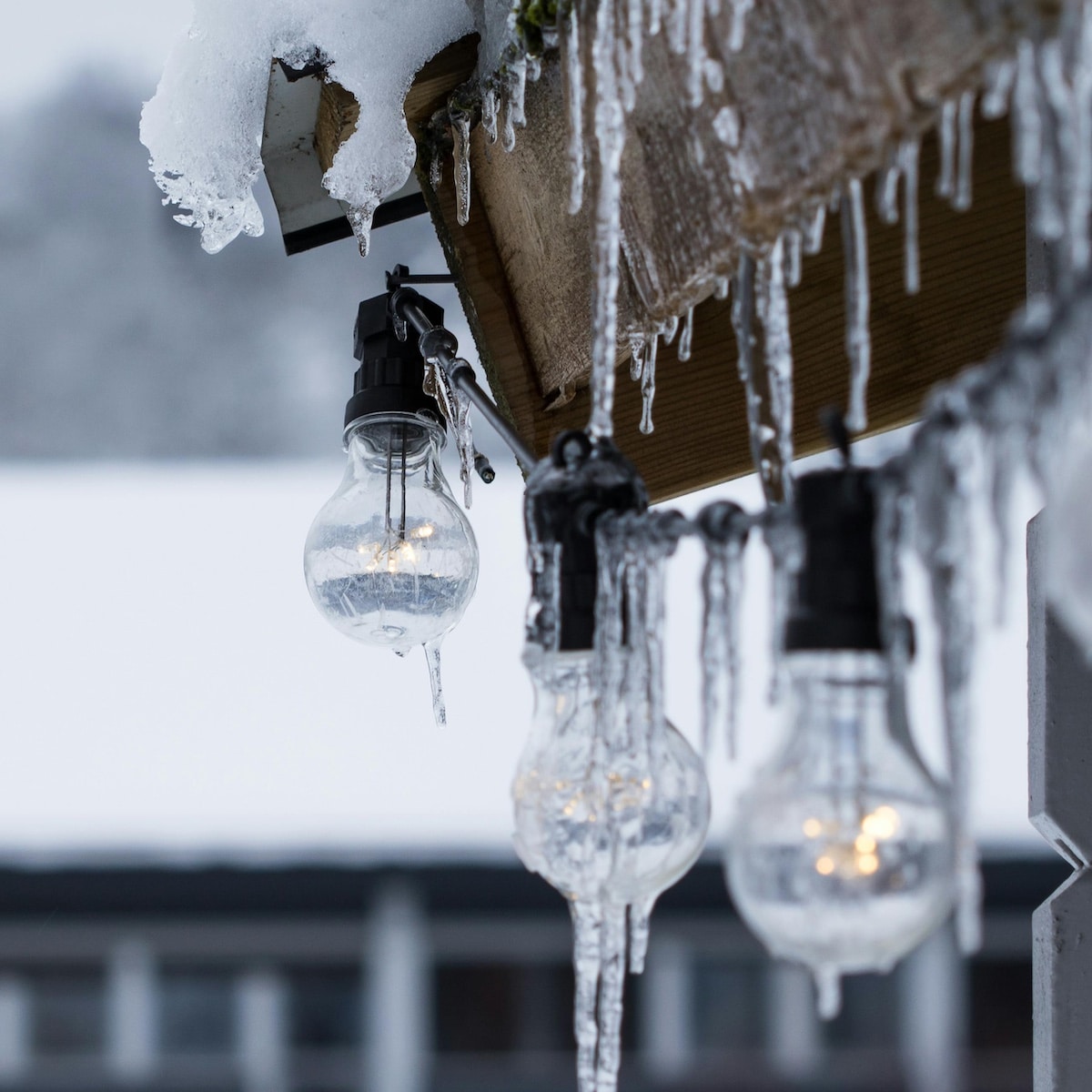
Look for thick icicles concentrated along the gutters, water stains on second-floor ceilings, or peeling paint near exterior walls.
A home advice piece from Homes and Gardens explains that a ridge of ice at the roof edge can block runoff, forcing meltwater back up under shingles, where it can leak inside.
Add baffles to keep insulation from blocking soffit vents, and consider a secondary ice-and-water shield under shingles when you next reroof.
🤖 Looking For An Answer?
Ask AI to summarise this post to see if the article answers your questions:
Protect Your Plumbing
Pipes are most vulnerable in unheated spaces like garages, crawlspaces, and exterior walls. Wrap exposed lines with foam sleeves and secure them with tape or zip ties.
On the coldest nights, a recent how-to from Tom’s Guide recommends letting faucets drip once the temperature nears 20°F to keep water moving and reduce the risk of freezing.
Close and drain outdoor spigots, then coil and store hoses.
Open cabinet doors under kitchen and bathroom sinks during cold spells so warm air can reach supply lines.
If a pipe does freeze, shut off the water at the main valve before thawing to avoid a sudden burst.
Manage Heat And Humidity Indoors
Have your furnace serviced before the deep freeze. Replace filters so air flows freely and rooms heat evenly.
Set a programmable thermostat to lower temperatures while you sleep or are away, then warm the house just before you return.
This can trim utility bills without sacrificing comfort.
Balance humidity for comfort and safety. Dry winter air can drop 30 per cent below and cause static shocks and nose irritation, but too much moisture leads to condensation on windows.
Aim for 35 to 45 per cent and use bath and kitchen exhaust fans during cooking and showers.
Quick Checks Before The First Freeze
- Test every exterior light and replace burnt bulbs for safer, ice-free walkways
- Stock ice melt that is safe for pets and concrete, plus a sturdy shovel
- Lubricate door locks and garage mechanisms to prevent sticking
- Reverse ceiling fans to push warm air down at low speed
- Verify you have a snow rake, spare furnace filters, and pipe insulation on hand
Keep Water Flowing Away From The House
Clean gutters and downspouts so meltwater can drain freely. Extend downspouts at least 4 to 6 feet from the foundation.
If you notice water pooling on sidewalks or driveways, use a broom to push it toward a drain before temperatures plunge.
This reduces slip hazards and prevents refreeze that can heave concrete.
If you rely on a sump pump, test it by pouring water into the pit and confirming it runs and discharges outside. A battery backup offers peace of mind during outages.
- Parents Are Prioritising Breathable, Sustainable Fabrics For Children's Seasonal Sleepwear
- Our Homemade Christmas Printables, Made With AI: What Worked, What Didn't, and What I'm Saving for Next Year
- At-Home vs. In-Lounge IV Therapy in the Hudson Valley: Which Makes More Sense?
- Can Passengers Pursue Compensation After a Car Accident?




A little preparation goes a long way when cold weather sets in. By tightening your home's shell, managing moisture, and staying ahead of ice and snow, you reduce wear and tear on your house and avoid surprise repairs. Winter is easier when your home is ready for it.





Leave a Reply