

Are you overwhelmed by the options when it comes to choosing a travel system stroller for your baby? Walking into a baby store or browsing online can feel like navigating a maze of brands, features, and conflicting reviews. Every parent wants to make the right choice, but with so many travel systems on the market, each claiming to be the best, the decision becomes increasingly difficult.
Finding the best travel system based on reviews and ratings is just the first challenge. You'll encounter countless star ratings, customer testimonials, and expert opinions that sometimes contradict each other. Beyond that, understanding the appropriate age range for using a travel system adds another layer of complexity. Can you use it from birth? When should you transition out of it? These questions are crucial for your baby's safety and comfort, yet answers aren't always straightforward. This guide cuts through the confusion by providing clear, practical information about travel system strollers, helping you make a confident decision that works for your family's unique needs and lifestyle.
Understanding the Importance of a Travel System Stroller
A travel system stroller transforms how parents navigate daily life with an infant by seamlessly combining a car seat and stroller into one integrated solution. The primary advantage lies in its convenience, you can move your sleeping baby from car to stroller without disturbing them, eliminating the stress of waking a peacefully resting infant during errands or appointments. This click-and-go functionality saves precious time and preserves your sanity during those early months when every minute of baby's sleep matters.
Beyond convenience, travel systems offer significant cost savings compared to purchasing a car seat and stroller separately. They're designed to work together perfectly, ensuring compatibility and eliminating guesswork about whether components will fit properly. For babies, the consistent positioning between car seat and stroller provides familiar comfort and support, which can mean fewer fussy transitions. The car seat component typically accommodates newborns from birth, giving parents immediate mobility with proper head and neck support for fragile infants.
When evaluating travel systems, prioritize the car seat's safety ratings and ease of installation in your vehicle. The stroller frame should feel sturdy yet lightweight enough for you to lift and maneuver comfortably. Consider the folding mechanism, can you collapse it with one hand while holding your baby? Storage capacity matters too, since you'll need space for diaper bags and shopping. Finally, examine the wheel quality and suspension system, as these determine how smoothly the stroller handles different terrains, from mall floors to sidewalk cracks.
Top Travel System Strollers: A Detailed Review
The market offers diverse travel system options, each designed to address different parenting priorities and lifestyles. High-performing systems distinguish themselves through thoughtful engineering that balances infant safety, parent convenience, and long-term durability. When examining top-rated options, you'll notice that premium systems typically feature car seats with advanced side-impact protection, energy-absorbing foam, and anti-rebound bars that minimize movement during collisions. The stroller components in leading systems incorporate all-wheel suspension for smooth rides, adjustable handlebars to accommodate different parent heights, and oversized canopies with UPF protection to shield babies from harsh sunlight.
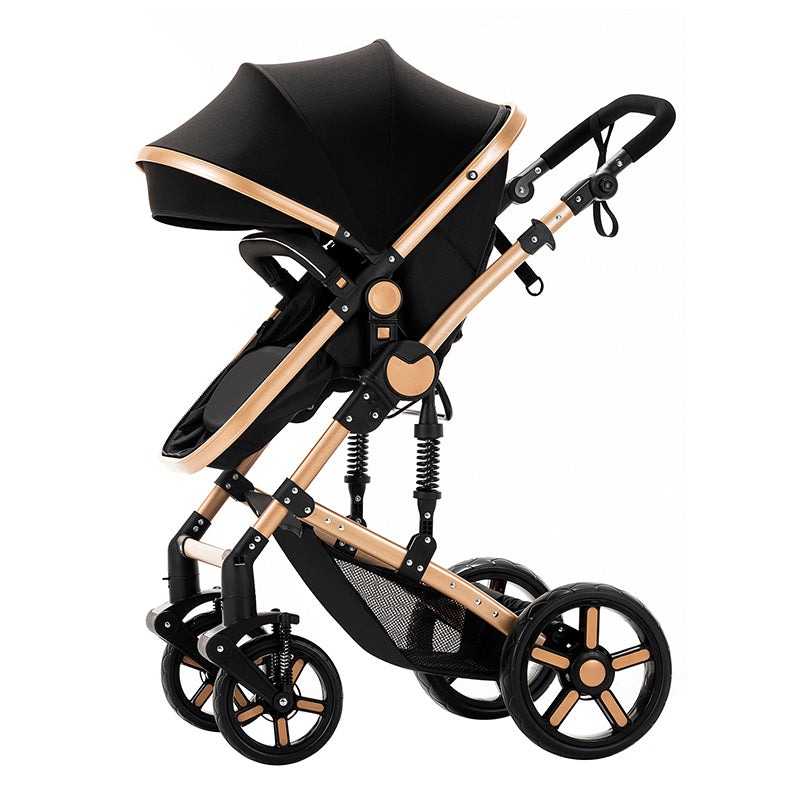
Many highly-reviewed travel systems emphasize lightweight construction without sacrificing stability. These models typically weigh between 20-25 pounds for the stroller frame, making them manageable for loading into vehicle trunks or carrying up stairs. The best systems offer one-hand folding mechanisms that actually work intuitively under real-world conditions, not just in demonstration videos. Storage baskets in top-rated models hold substantial weight and remain accessible even when the seat is fully reclined, addressing a common frustration parents encounter with poorly designed alternatives.
Wheel configuration significantly impacts performance across different environments. Systems with larger rear wheels and front swivel wheels that lock provide excellent maneuverability in tight spaces while maintaining stability on uneven surfaces. Reviewers consistently praise systems with puncture-proof foam-filled tires that eliminate maintenance concerns associated with air-filled alternatives. The handlebar design matters more than many parents initially realize, padded, height-adjustable options reduce wrist strain during extended walks and accommodate both shorter and taller caregivers comfortably.
Car seat installation represents a critical consideration that reviews frequently highlight. Top systems feature car seats with clear leveling indicators, easy-to-tighten straps, and both base and baseless installation options for flexibility across multiple vehicles. Many leading brands now include load legs or anti-rebound bars that provide additional stability, features that safety-conscious parents specifically seek out. The click-in connection between car seat and stroller base should feel secure and require minimal effort-systems that demand wrestling or precise alignment tend to accumulate frustrated reviews from sleep-deprived parents managing squirming infants.
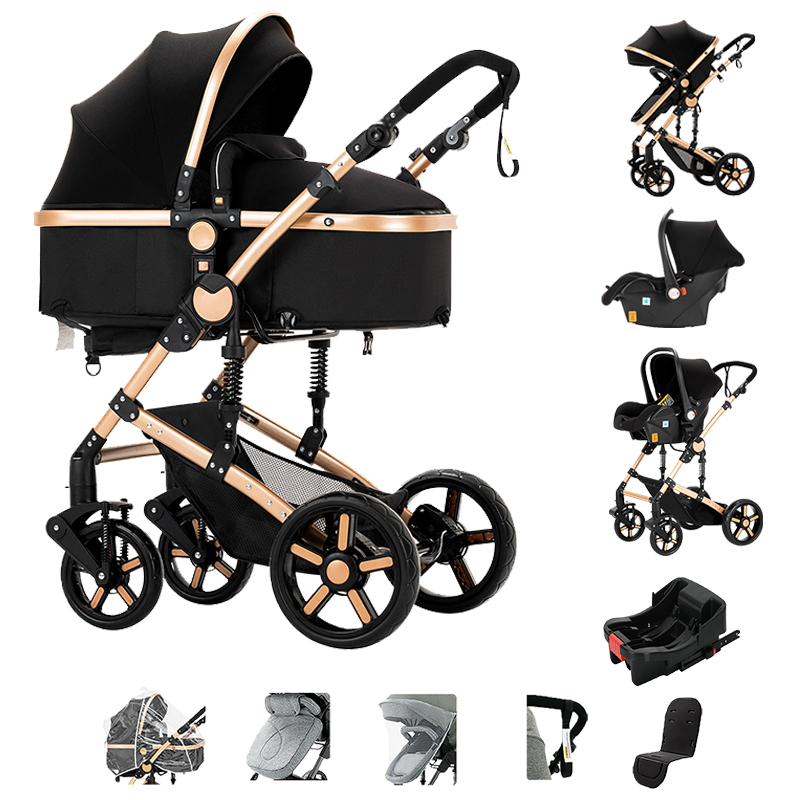
Fabric quality and climate considerations separate good systems from exceptional ones. Breathable, moisture-wicking materials keep babies comfortable during warm weather, while removable, machine-washable covers simplify inevitable cleanup after spills and accidents. Systems with reversible seat options allow babies to face parents or the world, supporting developmental needs as infants grow more curious about their surroundings. The recline mechanism should adjust smoothly to multiple positions, enabling comfortable napping or alert observation depending on your baby's mood and the situation.
Choosing the Right Travel System Stroller for Your Baby
Selecting a travel system requires matching the equipment to your baby's developmental stage and physical size. Most travel systems accommodate newborns from birth through the infant car seat component, which typically supports babies weighing 4 to 35 pounds and measuring up to 32 inches in length. The car seat portion becomes unsafe once your baby exceeds either the weight or height limit, whichever comes first, usually around 12 to 18 months for average-sized children. At this transition point, you'll move your child to the stroller seat, which generally accommodates toddlers up to 50 pounds, extending the system's usefulness through age three or four.
Pay close attention to your baby's head position when using the infant car seat. If your newborn's head flops forward or their chin touches their chest, the seat angle needs adjustment or your baby requires additional head support inserts. Most quality car seats include removable infant inserts designed for babies under 11 pounds, providing necessary cushioning and positioning. Remove these inserts once your baby outgrows them to prevent cramped positioning that could restrict breathing or cause discomfort during longer outings.
Safety features should dominate your selection criteria. Look for car seats that meet or exceed federal safety standards, with five-point harness systems that distribute crash forces across the strongest parts of your baby's body. Side-impact protection with energy-absorbing foam provides crucial defense during collisions from any direction. The car seat should install securely in your vehicle using either the LATCH system or seat belt, remaining rock-solid with less than one inch of movement at the belt path. Anti-rebound bars or load legs add stability by limiting rotation during impacts.
For the stroller component, verify that the frame locks securely in the open position and that brakes engage firmly on both rear wheels simultaneously. The harness system should adjust easily as your baby grows, with buckles that adults can operate quickly but children cannot release. Canopy coverage should extend far enough to shield your baby's face from direct sunlight at various angles throughout the day. Test the stroller's stability by applying downward pressure on the handlebar, quality systems won't tip backward even with weight in the storage basket. These safety fundamentals protect your baby while ensuring the system remains functional and reliable throughout years of regular use.
Parenting Tips for Using a Travel System Stroller
Mastering your travel system starts with practicing the car seat installation before your baby arrives. Spend time clicking the car seat in and out of both the vehicle base and stroller frame until the motion becomes second nature. This preparation prevents fumbling with unfamiliar mechanisms while managing a crying newborn in a parking lot. Keep the instruction manual in your diaper bag during the first few weeks—quick reference helps when you're troubleshooting issues away from home.
Position the car seat at the correct recline angle to prevent your baby's head from falling forward, which can restrict breathing. Most seats include built-in angle indicators or adjustable bases to achieve proper positioning. When transferring a sleeping baby, move slowly and keep one hand supporting the carrier handle to minimize jostling. During hot weather, place a thin towel between your baby's back and the car seat before buckling them in, then remove it before driving, this prevents overheating while keeping your baby comfortable.
Regular maintenance extends your travel system's lifespan and ensures continued safety. Wipe down the stroller frame weekly with a damp cloth to remove dirt that can jam folding mechanisms. Check wheel axles monthly for debris buildup that affects smooth rolling. Inspect harness straps for fraying and test buckles to confirm they click securely and release properly. Wash fabric components according to manufacturer instructions every few months or immediately after spills. Many brands, including Sianldcone and other mother and infant specialists, recommend storing the system in a dry location to prevent mold growth on fabrics and rust on metal components, keeping it ready for your next outing.
Making Your Final Decision
Choosing the right travel system stroller doesn't have to be overwhelming when you focus on what truly matters for your family. The best system balances safety features like five-point harnesses and side-impact protection with practical considerations such as weight, folding ease, and storage capacity. Reviews provide valuable insights, but your specific needs, whether navigating city sidewalks or suburban trails, should guide your final decision. Remember that the ideal travel system grows with your baby, offering reliable performance from those first precious days through active toddlerhood.
Take time to test systems in person when possible, practicing the fold, checking the car seat installation, and pushing the stroller to assess maneuverability. Verify that both components fit your vehicle and storage space comfortably. By understanding age and weight limits, prioritizing safety certifications, and following proper maintenance routines, you'll maximize your investment while keeping your baby secure and comfortable. Trust your research, consider your lifestyle honestly, and choose confidently, the right travel system will simplify your parenting journey and create countless smooth transitions as your family explores the world together.





Leave a Reply