

When winter arrives in cities like Denver, many homeowners rush to add cosier textiles, check the heating system, and seal drafty windows. These steps help, but they only address what happens inside the home.
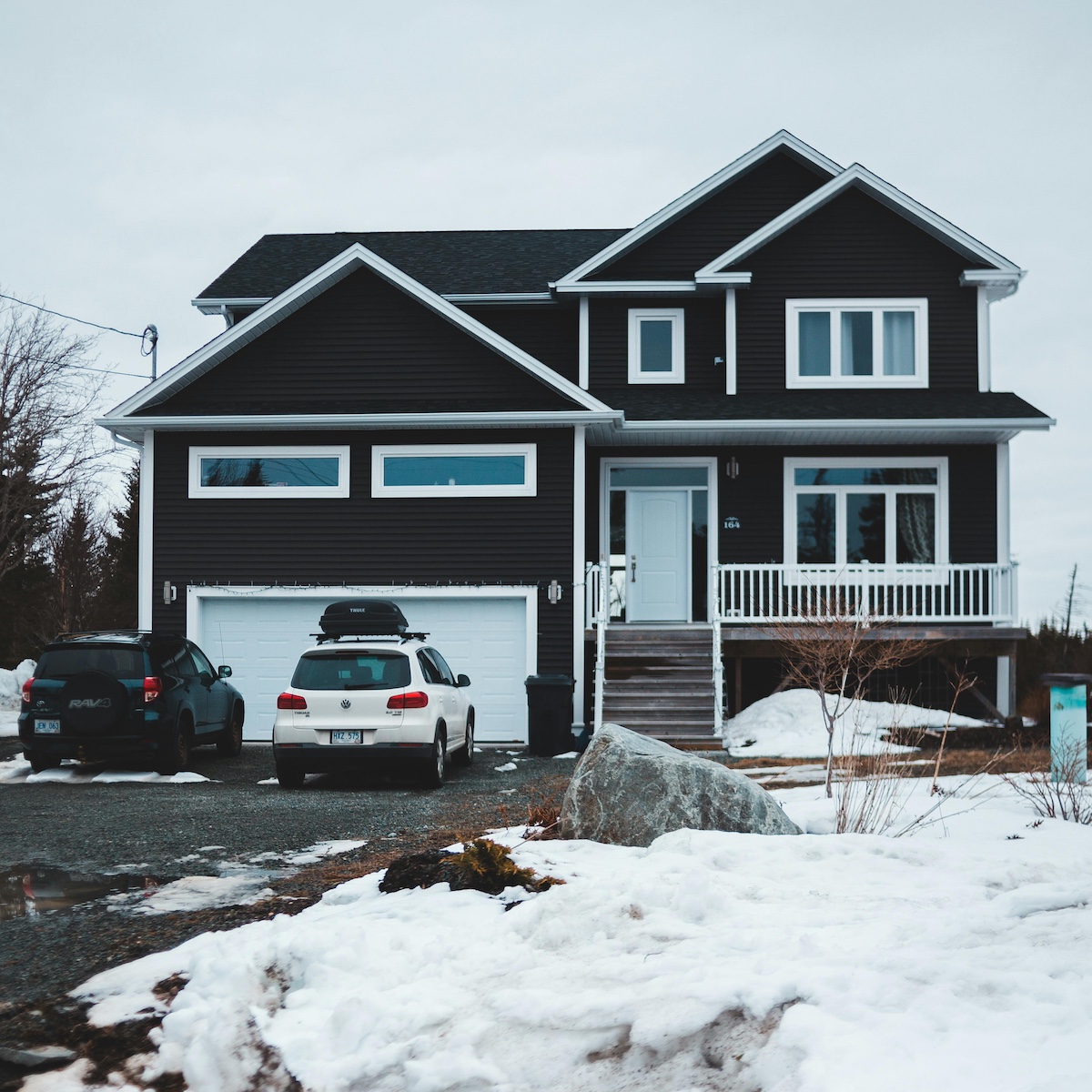
The exterior matters just as much and often plays a bigger role in keeping warmth indoors. A strong exterior protects the structure, blocks cold air, and supports your energy-saving efforts.
This article outlines the most effective exterior upgrades to help you enjoy a warmer home all winter long.
Jump to:
- Improve Exterior Wall Insulation
- Upgrade Your Garage for Better Heat Retention
- Seal and Upgrade Exterior Doors
- Evaluate Roof Condition and Add Better Protection
- 🤖 Looking For An Answer?
- Install or Refresh Siding
- Upgrade Your Windows
- Clean and Maintain Gutters
- Inspect the Foundation and Seal Cracks
- Add Landscaping Features That Block Cold Winds
Improve Exterior Wall Insulation
Exterior walls protect the home from cold air, wind, and moisture. When insulation weakens, indoor warmth escapes through small gaps or thin areas.
This makes the home feel colder and increases energy use. Inspect exterior walls for signs of poor insulation, such as cold spots, temperature inconsistencies, or higher-than-usual heating bills.
Some homes may need added insulation to maintain warmth through winter. Choose quality materials that offer strong thermal support.
Minor improvements in wall insulation can make a clear difference in how your home feels each day.
Upgrade Your Garage for Better Heat Retention
The garage plays a bigger role in indoor warmth than many people expect. A poorly sealed or ageing garage lets cold air spread through shared walls and floors.
This forces your heating system to work harder. In Denver, the high cost of living makes energy savings important, so every part of the home matters.
Check the garage door for signs of trouble. Look for slow movement, loud grinding sounds, damaged panels, or drafts around the edges. These issues indicate weakened hardware or worn insulation.
If you notice any problems, look up garage door repair near me in Denver and contact a reliable expert.
A skilled technician can offer a durable fix, reinforce insulation, and help you stop heat loss before winter temperatures drop further.
Seal and Upgrade Exterior Doors
Exterior doors are exposed to cold winds and fluctuating temperatures. Over time, the seals weaken, allowing drafts to enter.
This pulls warm air out of the home, creating cold spots near entryways.
Check the door frame for gaps or worn weatherstripping. Replace damaged seals and install a door sweep if you feel air coming from underneath the door.
If your door feels thin or loose, consider upgrading to a stronger, insulated model. A well-fitted exterior door stops heat loss and lowers the workload on your heating system.
Evaluate Roof Condition and Add Better Protection
The roof shields your home from snow, rain, and freezing temperatures. When it shows signs of wear, heat escapes through weakened areas.
Inspect the roof for missing shingles, cracked tiles, or sagging sections. These issues allow cold air and moisture to enter the structure.
🤖 Looking For An Answer?
Ask AI to summarise this post to see if the article answers your questions:
Early repairs prevent bigger problems and support better insulation inside the home.
Proper roof ventilation also helps maintain warmth by moving moisture out and keeping temperatures stable.
Install or Refresh Siding
Siding protects the home from harsh winds and winter storms. Old or damaged siding allows cold air to reach the interior of the structure.
This reduces insulation performance and forces the heating system to use more energy.
Inspect your siding for cracks, loose panels, or warping. If you see any damage, consider repairing or upgrading it.
Modern siding materials offer strong insulation and long-lasting durability.
When the exterior remains sealed, the home retains heat more effectively and remains comfortable through the colder months.
Upgrade Your Windows
Windows often allow the most heat to escape, especially when they have thin glass or poor seals.
When cold air seeps through small gaps, the home feels colder, and the heating system requires more power to maintain stable temperatures. Check each window for drafts by running your hand along the edges.
If you feel cold air, update the caulking or add new weatherstripping. Double-pane or energy-efficient windows provide better insulation and help retain warmth in winter.
If full replacements are not feasible, consider installing exterior window film to enhance the barrier against cold.
These improvements reduce heat loss, improve indoor comfort, and reduce energy waste.
Clean and Maintain Gutters
Gutters direct water away from the home, but when they clog with leaves or debris, they overflow, allowing moisture to collect around the exterior. Excess water seeps into walls, roofing, and insulation.
When insulation becomes damp, it loses strength and cannot retain heat. Therefore, clean gutters before winter storms and ensure downspouts direct water away from the foundation.
Secure any loose sections to prevent water from leaking behind them. Regular gutter care protects the exterior and helps prevent damage that could increase heat loss during colder months.
Inspect the Foundation and Seal Cracks
The foundation supports the entire structure, but tiny cracks often form over time.
These openings allow cold air to enter the lower levels of the home, causing noticeable temperature changes.
Walk around the exterior and look for gaps in the concrete. Even minor fractures can affect indoor warmth.
Seal the cracks with the proper filler to block air movement and protect the structure from moisture.
Foundation care also prevents long-term issues that can become costly if left unaddressed.
When the foundation is solid and sealed, the home retains warm air more effectively.
- Parents Are Prioritising Breathable, Sustainable Fabrics For Children's Seasonal Sleepwear
- Our Homemade Christmas Printables, Made With AI: What Worked, What Didn't, and What I'm Saving for Next Year
- At-Home vs. In-Lounge IV Therapy in the Hudson Valley: Which Makes More Sense?
- Can Passengers Pursue Compensation After a Car Accident?




Add Landscaping Features That Block Cold Winds
Strategic landscaping helps shield the home from strong winter winds. Trees, shrubs, and fences create natural barriers that slow cold air before it reaches the exterior walls.
Plant shrubs along the windy side of the home or add fencing where the property faces strong gusts. These features do not need to be large to make an impact.
Even moderate-height shrubs reduce wind pressure on the home and help maintain indoor warmth. Thoughtful landscaping also adds year-round appeal and supports a more comfortable outdoor environment.
Exterior upgrades offer more than warmth or lower energy use. They give you a chance to strengthen your home, extend the life of key structures, and build a safer space for the winter months ahead.
Each improvement adds stability and confidence, and together they help you shape a home that feels ready for whatever the season brings.





Leave a Reply