

If your child’s bedroom has slowly turned into a combo playroom, laundry landing zone, and “where did that cup come from?” mystery spot, you’re not alone.
The good news: you don’t need a complete renovation (or a weekend with no kids) to make it feel calmer and more functional.
A “bedroom reset” is simply a quick, intentional refresh that makes the room easier to use, easier to clean, and easier to enjoy, especially at bedtime.
Below is a realistic, family-friendly reset you can tackle in small chunks. The goal isn’t Pinterest perfection.
It’s a room that supports sleep, play, and everyday life, with bedding that withstands spills, growth spurts, and frequent washing.
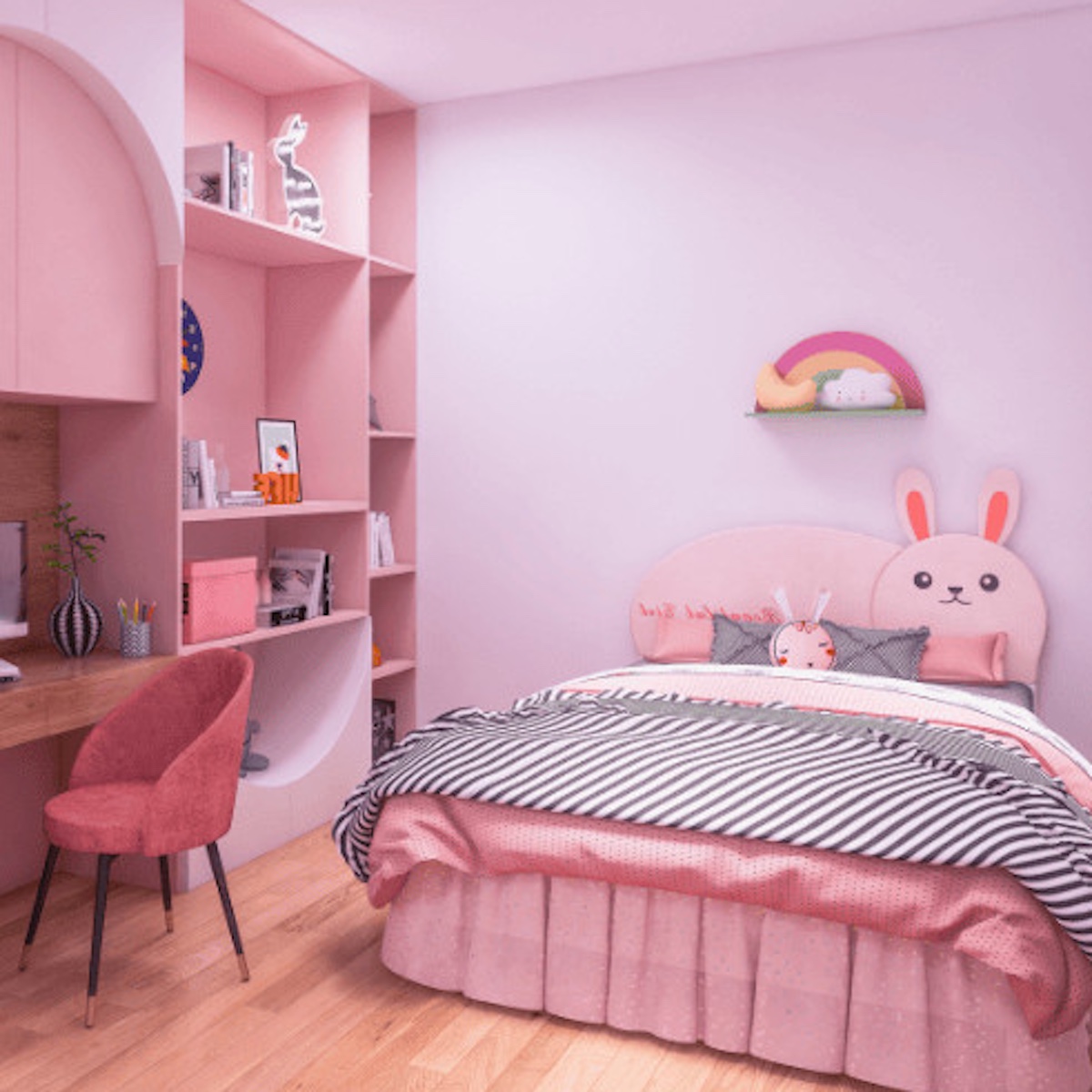
Jump to:
- 1. Start With a 20-Minute “Surface Sweep”
- 2. Reset the “Sleep Zone” First
- 3. Make Bedding Work With Your Life (Not Against It)
- 4. Do the “Drawer Edit” to Reduce Daily Chaos
- 🤖 Looking For An Answer?
- 5. Create a “Toy Boundary” (Not a Toy Ban)
- 6. Add a “Drop Zone” for the Daily Pile-up
- 7. Make the Room Safer and Calmer (With Small Changes)
- 8. Finish With a “5-Minute Nightly Reset” Routine
- 9. Keep It Flexible as Your Child Grows
- Conclusion: A Reset That Actually Sticks
1. Start With a 20-Minute “Surface Sweep”
Before you organize anything, clear the obvious clutter. Set a timer for 20 minutes and grab three bins or bags:
- Keep (belongs in this room)
- Relocate (belongs elsewhere)
- Donate/Trash
Do a quick sweep: pick up floor items, clear nightstands, and collect miscellaneous toys and paper piles.
Don’t get bogged down sorting tiny items yet; create visible space. A quick win here makes every next step easier.
Tip: Put on one upbeat playlist and stop when it ends. Ending on time builds momentum (and avoids burnout).
2. Reset the “Sleep Zone” First
Kids’ rooms often work better when they have clear zones: sleep, play, and getting-ready. Start with the sleep zone because it influences everything: mood, routines, and the room's overall feel.
A simple sleep-zone reset includes:
- Pull the bed away from messy corners (even a few inches helps)
- Put one small basket nearby for bedtime books
- Add one calming element: a soft lamp, a nightlight, or a cozy throw
If you only do one thing, make the bed area feel inviting. It signals “rest happens here,” which can make bedtime smoother.
3. Make Bedding Work With Your Life (Not Against It)
Let’s be honest: kid bedding has a rough job. It needs to handle accidents, snack crumbs, nighttime sweating, and frequent washes.
The key is to choose bedding that’s comfortable and practical. A few kid-friendly bedding guidelines:
- Stick to washable, durable fabrics. Review the care instructions and select an item that can be laundered regularly.
- Pick colors/patterns that forgive mess. Mid-tones and prints can hide minor stains between washes.
- Use layers. A mattress protector, fitted sheet, duvet insert, and duvet cover make cleanup easier. If something goes wrong, you can often wash only the top layer.
And here’s the big one: make changing the duvet cover simple, because if it’s complicated, it won’t happen as often as you want.
If you’re looking for easy duvet covers that reduce the wrestling factor, options with smart closures can be a game-changer for busy households.
For example, Doze Bedding designs luxury duvet covers with a 3-sided zipper and an internal snap system.
These two details can make changing bedding faster and less frustrating without turning it into a whole production. Keep it simple: one to two sets you love, washed often, and easy to swap.
4. Do the “Drawer Edit” to Reduce Daily Chaos
Kids don’t need more storage; they need simpler storage. If you’ve ever watched a child empty an entire drawer to find one shirt, you’ve seen why. Try this quick drawer edit:
- Pull out everything and remove what doesn’t fit (too small, too scratchy, never worn)
- Group into four categories: tops, bottoms, pajamas, socks/underwear
🤖 Looking For An Answer?
Ask AI to summarise this post to see if the article answers your questions:
- Use small bins inside drawers (or even shoe boxes) to keep groups contained
- Put the “most-used” items in the easiest-to-reach drawer
If your child is old enough, let them choose which items stay. They’re more likely to use (and respect) a system they helped create.
5. Create a “Toy Boundary” (Not a Toy Ban)
A kid-friendly bedroom still needs play space, but the room shouldn’t feel like a toy explosion 24/7. The trick is giving toys a clear home and a clear limit. Two simple boundaries that work:
- One “active toy” bin (things they’re currently into)
- One “stored toy” bin (rotated weekly or monthly)
Everything else should be kept outside the bedroom, if possible. If the bedroom is the only play space, keep toy storage closed (lidded bins, cabinets, baskets) so the room looks calmer even when life is busy.
Bonus: Label bins with pictures for younger kids, cars, dolls, blocks, and art supplies.
6. Add a “Drop Zone” for the Daily Pile-up
Backpacks, library books, hairbrushes, and tiny treasures tend to end up on the bed or floor. Give them a designated landing spot to reduce mess without constant nagging.
Easy drop zone ideas:
- Hooks behind the door for backpack and jacket
- A small tray on the dresser for “pockets stuff”
- A basket for tomorrow’s outfit or sports gear
When everything has a place, tidying takes minutes, not hours.
7. Make the Room Safer and Calmer (With Small Changes)
A reset is also a chance to scan for safety and sleep-supporting details.
Quick safety wins:
- Anchor tall furniture (dressers/bookshelves)
- Keep cords out of reach
- Choose a bedside light that’s easy for kids to use
- Store art supplies (markers, scissors, glue) in a supervised spot if needed
Calming upgrades that don’t cost much:
- Blackout curtains (or a simple blackout liner)
- A white-noise machine or fan
- One “comfort corner” (a bean bag, floor pillow, or reading nook)
You’re aiming for a room that feels good at 7 a.m. and 7 p.m.
8. Finish With a “5-Minute Nightly Reset” Routine
The biggest secret to a kid-friendly bedroom isn’t the organising system; it’s the maintenance routine. A tiny reset each evening keeps the room from spiralling.
Try this nightly checklist:
- Toss laundry into a hamper
- Put 5–10 toys back into bins
- Set out tomorrow’s outfit (optional, but a lifesaver on school mornings)
- Straighten bedding (even a quick pull-up counts)
Make it a game: race the timer, play one song, or do “before and after” photos to motivate kids.
9. Keep It Flexible as Your Child Grows
Kids’ needs change fast. What works for a toddler won’t work for a tween. A good reset system adapts:
- Use adjustable shelving
- Choose storage that can change categories (toys → books → hobby supplies)
- Stick with bedding that feels “grown up” enough to last a few years
When the room can grow with your child, you won’t feel like you’re starting from scratch every season.
- Parents Are Prioritising Breathable, Sustainable Fabrics For Children's Seasonal Sleepwear
- Our Homemade Christmas Printables, Made With AI: What Worked, What Didn't, and What I'm Saving for Next Year
- At-Home vs. In-Lounge IV Therapy in the Hudson Valley: Which Makes More Sense?
- Can Passengers Pursue Compensation After a Car Accident?




Conclusion: A Reset That Actually Sticks
A kid-friendly bedroom reset isn’t about making a showroom. It’s about creating a space where your child can sleep well, find what they need, and help maintain the room without frustration.
Start small: clear surfaces, refresh the sleep zone, simplify storage, and choose bedding that’s comfortable and easy to keep clean.
When the room supports your daily rhythms, rather than fighting them, you’ll feel the difference immediately (especially at bedtime).





Leave a Reply