

Blurry vision can appear gradually or suddenly, and it’s not something most people feel prepared for.
Sometimes it’s as harmless as tired eyes after long hours of screen time, and other times it can signal an eye condition that needs attention.
Because vision changes affect daily life so quickly, it’s easy to feel worried when the world starts to look out of focus.
Many adults first notice blurriness while driving, reading, or scrolling on their phone.
In areas with fast-paced lifestyles and growing screen dependence, like Raleigh and other busy cities, more people are paying attention to warning signs instead of assuming “it will go away on its own.”
Understanding what’s behind blurriness helps calm anxieties and makes it easier to figure out when a routine check is enough and when a medical visit is the smarter step.
Let’s break down the most common causes of blurry vision and identify when the eyes warrant a professional evaluation.
Jump to:
Common Reasons Vision Starts to Look Blurry
Blurry vision is often caused by changes in eyesight, such as refractive errors like nearsightedness or age-related issues like presbyopia, which typically begins in the early 40s.
Dry eye can also play a role, especially from prolonged screen time or dry environments, leading to haziness and irritation.
Additionally, certain health conditions like cataracts, glaucoma, and diabetes can cause noticeable visual changes. While not always serious, recurrent blurriness should not be ignored.
When Blurriness Means It’s Time for a Professional Exam
Not all visual changes feel urgent, but consistency is usually the key indicator. If blurry vision keeps returning, is getting worse, or is accompanied by headaches or eye strain, that’s a strong sign the eyes need to be checked by a specialist.
This becomes especially important when blurriness affects driving, reading signs, or recognising faces, activities where clarity is essential for safety.
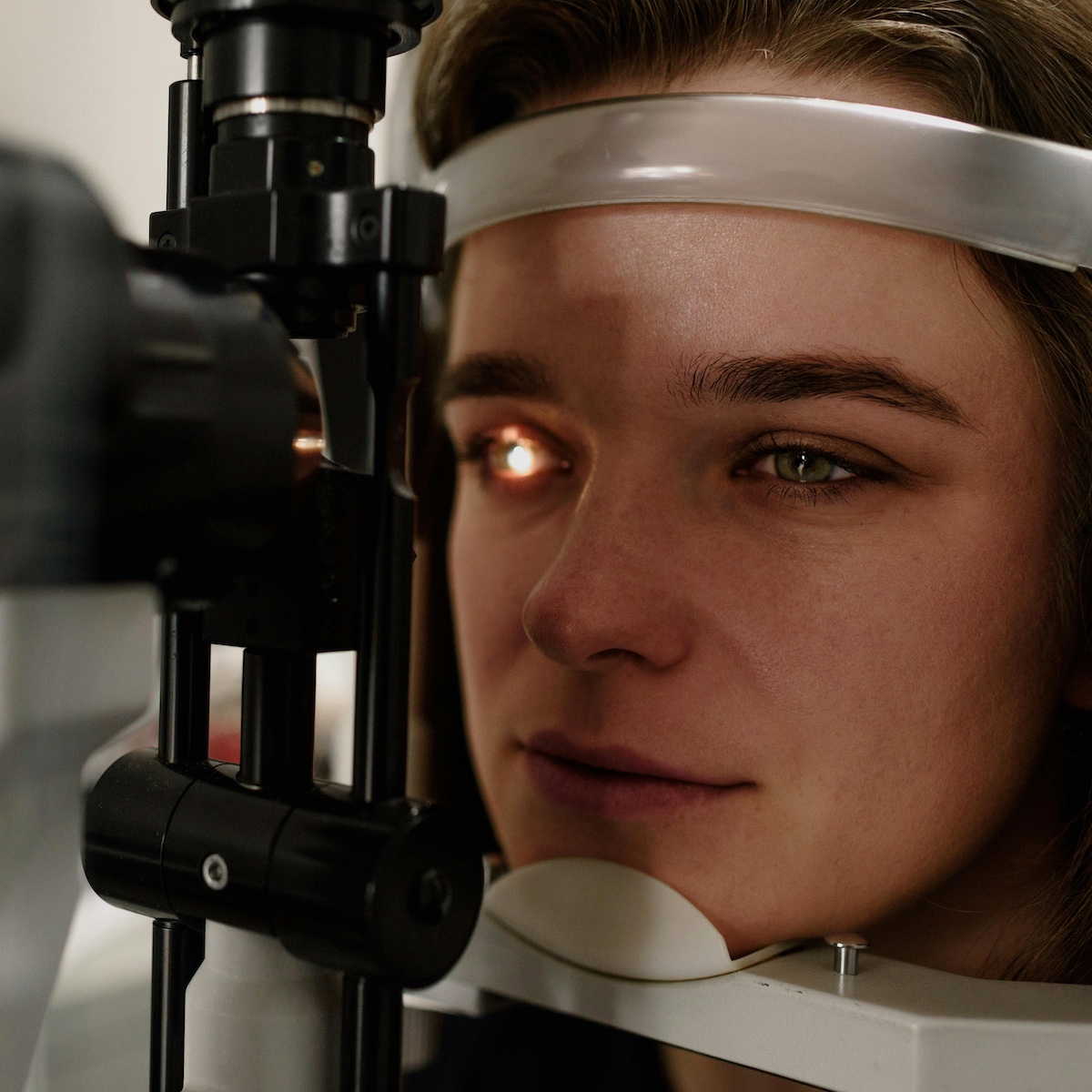
Scheduling vision exams Raleigh specialists provides one of the most reliable ways to pinpoint the exact cause of blurriness and get ahead of anything developing.
A trusted provider such as New Century Ophthalmology performs comprehensive evaluations that check not only for prescription updates but also for deeper eye health issues that could be missed with a simple screening.
Exams use diagnostic tools to inspect the cornea, retina, optic nerve, and intraocular pressure, providing clarity on whether the blurriness is minor or linked to a medical condition.
Getting regular exams doesn’t just fix current problems; it prevents future ones.
Eye conditions like glaucoma and cataracts often develop silently before symptoms become noticeable, and early detection makes a significant difference in long-term vision health.
A professional evaluation provides reassurance and helps build a plan that supports eye health over the years.
🤖 Looking For An Answer?
Ask AI to summarise this post to see if the article answers your questions:
Warning Signs That Shouldn’t Be Ignored
Some symptoms require immediate attention as they may indicate serious eye issues rather than simple fatigue or an outdated prescription.
Sudden blurry vision, flashes of light, new floaters, or shadows in sight can signify retinal problems and should be treated urgently.
Blurry vision with pain, nausea, or halos around lights is also concerning, even if the symptoms subside quickly. Early assessment is crucial to maintain eye clarity and comfort.
For parents, kids may experience blurry vision without knowing how to express it.
Signs like headaches, squinting, sitting too close to screens, or avoiding reading could indicate vision difficulties.
Getting their eyes checked can boost their confidence in school and reduce frustration.
Simple Daily Habits That Protect Your Vision
Our eyes work hard every day, so even minor adjustments can support long-term clarity.
The 20-20-20 rule (every 20 minutes, look 20 feet away for 20 seconds) helps reduce digital eye strain.
Staying hydrated and choosing lubricating eye drops approved by an eye specialist can relieve dryness.
Sunglasses that block UV rays protect the eyes outdoors year-round, not just in summer.
Lighting also plays a bigger role than many realize. Reading or working in dim light strains the eyes more.
Proper lighting during screen use and nighttime reading eases that tension.
A balanced diet rich in leafy greens, colorful vegetables, fatty fish, and antioxidants also supports eye health.
It’s not a replacement for professional exams, but it gives the eyes the nutrients they need to stay strong over time.
Final Thoughts
Blurry vision can be unsettling, but it’s often the body’s way of asking for attention rather than a reason to panic.
Understanding what’s normal and what requires a closer look helps prevent problems from building quietly in the background.
- Parents Are Prioritising Breathable, Sustainable Fabrics For Children's Seasonal Sleepwear
- Our Homemade Christmas Printables, Made With AI: What Worked, What Didn't, and What I'm Saving for Next Year
- At-Home vs. In-Lounge IV Therapy in the Hudson Valley: Which Makes More Sense?
- Can Passengers Pursue Compensation After a Car Accident?




Listening to changes and seeking a professional exam when vision doesn’t feel right makes a significant difference in long-term eye comfort and clarity.
Staying proactive with regular checkups, daily habits that reduce strain, and protective care helps preserve the eyesight that supports every part of daily life, from work and driving to family time and hobbies.
Your eyes are working for you every moment of the day, and they deserve the same care and attention that the rest of your health receives.





Leave a Reply