

Accidents inside a busy public space like City Park can be overwhelming because of crowds, limited supervision, and unpredictable surroundings.
Whether it’s a slip on a wet pathway, a cycling collision, a playground injury, or a fall near the lake area, knowing the right steps to take in those first few minutes is crucial.
What you do or fail to do directly affects your safety, your ability to get help, and even potential insurance or legal claims later.
This article outlines the essential do’s and don’ts to follow immediately after an accident, specifically in a park setting like City Park.
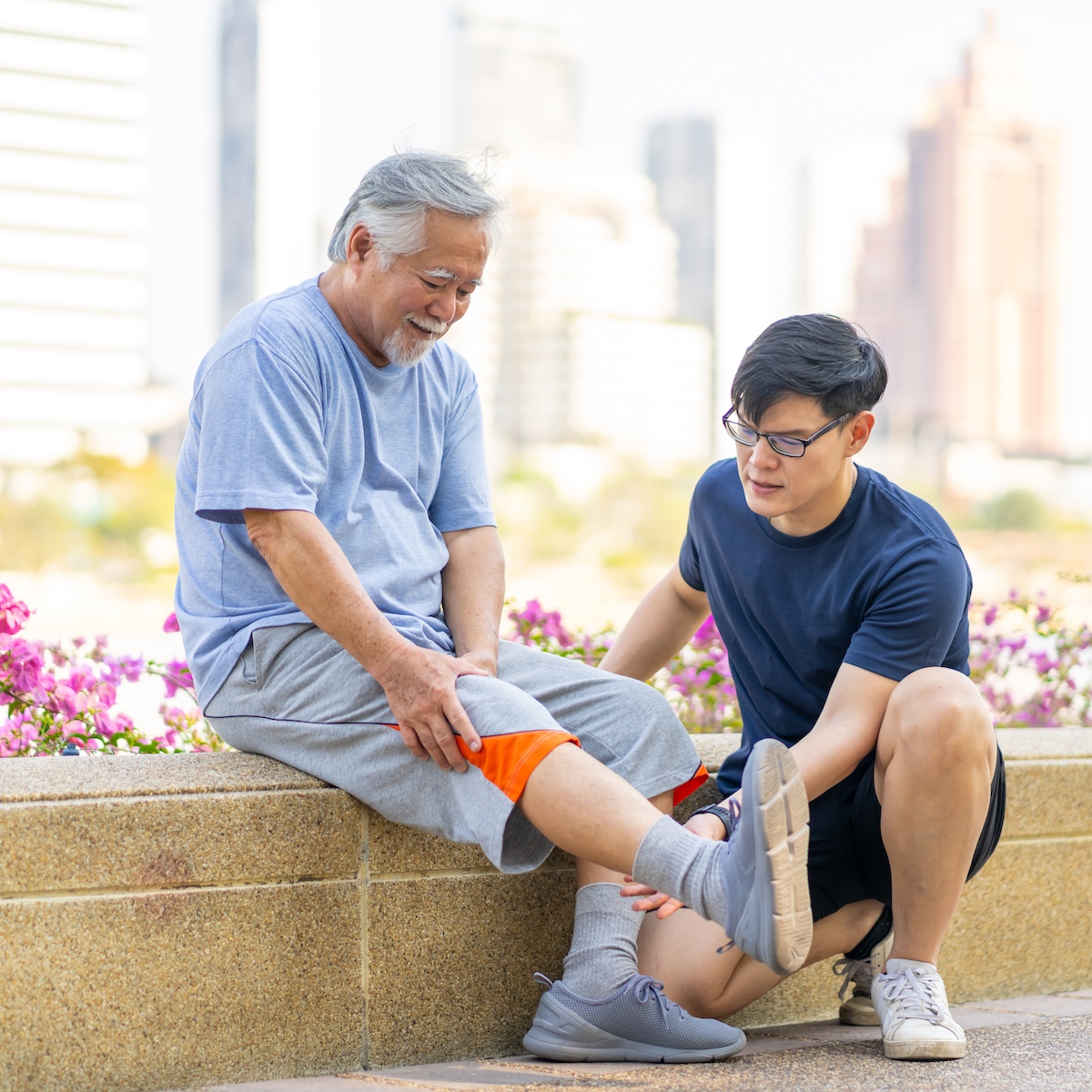
Dos
Ensure Safety
The first priority after an accident is personal safety. If you are conscious and able to move, step away from any immediate danger, such as a bike path, a slippery surface, or water.
Check yourself for injuries, even if they seem minor initially. Many park accidents involve hidden injuries like sprains or mild concussions that show symptoms later.
It’s important to take the right steps immediately after the accident to prevent further complications.
If others are involved, make sure they are also safe. Politely ask bystanders not to crowd around the injured person, as it can restrict airflow or cause panic.
If the accident happened near playground equipment or a cycling track, ensure the area is temporarily blocked to prevent further harm.
Call for Help
You should always call for help in a park accident, even if you think the injury is mild. City parks typically have security teams, first-aid personnel, or patrolling guards.
Call the emergency number displayed on park signboards or dial local emergency services.
Waiting to “see if it gets better” can delay critical treatment, especially in cases of head injuries, fractures, or internal injuries.
When help arrives, provide clear information: what happened, where it happened, and whether anyone else is injured.
Document the Scene?
Documenting the scene is one of the most important steps people forget. City Park is large and busy, and conditions change quickly; water may dry up, crowds may disperse, or staff may clean the area.
Take photos or videos of:
- The spot where the accident occurred
- Any hazards (wet floors, broken pavement, loose tiles, damaged benches, etc.)
- Equipment involved (playground structures, rental bikes, scooters)
- Your injuries
- Weather and lighting conditions
This evidence can help you later if you need medical reimbursement, insurance support, or to file a safety complaint with park authorities.
Inform About the Accident to Authorities
Informing the park authorities is a crucial “do.” Every city park has a reporting system, even if it’s just a logbook with security.
Provide your name, contact number, a simple description of what happened, and the time of the incident. Request a copy or confirmation of your report.
If the accident involved another individual, such as a cyclist, dog owner, or another visitor, exchange basic details such as name and mobile number.
Do not discuss fault or blame at this stage; keep the communication factual.
🤖 Looking For An Answer?
Ask AI to summarise this post to see if the article answers your questions:
Don'ts
Avoid Saying Unnecessary Things at the Scene
After an accident, emotions run high, but avoid statements like
- “It was my fault.”
- “I should have been more careful.”
- “I’m fine; nothing happened.”
Such phrases can be misunderstood or used against you later. Instead, stick to describing what happened, not why. Also, do not argue with other involved individuals. If there is conflict, let security or authorities handle it.
Don't Ignore Medical Attention Even if You Feel Okay
Park accidents often involve uneven surfaces, hidden obstacles, and fast-moving activities. Some injuries don’t show symptoms immediately. A medical checkup helps detect:
- Mild concussions
- Internal bruising
- Ligament damage
- Delayed-onset pain
Documentation from a doctor also strengthens any insurance or complaint process.
- Parents Are Prioritising Breathable, Sustainable Fabrics For Children's Seasonal Sleepwear
- Our Homemade Christmas Printables, Made With AI: What Worked, What Didn't, and What I'm Saving for Next Year
- At-Home vs. In-Lounge IV Therapy in the Hudson Valley: Which Makes More Sense?
- Can Passengers Pursue Compensation After a Car Accident?




Don't Post About the Accident on Social Media
This is a key don’t. Posting photos or statements online can create confusion, attract unwanted attention, or contradict your official report. It is better to focus on recovery and proper reporting rather than sharing the incident publicly.
Key Takeaways
- Ensure Immediate Safety, Move away from danger, check for injuries, and prevent further harm to yourself or others.
- Call for Help Promptly, Contact park security or emergency services even for minor injuries; provide clear information about the incident.
- Document the Scene, Take photos/videos of the accident location, hazards, equipment, and injuries for insurance or legal purposes.
- Inform Authorities and Witnesses, Report the accident to park staff and exchange contact details with other involved individuals or witnesses without admitting fault.
Seek Medical Attention and Avoid Social Media – Get checked by a professional even if you feel okay, and refrain from posting about the accident online to avoid conflicting information.





Leave a Reply