

Ever walk into your home, take a breath, and feel like something's off with the air?
Maybe it’s stuffy after a long day. Maybe it’s heavier during allergy season. Or maybe you never noticed it, until you saw a headline saying indoor air can be worse than what’s outside.
As remote work becomes common and allergy seasons get longer, people are thinking more about the air they breathe at home.
What’s floating through the vents? Is there too much moisture? Are we actually breathing clean air?
It’s not about panic. It’s about paying attention. And when you know what affects indoor air quality, you can take steps to control it.
In this blog, we will share what every homeowner should know about indoor air quality, how small daily choices make a difference, and when simple maintenance can protect your home and your health.
Jump to:
Why Indoor Air Matters More Than Most People Think
Indoor air is not just oxygen and a little dust floating around. It is a mixture of particles, moisture, fumes, and sometimes allergens that build slowly over time. Many of these are harmless in small amounts.
But when they collect in tight, sealed spaces, they can affect how you feel in surprising ways.
You might wake up groggy. You might feel stuffy in certain rooms. You might notice your home smells different after rain.
One thing many homeowners overlook is how home systems shape the air they breathe. When humidity climbs too high, dust mites grow.
When moisture sits too long, mold can show up in corners you rarely check. When ventilation drops, stale air lingers.
Even large appliances play a role. For example, knowing when it is time or either repair or replace your air conditioner can make a major difference, because an ageing unit can put extra dust and particles back into circulation instead of filtering them out.
This is why indoor air quality is less about fixing one single issue and more about keeping an eye on many small factors that work together.
Once you understand how these pieces connect, the air in your home becomes easier to manage and easier to improve.
The Everyday Contributors You Can Actually Control
Most people think indoor air problems come from dramatic sources like mold, smoke, or chemical spills. In reality, the biggest contributors tend to be the everyday things.
Cleaning products, scented candles, cooking smoke, pet dander, and even furniture can all affect air quality in different ways.
A lot of modern furniture releases small amounts of gases called VOCs. They are not visible, and you cannot smell them, but they stay in the air much longer than expected.
That is why new furniture sometimes gives off that “fresh” smell. It is really the material releasing chemicals as it settles.
Cooking is another common source. Even if you cook something as simple as eggs or toast, small particles float into the air. Good ventilation pulls these particles out.
Without ventilation, they hang around inside. This is why turning on your stove’s exhaust fan is not just an optional step. It is one of the easiest ways to improve air quality instantly.
Pets add another layer. Cats and dogs shed hair and dander into the air. Even if your pet is not a heavy shedder, their fur carries pollen from the outdoors.
Regular vacuuming and grooming can reduce this, but it is not just about the floors. Carpets and curtains trap more particles than you think.
In homes with furry family members, adding targeted HEPA filtration such as Alen air purifiers for pets in main living areas can help capture airborne dander, hair, and odors before they settle back onto soft surfaces.
None of these things is a problem on its own. But they add up. And when they add up, the air you breathe becomes heavier, dustier, and less fresh than it should be. The good news is that small habits can make a big impact.
🤖 Looking For An Answer?
Ask AI to summarise this post to see if the article answers your questions:
Simple Improvements That Make a Real Difference
The easiest place to begin is ventilation. Opening windows for a few minutes each day can replace stale air with fresh air from outside.
If that is not possible because of the weather, then using fans or running a system that circulates indoor air can help keep things balanced.
Next, look at air filters. Many people forget to replace them on time. A clogged filter cannot trap particles. It only circulates them.
Checking your filter every month and replacing it on schedule is one of the simplest ways to improve air quality.
Humidity control matters too. Ideally, indoor humidity stays between 30 and 50 percent. When humidity rises too high, mold and dust mites grow. When it drops too low, the air feels dry and irritating.
A small, inexpensive meter can tell you where your home stands. A dehumidifier or humidifier can help you stay in the healthy range.
Cleaning matters more than most realise. Dust collects on shelves, under furniture, and in corners.
Using a vacuum with a strong filter and wiping surfaces with a damp cloth can prevent dust from floating back into the air.
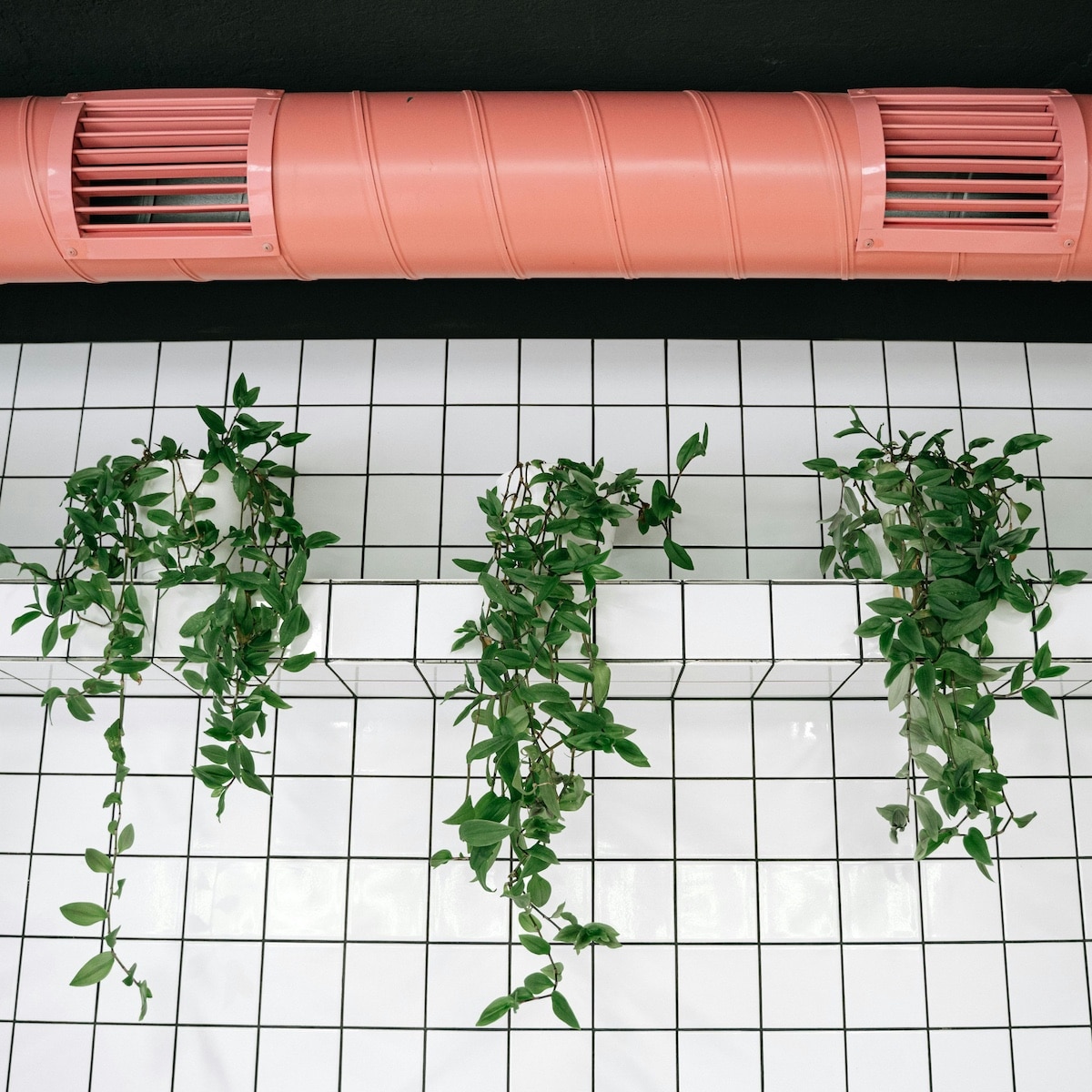
Plants can help, but not in the magical way many people believe. They can reduce stress and add moisture to dry air, but they cannot purify a full home.
Still, a few well-placed plants can support healthier indoor air by improving comfort.
All of these small actions add up to a healthier home without requiring expensive upgrades.
How to Know When You Need Professional Help
Some issues are simple. Some are not. A persistent musty smell could indicate hidden moisture. Sudden dust buildup might mean something is wrong with your ventilation system.
If you notice your home feels harder to breathe in during certain seasons, or after certain activities, someone trained in indoor air systems can help identify the cause.
Professionals can test your air, inspect your ducts, and evaluate whether your home systems are helping or hurting your air quality.
Sometimes the solution is a simple cleaning. Other times, a repair or small system upgrade makes the difference.
- Parents Are Prioritising Breathable, Sustainable Fabrics For Children's Seasonal Sleepwear
- Our Homemade Christmas Printables, Made With AI: What Worked, What Didn't, and What I'm Saving for Next Year
- At-Home vs. In-Lounge IV Therapy in the Hudson Valley: Which Makes More Sense?
- Can Passengers Pursue Compensation After a Car Accident?




The most important thing is not to ignore the signs. Indoor air does not fix itself. But it can be improved with the right steps.
The bottom line? Indoor air quality is part science, part maintenance, and part awareness.
It is something every homeowner can improve, even with small actions. Better air makes your home feel lighter, cleaner, and more comfortable.
And when you understand the forces shaping it, you gain more control over the space you live in every day.





Leave a Reply