

How Laser Mole Removal Can Transform Your Skin highlights how modern technology provides safe and effective solutions for improving appearance and comfort.
Laser mole removal in Singapore uses targeted light energy to remove unwanted moles with precision, reducing scarring and downtime compared to surgical methods.
This minimally invasive procedure enhances skin texture, boosts confidence, and helps patients achieve a smoother, clearer complexion.
With experienced dermatologists and advanced laser systems, treatment outcomes are both natural-looking and long-lasting.
If a mole causes irritation or affects your self-esteem, laser mole removal Singapore might be the solution.
Laser treatments use focused light energy to break down pigmented cells, offering precise control and minimal damage to surrounding tissue.
CO2 lasers work well for raised moles, vaporising tissue with pinpoint accuracy, while Q-switched lasers target flat moles with ultra-fast pulses to fragment melanin.
The procedure is quick, typically lasting 5-30 minutes, and a local anaesthetic ensures a comfortable experience.
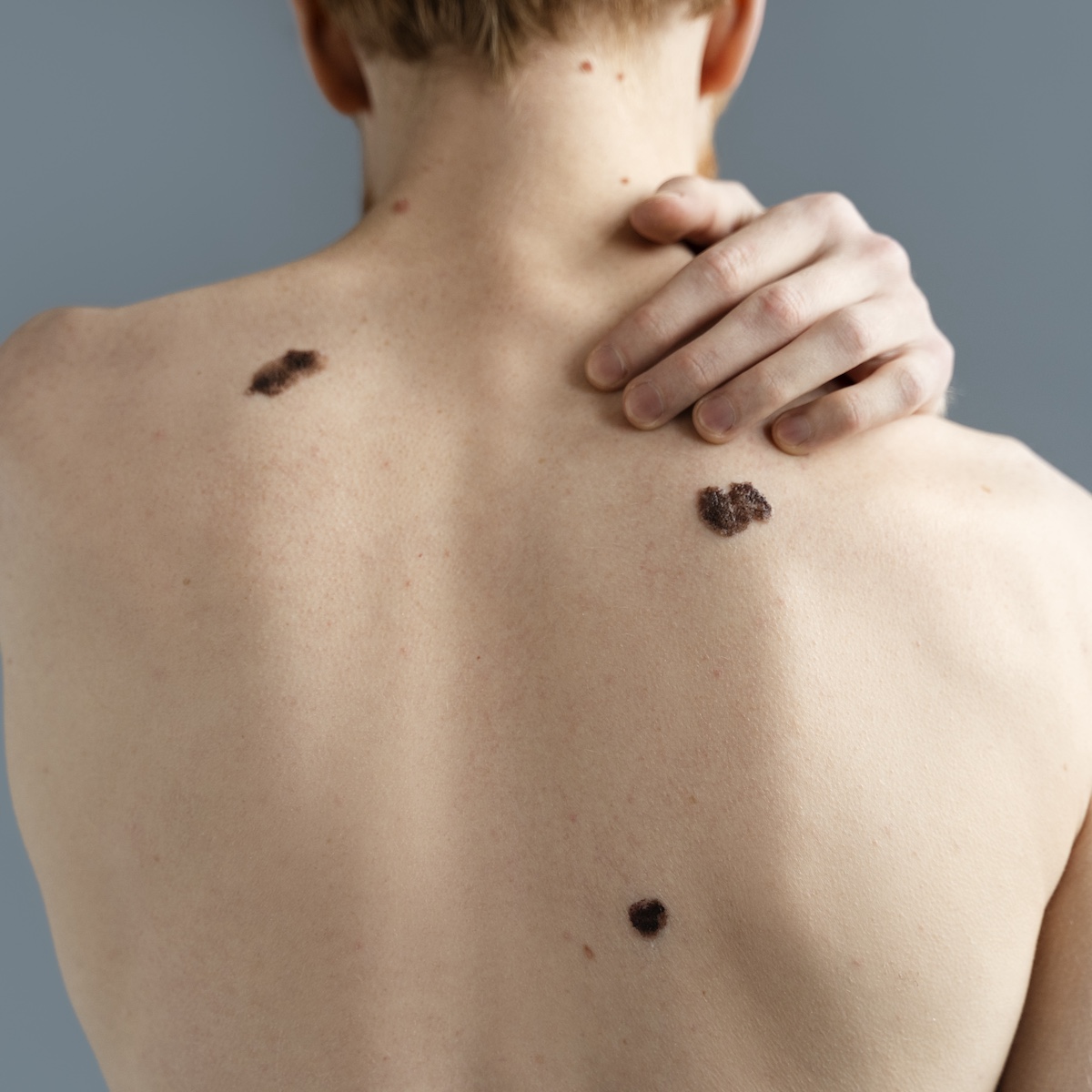
Jump to:
Types of Moles Suitable for Laser Treatment
Raised Moles (Compound and Intradermal Nevi)
CO2 lasers are effective for raised moles 2–15mm in diameter. Compound nevi may need multiple passes (3–5) at 15–25W, while intradermal nevi require deeper penetration at 20–30W.
Seborrheic keratoses can also be treated with CO2 lasers, ensuring minimal damage to hair follicles and sebaceous glands.
Flat Pigmented Moles (Junctional Nevi)
Q-switched Nd: YAG lasers at 1064nm penetrate 5–7mm, targeting melanin in flat moles without damaging the skin's surface.
These lasers use nanosecond pulses to break down pigment, which is then absorbed by macrophages.
Multiple sessions spaced 4–6 weeks apart gradually lighten the moles, with the surrounding skin staying intact and reducing scarring.
Moles Requiring Alternative Approaches
Congenital melanocytic nevi larger than 20mm may require surgical excision, as they often extend too deep for laser removal.
Blue nevi with deeper melanin deposits and dysplastic nevi with irregular features need biopsies before removal, as laser treatments can interfere with histological analysis.
Any mole that changes in size, colour, or texture should be evaluated by a dermatologist before treatment.
The Laser Removal Process
Pre-Treatment Assessment
Dermatoscopy at 10–20x magnification helps assess mole structure, while photographs document its features. Wood’s lamp under UV light highlights pigmentation depth.
Fitzpatrick skin typing helps guide laser settings, particularly for darker skin types that require longer wavelengths to prevent pigmentation changes.
Test spots may be used to assess skin response.
During Treatment
A topical anesthetic (5% lidocaine) is applied 30–45 minutes before treatment. Larger or multiple moles may need injectable lidocaine.
CO2 lasers outline the mole and remove tissue layer-by-layer, while Q-switched lasers cover the area with 10–30% overlap, creating a rubber-band snap sensation and mild swelling for 2–4 hours.
Post-Treatment Wound Care
Petroleum-based ointments help keep laser-treated areas moist and prevent scabs. After initial healing, silicone gel sheets can reduce scarring, and SPF 50+ sunscreen protects the skin from hyperpigmentation.
CO2 laser sites form protective eschars that naturally separate after 7–10 days, while Q-switched areas may darken temporarily before fading over 2–3 weeks.
Recovery Timeline and Results
Week 1–2: Initial Healing
For the first 1–3 days, treated areas may be red and swollen. Cooling, gentle cleansing, and antihistamines can alleviate discomfort.
By days 4–7, CO2 sites form eschars, and Q-switched sites develop crusting.
Days 8–14 see new skin growth, with gentle exfoliation and vitamin C serum supporting healing.
Month 1–3: Tissue Remodelling
Collagen Type III fills the wound, turning into Type I collagen over the next 8–12 weeks, flattening the site.
Melanocyte activity and pigmentation normalise, with temporary hypopigmentation often resolving within six months.
Residual redness may persist for up to three months, with pulsed dye lasers available for persistent redness.
🤖 Looking For An Answer?
Ask AI to summarise this post to see if the article answers your questions:
Laser Treatment vs. Surgical Excision
Laser treatment offers precision, creating wounds the size of the mole, unlike surgical excision, which requires larger incisions and more healing.
Laser cauterization helps control bleeding and reduce hematoma risk, especially on the face.
Multiple moles can be treated in a single session, while surgery typically requires longer recovery times due to sutures.
Dermatologist's Advice
"CO2 lasers work well for raised moles, while flat, pigmented lesions are best treated with Q-switched lasers.
Skin type plays a role, darker skin may require more conservative settings to avoid post-inflammatory pigmentation.
Multiple laser passes are preferred to ensure optimal outcomes without damaging tissue."
Practical Considerations
- Best Time for Treatment: Consider scheduling consultations during cooler months, as reduced sun exposure supports healing and minimizes pigmentation risks.
- Documentation: Take close-up photos of your moles before treatment to document their appearance for future comparisons.
Sun Protection: Use broad-spectrum sunscreen and follow a healthcare professional’s guidance for sun protection and post-treatment care.
- Parents Are Prioritising Breathable, Sustainable Fabrics For Children's Seasonal Sleepwear
- Our Homemade Christmas Printables, Made With AI: What Worked, What Didn't, and What I'm Saving for Next Year
- At-Home vs. In-Lounge IV Therapy in the Hudson Valley: Which Makes More Sense?
- Can Passengers Pursue Compensation After a Car Accident?




When to Seek Professional Help
- Mole bleeding without trauma
- Rapid size increase
- Changes in color, including darkening or irregular pigmentation
- Irregular borders in previously symmetrical moles
- New moles larger than 6mm, especially after age 30
FAQ’S
One CO2 laser session typically removes raised moles, though deeper lesions may need touch-up treatments. Flat pigmented moles require multiple Q-switched laser sessions spaced 4–6 weeks apart.
Laser treatment removes benign moles but doesn't prevent skin cancer, such as melanoma, from developing. Regular skin checks are important.
Complete laser removal prevents regrowth, but partial removal may result in recurrence, especially with compound nevi.
Mineral-based makeup can be applied once the area is fully healed, typically 7-10 days for smaller moles and 14-21 days for larger ones. Ensure the site is dry with no open areas.





Leave a Reply