

Creating a Home That Doesn’t Hold You Back means reimagining your space to match how you live today, not how you lived years ago. Every awkward layout, broken fixture, or outdated setup can quietly drain your time and energy.
Modern living demands homes that evolve, spaces that support efficiency, comfort, and flexibility.
Whether it’s upgrading lighting, rethinking furniture placement, or adding smart technology, small changes can create a flow that feels effortless.
A truly functional home should adapt to your needs, making daily life smoother and freeing you to focus on what matters most.
Our daily lives have changed faster than our living spaces. Working from home is now normal, not temporary. Many people are caring for aging parents or growing kids in the same space where they host Zoom calls.
Supply chain issues and rising material costs have also made us think more carefully about where we spend and what we fix.
We don’t need magazine-ready homes. We need homes that work hard and make sense.
In this blog, we will share how to build a home that works for your life today, not just the one you imagined years ago, and how to make those upgrades count in practical, stress-reducing ways.
Jump to:
When Design Solves Problems You Didn’t Know You Had
Most people renovate because something breaks. Pipes leak. Tiles crack. Or maybe you just can’t deal with that peeling wallpaper for one more week.
But waiting for a breakdown to start thinking about design means you miss the real benefit: creating a space that fits how you actually live.
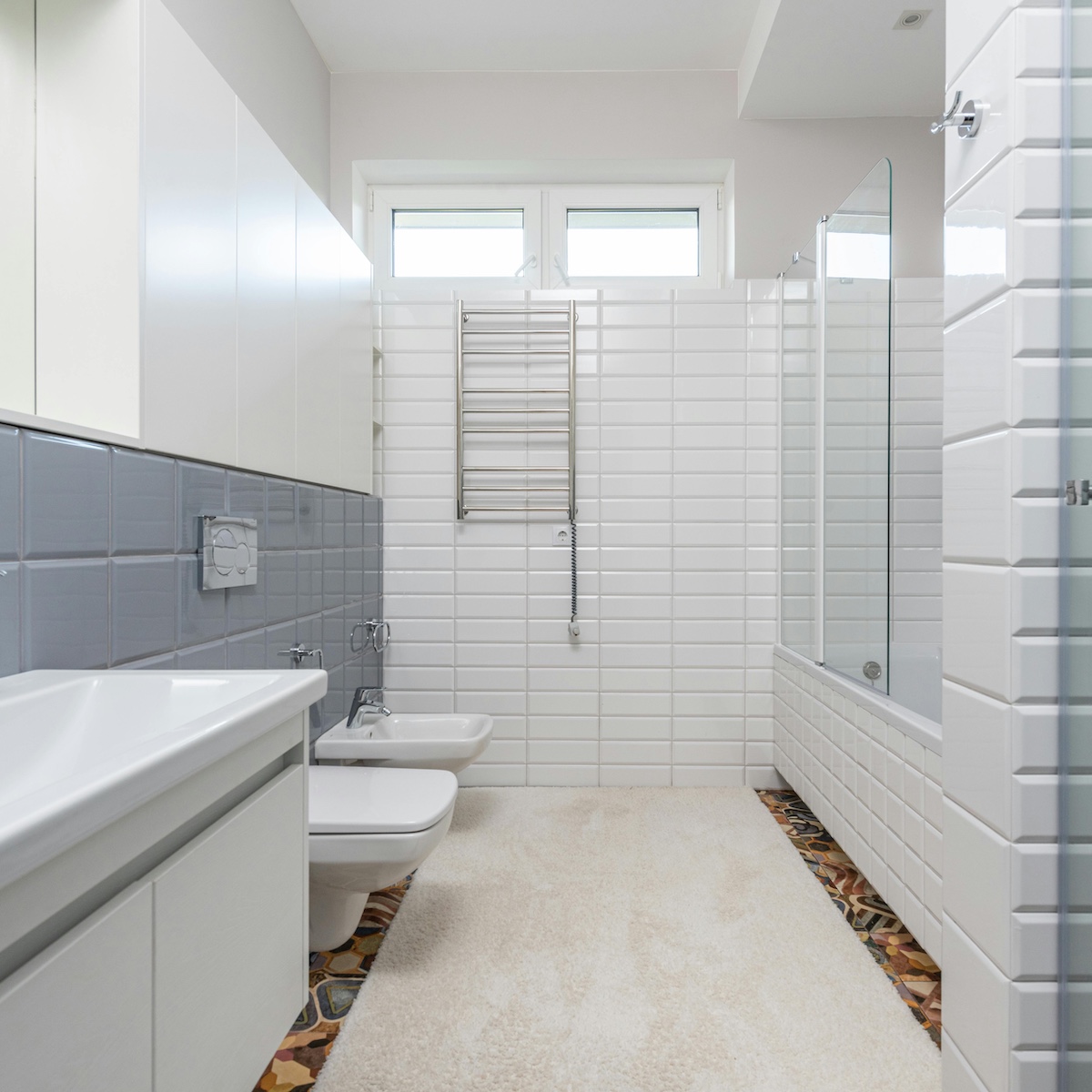
Let’s talk about the bathroom. It’s the first place you go in the morning and the last place you visit at night. If it doesn’t function well, your entire day feels off.
People planning for long-term comfort should think beyond pretty finishes.
Some practical bathroom renovation tips to consider early on include selecting non-slip flooring, improving lighting, and adding accessible storage.
These details matter. They help prevent slips, support changing family needs, and make your morning routine smoother.
Modern Upgrades
Modern upgrades also reflect shifting attitudes toward home ownership. People no longer treat houses as fixed assets to keep pristine and untouched.
They treat them like tools, functional, flexible, and worthy of change.
Just like you wouldn’t use a flip phone in 2025, you shouldn’t be navigating a cramped bathroom with poor lighting.
Also, a large portion of American homes are showing their age. Around 44% were built before 1970, which means many were designed for lifestyles that no longer exist.
Everything from ceiling heights to doorways to storage was planned with a different era in mind, one without laptops on kitchen counters or multiple people working from home.
Millions of families are now adapting outdated layouts to meet modern needs.
It’s not about chasing trends. It’s about letting go of the idea that your house should stay the same while your life changes completely.
Make the Small Stuff Easier, and the Big Stuff Will Follow
Home isn’t just a backdrop. It shapes your routines, your relationships, and even your mental health.
If your kitchen is always cluttered, you’re more likely to skip cooking and order takeout.
If your bathroom is cold and dim, you won’t look forward to relaxing in the tub. These small discomforts have ripple effects.
Start with what’s annoying. Seriously. That one drawer that always sticks. The outlet that never works.
The showerhead that sprays sideways. These things seem minor until they pile up. Once you fix them, your day flows better.
For families juggling work, school, and caregiving all under one roof, convenience isn’t a luxury.
It’s the difference between calm and chaos. One example: motion-sensor lights in frequently used spaces like mudrooms or pantries.
They're inexpensive, easy to install, and surprisingly helpful when your hands are full of groceries or toddlers.
Open Floor Plans
Open floor plans are also getting a second look. Once loved for their sense of space, they now clash with remote work and schooling.
People need zones, quiet places to focus, soft corners to relax, and surfaces that double as desks.
A simple change like adding sliding doors or creating a reading nook with better lighting can shift the whole mood of a room.
And then there’s temperature control. Homes with old insulation or inconsistent heating and cooling can make every season a battle.
Smart thermostats and better ventilation systems aren’t just tech upgrades.
They directly impact your comfort and your energy bills. And in extreme weather events, which are increasing year by year, they can help keep your household safe.
🤖 Looking For An Answer?
Ask AI to summarise this post to see if the article answers your questions:
Why This Isn’t Just a Style Decision
Design has always walked the line between expression and function. But now, the function side is winning.
People aren’t just picking materials based on colour swatches.
They’re asking: Can I clean this quickly? Will this break down in a year? Does this make daily life simpler?
Take storage. Open shelving looks great on Instagram. But in real life? It collects dust and demands constant arranging.
Closed cabinets, deep drawers, and vertical organisers may be less flashy, but they win the day-to-day test.
The same goes for flooring. Hardwood is beautiful, but if you have pets or kids, it can feel like a full-time job to maintain.
Engineered options or high-end vinyl are often more forgiving without sacrificing appearance.
The Work-From-Home Shift
And let’s talk about time. The work-from-home shift gave many people a clearer view of how poorly their homes were serving them.
It’s no coincidence that home improvement spending shot up during and after the pandemic.
People started noticing the squeaky doors, the bad lighting, and the awkward furniture layouts.
The home was no longer where you came to rest. It was where you worked, taught, parented, exercised, and tried not to lose your mind.
Designing for today means making peace with mess. Not everything needs to be sleek and sterile.
Sometimes, creating a home that works means accepting a bit of controlled chaos and making room for it, literally.
- Parents Are Prioritising Breathable, Sustainable Fabrics For Children's Seasonal Sleepwear
- Our Homemade Christmas Printables, Made With AI: What Worked, What Didn't, and What I'm Saving for Next Year
- At-Home vs. In-Lounge IV Therapy in the Hudson Valley: Which Makes More Sense?
- Can Passengers Pursue Compensation After a Car Accident?




All in all, your home shouldn’t just reflect who you are; it should work with you.
When you focus on function over flash, your space stops being a project and starts becoming a partner.
Today’s trend toward sustainable, adaptable living is about homes that grow with you, not against you.
Durable materials, flexible layouts, and smart upgrades matter more than picture-perfect looks.
Life changes fast, and your home should be ready for it. So fix that sink, open up that hallway, and make room where it counts.
The best homes aren’t perfect; they’re simply built for now.





Leave a Reply