

What to Expect During a Routine Dental Exam involves more than just checking for cavities; it’s about ensuring your overall oral health stays in top shape.
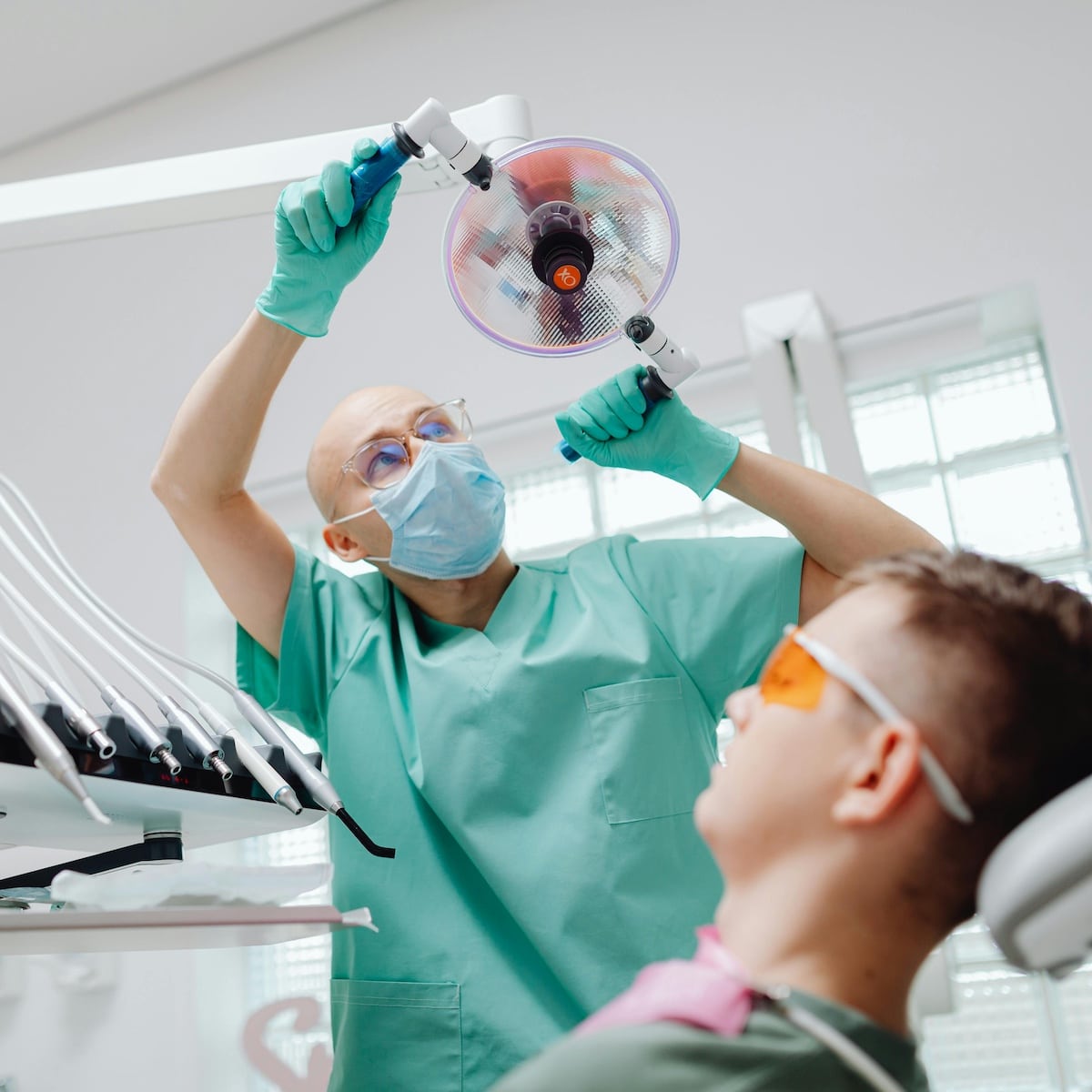
During the visit, your dentist will typically perform comprehensive dental check-up procedures such as examining your teeth, gums, and mouth for signs of decay, gum disease, or other concerns.
Professional cleaning helps remove plaque and tartar that brushing alone can’t reach, leaving your smile feeling fresh and polished.
X-rays may be taken to spot hidden issues, while your dentist also provides personalized advice for daily care.
Regular visits for preventive oral health care help catch small problems early, saving time, discomfort, and cost in the long run.
Staying consistent with dental exams is one of the easiest ways to protect your smile for years to come.
Understanding what happens during a dental exam can help you feel more comfortable and prepared for your visit.
From the initial check-in to the cleaning and final discussion, every step serves an important purpose in ensuring a bright and healthy smile.
Jump to:
The Initial Consultation and Medical Review
When you first arrive at the dental office, your visit usually begins with a brief consultation and review of your medical history.
According to Dr. Kwang H. Cho, the dental team will ask about any changes to your health, medications you’re taking, or recent symptoms you’ve noticed.
This information helps your dentist understand how your health might affect your oral condition.
Certain medications can cause dry mouth, while conditions like diabetes can increase your risk of gum disease.
The consultation is your chance to discuss any concerns, such as tooth sensitivity, jaw pain, or cosmetic goals.
The Visual Examination of Teeth and Gums
Once your medical information is updated, your dentist or hygienist will begin the visual examination.
Using a small mirror and bright overhead light, they’ll carefully inspect your teeth, gums, tongue, and the inside of your cheeks.
They’ll look for signs of cavities, plaque buildup, gum inflammation, and any irregularities in the soft tissues.
Gum health is particularly important, as early signs of gingivitis can be easily treated.
Advanced periodontal disease can lead to tooth loss if ignored. The dentist may check your bite alignment and jaw movement.
This visual inspection is a crucial step in detecting early problems.
Dental X-Rays for a Deeper Look
Not all dental issues can be seen with the naked eye. Depending on how long it’s been since your last set, your dentist might recommend new X-rays to check for cavities between teeth, bone loss, or other issues hidden beneath the surface.
The process is quick, painless, and uses minimal radiation exposure thanks to modern digital technology.
These detailed images allow your dentist to identify problems early, such as infections, impacted teeth, or even cysts that could affect your oral health in the long term.
X-rays provide a deeper look at your dental structure, ensuring that no hidden issue goes unnoticed.
Professional Cleaning and Plaque Removal
Perhaps the most refreshing part of the dental exam is the professional cleaning performed by a dental hygienist.
Plaque, a sticky film of bacteria, can harden into tartar, which regular brushing and flossing can’t remove.
Using specialized tools, the hygienist gently removes these deposits from your teeth along the gumline and in hard-to-reach areas.
This process, known as scaling, helps prevent cavities and gum disease.
After scaling, your teeth are polished with a gritty paste to remove surface stains and leave them feeling smooth and shiny.
A final flossing ensures all remaining debris is cleared away.
🤖 Looking For An Answer?
Ask AI to summarise this post to see if the article answers your questions:
Evaluation of Gum Health and Oral Hygiene Habits
The dentist will evaluate the health of your gums. Using a small probe, they’ll measure the depth of the spaces between your teeth and gums, known as “pockets.”
Shallow pockets indicate healthy gums, while deeper ones may suggest gum disease.
Your dentist will assess how effectively you’ve been brushing and flossing, offering personalized tips.
This might include demonstrating better brushing techniques, recommending certain toothpaste or mouthwash, or suggesting adjustments to your diet.
The goal is to address existing issues and to equip you with the knowledge to prevent future problems.
- Parents Are Prioritising Breathable, Sustainable Fabrics For Children's Seasonal Sleepwear
- Our Homemade Christmas Printables, Made With AI: What Worked, What Didn't, and What I'm Saving for Next Year
- At-Home vs. In-Lounge IV Therapy in the Hudson Valley: Which Makes More Sense?
- Can Passengers Pursue Compensation After a Car Accident?




Discussion, Recommendations, and Next Steps
Your dentist will review all findings and discuss the next steps with you.
If any issues were detected, such as cavities, worn fillings, or signs of gum disease, they’ll explain your treatment options in detail.
You’ll have the opportunity to ask questions, clarify concerns, and understand the costs or procedures involved.
Even if everything looks great, your dentist may still provide preventive advice, like scheduling fluoride treatments or using night guards for teeth grinding.
Before you leave, the front desk will help you set up your next routine check-up, usually six months later.
A routine dental exam is a comprehensive health check for your mouth.
Each step, from the medical review to the cleaning and consultation, is designed to detect problems early and maintain your oral well-being.
Regular visits to the dentist keep your smile bright and can prevent more serious and costly dental issues down the road.
By knowing what to expect and staying consistent with your check-ups, you’re investing in a healthier, more confident future, one smile at a time.





Leave a Reply