

Ensuring Reliable Warmth Through Every Cold Season starts with understanding how preparation and maintenance work together to keep your heating system efficient.
Consistent inspections, filter changes, and tune-ups help prevent sudden failures and ensure smooth operation throughout winter.
Investing in energy-efficient heating systems not only provides reliable comfort but also reduces energy bills and environmental impact.
Homeowners and businesses alike benefit from scheduling seasonal HVAC maintenance before temperatures drop, identifying small issues before they turn into costly repairs.
Upgrading insulation, sealing drafts, and using smart thermostats can further enhance comfort and efficiency.
With proactive care and modern technology, it’s possible to maintain steady warmth, protect your property, and enjoy peace of mind all season long.

Jump to:
Efficient Heating for Long-Term Comfort
The pursuit of energy efficiency has become central to how homeowners and property managers approach heating.
At the heart of every reliable system lies an understanding of energy consumption and how it translates into comfort and cost.
Modern systems are designed to deliver consistent heat output while reducing wasted energy.
This balance supports lower utility bills and extends the lifespan of the equipment.
When people look for heating services, they often seek professionals who can assess current systems, suggest upgrades, and install units that perform efficiently without inflating costs.
By selecting systems that match the property’s size and insulation quality, households can maintain steady indoor temperatures and minimize energy loss.
Efficient heating is not only about technology but also about consistent performance.
Regular checks, clean filters, and balanced airflow keep systems running at their best.
A unit that functions efficiently requires less energy to reach the desired temperature and maintains it more evenly.
This efficiency not only reduces environmental impact but also creates a more sustainable pattern of energy use over time.
The Role of Regular Maintenance
A heating system, much like any complex machine, benefits greatly from regular attention.
Maintenance keeps small issues from turning into costly repairs.
Technicians can inspect internal components, identify wear or corrosion, and replace parts before they fail.
Cleaning ducts and vents improves airflow, ensuring the heat produced by the system reaches every part of the building.
Homeowners who schedule maintenance before the start of the cold season often experience fewer breakdowns during the months when the system works hardest.
Early inspection helps catch leaks, faulty ignition systems, or irregular thermostat readings.
These small fixes can prevent extensive damage and extend the system’s operational life.
Consistent maintenance also supports better indoor air quality, since clean filters and vents reduce dust and allergens circulating through the air.
A well-maintained system translates to steady comfort, peace of mind, and long-term savings.
🤖 Looking For An Answer?
Ask AI to summarise this post to see if the article answers your questions:
Understanding Different Heating Options
Every property has unique needs, and selecting the right heating method requires an understanding of the available technologies.
Traditional furnaces remain a common choice, using natural gas or oil to produce heat.
They are known for reliability and power, making them suitable for larger spaces.
Heat pumps, on the other hand, offer an energy-efficient alternative by transferring heat from one place to another.
Modern heat pumps can operate effectively even in colder climates, delivering warmth without excessive energy consumption.
Radiant heating systems, which distribute heat through floors or walls, offer a more uniform temperature and eliminate the drafts often found with forced-air systems.
Electric baseboard heaters serve smaller areas effectively, providing targeted warmth in spaces that do not require central systems.
Understanding how each system works helps property owners make informed choices based on their budget, local climate, and energy preferences.
Consultation with qualified professionals ensures the chosen option aligns with both comfort and efficiency goals.
Smart Technology and Energy Management
The advancement of home automation has reshaped how people manage indoor comfort.
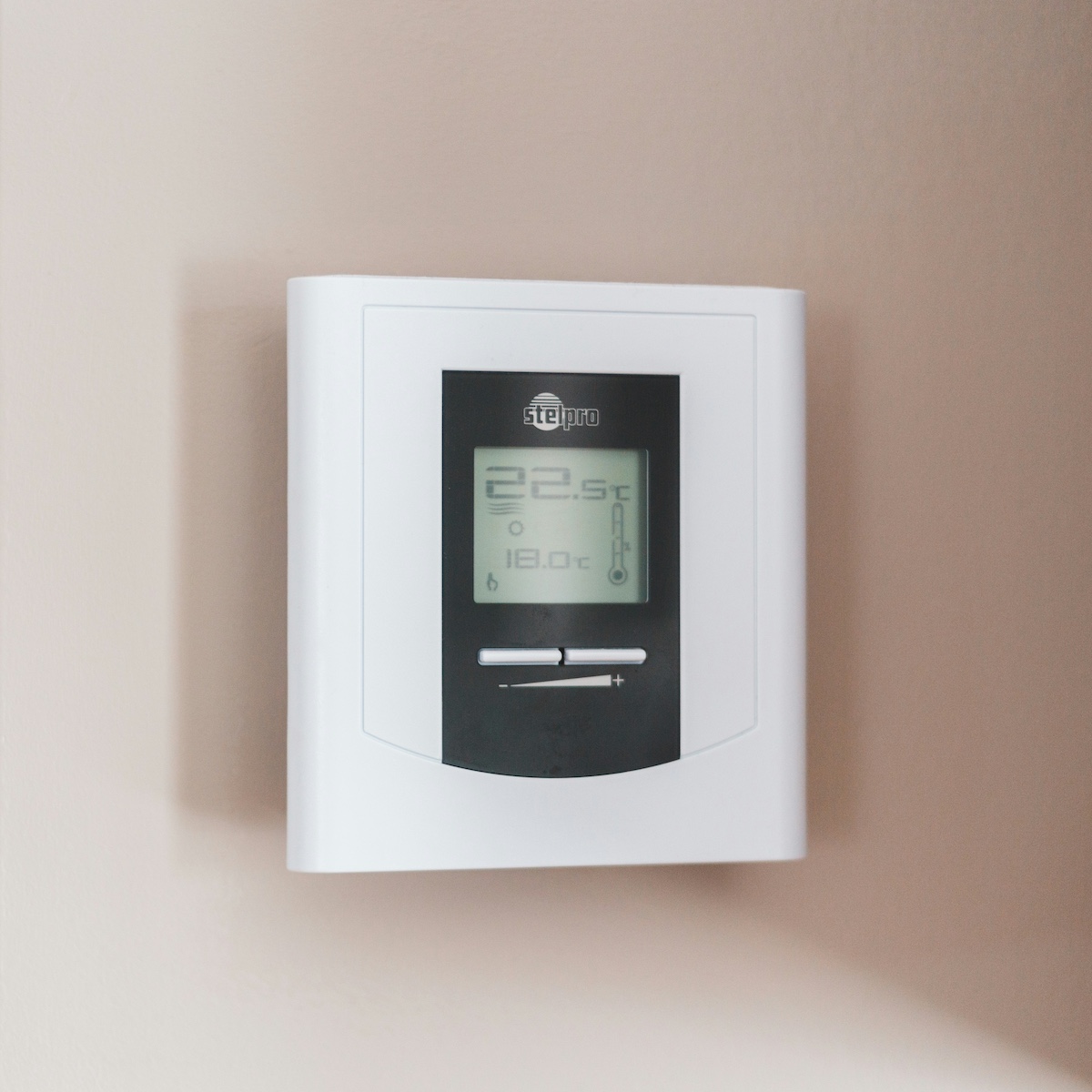
Smart thermostats and connected heating systems allow users to control temperatures remotely through smartphones or voice commands.
These tools help reduce unnecessary energy consumption by adjusting heat output based on occupancy and time of day.
Data-driven insights from smart systems can reveal patterns in energy use, making it easier to identify opportunities for further savings.
Integration with renewable energy sources, such as solar panels, adds another layer of sustainability.
Homeowners can generate part of their own energy, reducing reliance on external suppliers and lowering overall costs.
The use of smart sensors can even detect changes in humidity or outdoor temperature, prompting automatic adjustments that keep indoor conditions stable.
The Impact of Insulation and Air Sealing
No heating system can perform at its best if heat escapes through cracks, unsealed joints, or poorly insulated walls.
Proper insulation acts as a barrier that retains warmth inside while preventing cold air from entering.
Many older buildings lose significant energy through the roof, windows, and floors.
Investing in improved insulation materials can dramatically reduce heat loss and, in turn, reduce the workload of the heating system.
Air sealing complements insulation by addressing gaps and leaks around doors, windows, and ducts.
Weatherstripping and caulking are simple but effective solutions that contribute to a consistent indoor temperature.
These improvements create a more stable environment where heating systems can operate efficiently without overexerting themselves.
For homeowners, better insulation and sealing translate to fewer drafts, quieter spaces, and noticeable savings on energy bills.
- Parents Are Prioritising Breathable, Sustainable Fabrics For Children's Seasonal Sleepwear
- Our Homemade Christmas Printables, Made With AI: What Worked, What Didn't, and What I'm Saving for Next Year
- At-Home vs. In-Lounge IV Therapy in the Hudson Valley: Which Makes More Sense?
- Can Passengers Pursue Compensation After a Car Accident?




Preparing for the Unexpected
Cold seasons can be unpredictable. Power outages, extreme weather, or sudden system failures can leave a household without heat at the worst possible time. Preparation reduces the stress of such situations.
Keeping backup heating options, such as portable heaters or gas fireplaces, provides a temporary solution until repairs are completed.
Storing extra fuel for oil or wood systems can also prevent interruptions.
Routine checks of carbon monoxide detectors are crucial for safety, especially when using combustion-based heating.
Families should have a clear plan for what to do if their primary heating system stops working.
This might include knowing who to call for emergency repairs, maintaining a list of service providers, and keeping warm blankets and insulated curtains ready.
Simple measures taken before the cold sets in can make all the difference when unexpected challenges arise.
Dependable warmth through the cold months depends on thoughtful preparation, efficient equipment, and consistent maintenance.
Modern technology continues to make heating systems smarter and more energy-conscious, but their effectiveness still relies on proper care and informed choices.
From improving insulation to embracing new control systems, every effort contributes to both comfort and sustainability.
The goal is not just to stay warm but to do so in a way that balances cost, efficiency, and environmental responsibility.
A well-managed heating system brings more than comfort; it creates peace of mind through every cold season, reminding us that reliability begins with careful attention and wise investment.





Leave a Reply