

Keep Your Home Warm Without Unexpected Breakdowns by taking proactive steps to care for your heating system before winter sets in.
Regular tune-ups, filter changes, and inspections can help prevent sudden malfunctions and ensure steady performance throughout the cold season.
Scheduling professional furnace maintenance allows technicians to identify potential issues early, improving energy efficiency and extending equipment lifespan.
Homeowners should also focus on heating system efficiency tips, such as sealing windows, insulating attics, and using programmable thermostats to maintain consistent warmth while reducing energy costs.
By combining preventive care with smart home habits, you can enjoy a comfortable, worry-free winter and avoid costly emergency repairs.
Regular maintenance can help avoid surprises during peak cold periods and prevent emergency repairs.
Transitioning to efficient heating and understanding the basics of heat management will worry about breakdowns and more time enjoying comforting warmth.

Jump to:
Know Your Heating System
Every home uses one of several heating systems, including furnaces, heat pumps, and boilers, each having its own unique characteristics and maintenance requirements.
Know how your specific system functions. A furnace utilises gas or electricity to generate heat, whereas heat pumps transfer heat from the outside air or ground into your home.
Homeowners can take necessary actions towards efficient heating.
Recognizing potential issues early on can save money and time in the long run.
Taking the time to familiarize yourself with your heating system can help identify warning signs of wear and tear.
Listen for unfamiliar sounds, as strange noises can indicate a malfunction.
If a specific room remains cold while others are warm, it may signal a problem with your ductwork or distribution system.
Regular checks on air filters can maintain airflow efficiency, so replace filters when they appear dirty or at least once every few months.
The Importance of Regular Maintenance
Many homeowners overlook regular maintenance of their heating until a problem shows up. Regular checks boost efficiency and extend the lifespan of your heating system.
A well-maintained system can last up to 15 years or more, whereas neglected systems deteriorate rapidly.
Investing in professional heating maintenance gives you assurance that your system is prepared for winter.
During maintenance, technicians check for heat exchangers, ignition systems, and electronic controls. They can identify minor problems before they escalate into major repairs.
Replacing a worn-out component before it fails can avoid a sudden system breakdown and the discomfort it brings.
Regular maintenance is about preventing disruptions to your home’s warmth and economy for a sustainable living environment during the cold season.
Signs Your Heating System Needs Attention
Recognizing early warning signs can encourage quick action and necessary repairs.
A sign to watch for is long heating cycles: if your system is running longer than usual, this may indicate inefficiencies. Fluctuations in temperature throughout the home can suggest issues with radiators or ductwork.
More than just discomfort, unexpected spikes in utility bills can serve as a signal that your heating system is working harder than it should.
Other indicators to consider include the presence of strange noises or unconventional smells.
Banging or hissing sounds will point to deeper issues in the system.
A persistent burning smell could signify electrical problems. Immediate attention to these signs prevents expensive repairs.
Creating a checklist of these signs can mitigate the risk of unexpected breakdowns that can leave you in discomfort.
Create a Heating Schedule
Establishing a heating schedule provides advantages in preserving warmth and longer equipment life.
When you strategically schedule the heating system's operations, you can maintain a balanced temperature in your home.
This could mean setting your thermostat to a lower temperature during the night's sleep and a higher temperature when activities resume in the day.
Look into home occupancy patterns and the specifics of your heating setup, which can optimize energy usage.
Your schedule can incorporate the timing for maintenance checks, enabling you to anticipate when your system requires service.
If you notice that your system runs but doesn’t produce adequate heat, scheduling a maintenance visit might be necessary.
A professional technician may recommend strategic adjustments to your schedule based on their observations so that you get the most efficient performance from your heating system.
🤖 Looking For An Answer?
Ask AI to summarise this post to see if the article answers your questions:
Energy-Efficient Heating Solutions
A wide range of energy-efficient heating solutions can contribute to your home's warmth without increasing utility expenses.
Switching to energy-efficient systems, such as ENERGY STAR-rated furnaces and heat pumps, can lead to major savings on heating costs.
Renewable energy alternatives like solar heating contribute to minimizing carbon footprints. These options have upfront costs but pay off through savings.
Investing in smart thermostats allows for better control and monitoring of your heating systems.
Some models can even learn your preferences and adjust automatically.
This results in maintaining comfort and optimizing energy consumption.
Regular assessments of your heating approach adapt to changes in technology and available options, making your living environment more energy-conscious.
Emergency Preparedness for Heating Failures
Preparing for an unexpected heating breakdown can be necessary for comfort during the harsh winter months.
The best way to be ready is to assemble an emergency kit stocked with blankets, a flashlight, and a first aid kit.
Familiarising yourself with alternative sources of heat can provide an effective interim solution.
Any alternative heating devices comply with safety standards and guidelines to avoid hazards.
Have the contact information of reputable local technicians for emergencies.
Having a relationship with a maintenance service guarantees rapid assistance during emergencies, avoiding prolonged discomfort.
Creating a detailed action plan can provide clarity in stressful scenarios for a more composed and efficient approach when your heating system fails.
Managing a heating failure smoothly can mitigate discomfort and allow for quicker resolutions, keeping your home warm and safe.
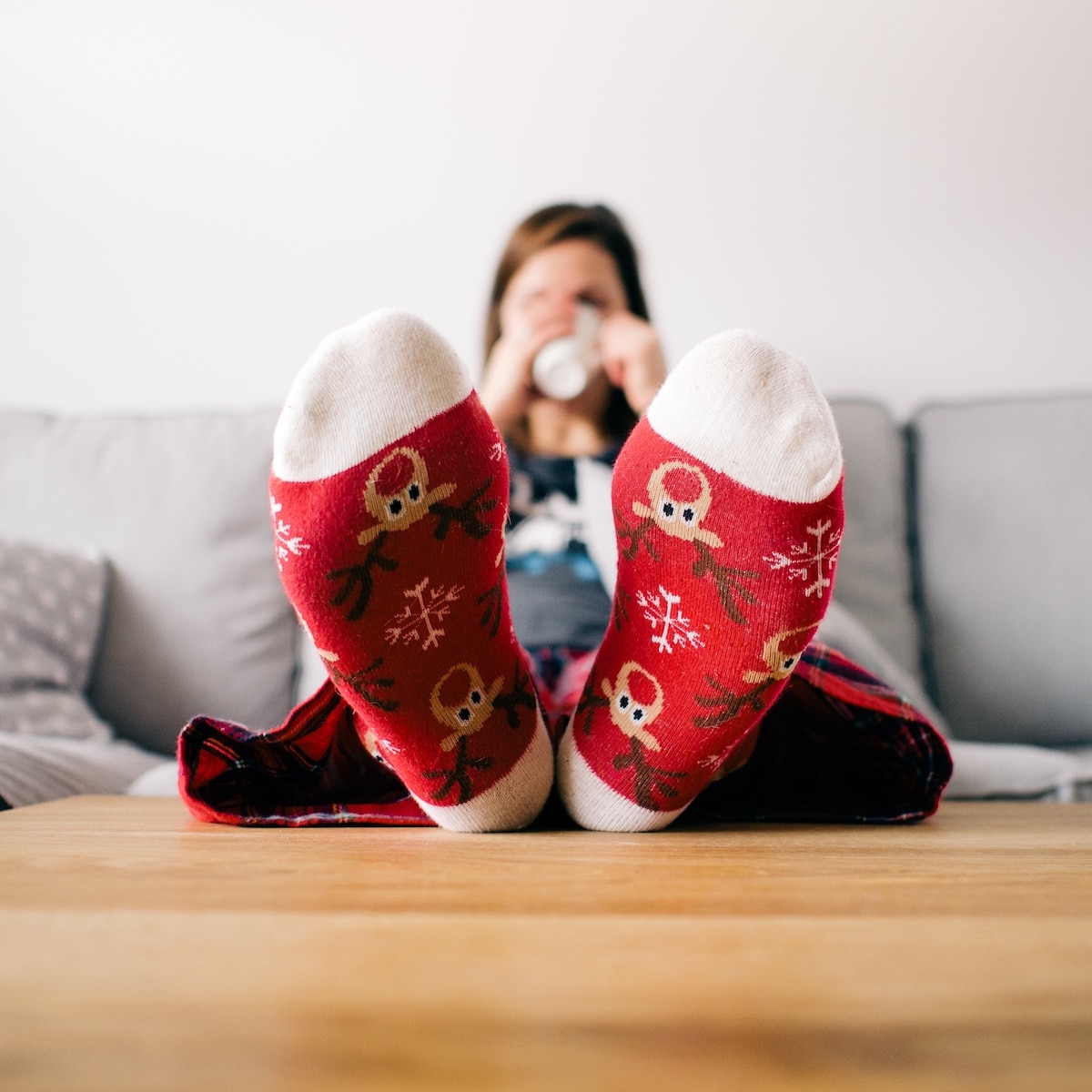
- Parents Are Prioritising Breathable, Sustainable Fabrics For Children's Seasonal Sleepwear
- Our Homemade Christmas Printables, Made With AI: What Worked, What Didn't, and What I'm Saving for Next Year
- At-Home vs. In-Lounge IV Therapy in the Hudson Valley: Which Makes More Sense?
- Can Passengers Pursue Compensation After a Car Accident?




Energy Conservation Tips for a Warm Home
Conserving energy and keeping your home comfortable involves several strategies that can result in a significant impact. A simple yet effective option so that your home is properly insulated.
Insulation retains heat and reduces energy costs, providing an efficient warmth mechanism. Sealing gaps around doors and windows will maintain warmth effectively.
Regularly checking your insulation's integrity so that your heating system does not work harder than needed.
Using heavy-duty curtains can provide extra insulation and stop drafts. When maintaining warmth, lower the thermostat a degree or two when comfortable.
Even minor adjustments can generate noticeable energy cost reductions.
Air circulation with fans can stabilize temperatures throughout the home, contributing to a consistently warm environment without over-reliance on heating systems.
Maintaining a warm home without unexpected breakdowns is an achievable goal with the right strategies.
Once you understand your heating system, prioritize key maintenance, and be prepared for emergencies, you can create a welcoming, warm atmosphere throughout the winter months.





Leave a Reply