

What defines a True Fine Dining Experience goes far beyond elegant décor or a pricey menu; it’s about precision, atmosphere, and emotion working together to create something unforgettable.
Every aspect, from the first warm greeting to the final bite of dessert, reflects the chef’s artistry and the staff’s dedication to hospitality.
True gourmet dining experiences blend impeccable service, premium ingredients, and innovative presentation to engage all the senses.
Attention to detail, like perfectly paired wines, ambient lighting, and well-timed courses, transforms an ordinary meal into a moment of connection and delight.
In essence, luxury restaurant service is not about excess but about intention, leaving guests with memories that linger long after the last course.
Each choice, from menu layout to lighting, works together to create a memorable gastronomic experience.
Let’s look at what truly defines this kind of experience.
Jump to:
The Heart of Hospitality
Fine dining begins with how you’re welcomed. It’s not only about saying “good evening”; it’s about setting the tone for everything that follows.
You’re not rushed to your table or ignored when you need help; everything feels balanced.
When you step into a luxury dining experience in Athens restaurant, you notice how staff members move with purpose.
They make eye contact, speak calmly, and understand when to step in or give you space.
That human connection forms the foundation of hospitality.
| Key Element | Description |
| Greetings | Personalized and respectful |
| Tone | Calm, confident, and friendly |
| Pace | Slow enough to feel relaxed, fast enough to stay efficient |
This kind of service creates trust. It reminds you that the evening is about you, not about rushing people in and out.
Food That Tells a Story
Fine dining food is more than beautiful presentation. It reflects creativity, local culture, and the chef’s skill.
Every ingredient, flavor, and color serves a distinct purpose.
Chefs often design tasting menus that build a story from start to finish.
You begin with light, bright flavors, move to rich and complex ones, and finish with something clean and refreshing.
It’s not random; it’s designed to take you on a journey.
What Makes a Fine Dining Menu Stand Out:
- Seasonal and locally sourced ingredients
- Balanced flavors that evolve with each course
- Presentation that feels natural, not forced
| Dish Component | Purpose |
| Ingredients | Reflect freshness and region |
| Flavor Profile | Builds consistency through courses |
| Plating | Adds visual rhythm and structure |
Even the portion size matters. Fine dining portions are intentionally smaller, allowing you to savour a greater variety without feeling weighed down or overwhelmed.
The Role of Atmosphere
The environment can alter the perception of a meal. Lighting, sound, and scent all play subtle but powerful roles in how you perceive taste.
That’s why fine dining restaurants spend as much time designing their interiors as they do curating their menus.
You’ll Often Notice:
- Soft lighting that highlights your plate
- Background music that matches the mood
- Tables spaced far enough for privacy
- Scents that never overpower the food
| Sensory Element | Impact on the Guest |
| Lighting | Creates calm focus and warmth |
| Sound | Encourages conversation without distraction |
| Scent | Enhances appetite without dominance |
When these details are right, you feel comfortable without even realizing why. You become more present and enjoy the food more fully.
This quiet comfort is a hallmark of the best dining rooms in major cities. For example, a Turkish restaurant in Knightsbridge uses soft lighting and warm colors to help guests unwind.
When the physical space feels welcoming, the meal itself becomes more enjoyable.
People can slow down and appreciate the flavors without feeling rushed. This balance between design and comfort is what makes a meal truly memorable.
Service That Feels Effortless
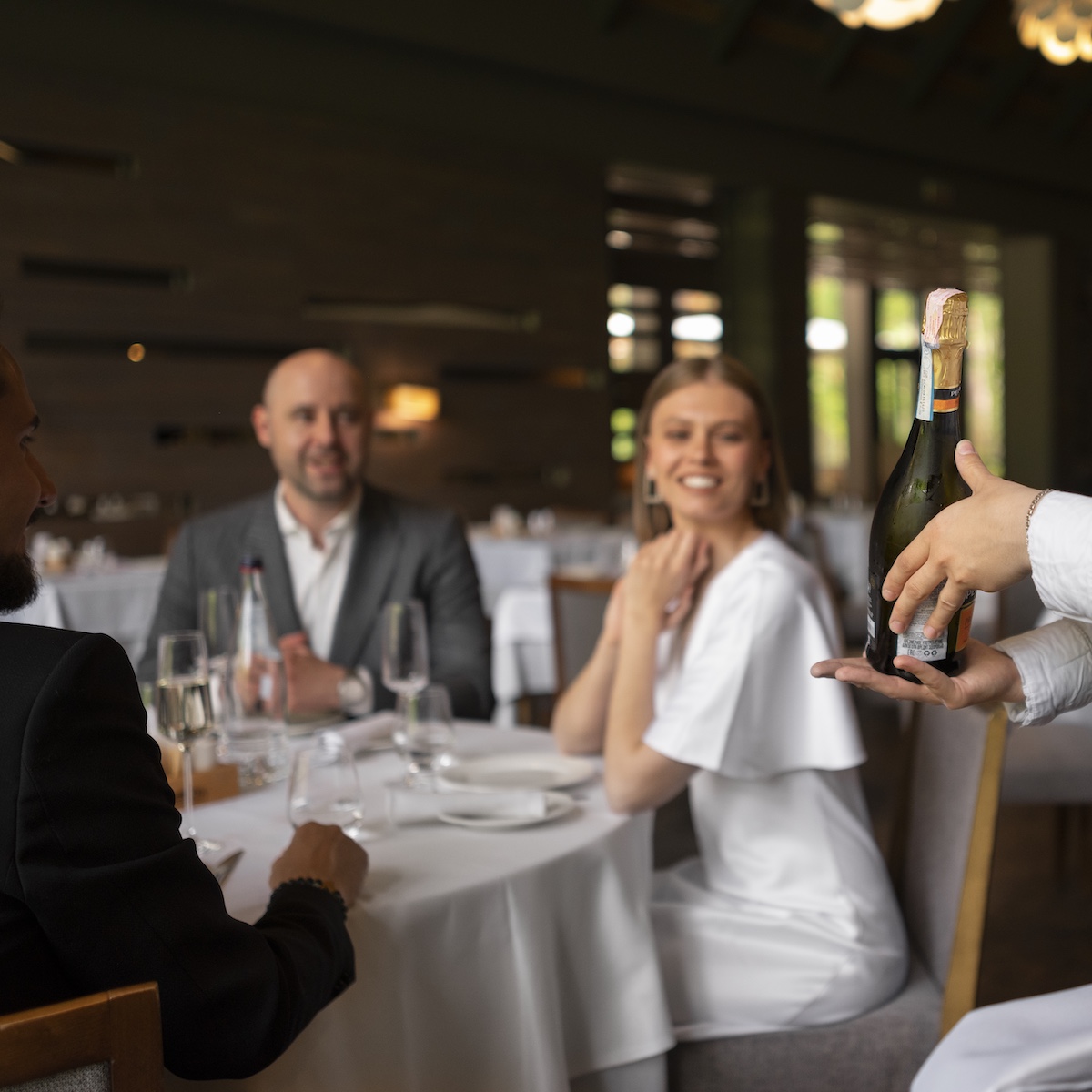
The rhythm of service in fine dining is like a quiet performance. Servers anticipate what you need before you say it, but they never hover over you.
Every movement is smooth and deliberate, and even tasks as simple as clearing plates or pouring wine have a rhythm.
What Defines Excellent Service:
- The staff remembers your name or preferences
- Courses are timed perfectly without delays
- You never have to ask twice for anything
| Service Factor | Ideal Approach |
| Communication | Clear, polite, and brief |
| Timing | Matches the natural flow of dining |
| Attention | Discreet but constant |
This invisible coordination creates ease. It helps you relax, focus on your company, and enjoy the food without distraction.
Emotion: The Secret Ingredient
The most memorable fine dining experiences stay with you because of the emotions they evoke.
It’s not about the price tag or reputation; it’s about how you feel during and after.
You remember the warmth of the service, the surprise of the flavors, and the calm that lingers afterwards.
Fine dining evokes emotion through storytelling, pacing, and genuine care. It transforms eating into something meaningful.
How Fine Dining Creates Emotion:
- Connecting food to culture and memory
- Offering small, personal touches throughout the meal
- Building anticipation from start to finish
| Emotional Element | Result |
| Thoughtful pacing | Relaxation and curiosity |
| Attention to detail | Feeling valued |
| Personal connection | Genuine satisfaction |
When emotion is part of the experience, the restaurant earns loyalty, not just customers.
🤖 Looking For An Answer?
Ask AI to summarise this post to see if the article answers your questions:
Why True Fine Dining Feels Different
What separates true fine dining from “fancy dining” is consistency.
Every visit should feel special, even if you order something simple. The service, presentation, and environment remain at the same high standard every time.
Fine dining isn’t about being perfect. It’s about being consistent, intentional, and human.
The goal is to make you feel respected and cared for without ever needing to ask for it.
Core Traits of True Fine Dining:
- Professional yet personal service
- High-quality ingredients with cultural context
- Harmony between food, design, and people
| Category | Defining Quality |
| Food | Creative, fresh, and meaningful |
| Service | Seamless and genuine |
| Space | Calming and well-balanced |
- Parents Are Prioritising Breathable, Sustainable Fabrics For Children's Seasonal Sleepwear
- Our Homemade Christmas Printables, Made With AI: What Worked, What Didn't, and What I'm Saving for Next Year
- At-Home vs. In-Lounge IV Therapy in the Hudson Valley: Which Makes More Sense?
- Can Passengers Pursue Compensation After a Car Accident?




Final Thoughts
Fine dining isn’t just for special occasions. Rather, it’s about celebrating craftsmanship and care.
It’s about slowing down, noticing the details, and appreciating the amount of work that goes into creating a single dish.
A true fine dining restaurant delivers more than a meal; it gives you a sense of time well spent.
When food, service, and atmosphere align, you leave with more than satisfaction.
You leave with gratitude, and that, more than anything else, defines a true fine dining experience.





Leave a Reply