

Health Risks of Mold and Safe Removal Tips highlight why every homeowner should treat mold as more than a cosmetic issue.
Prolonged exposure to mold can cause respiratory problems and allergic reactions, leading to coughing, wheezing, and irritation of the eyes and skin.
For those with weakened immune systems, symptoms can become even more severe, sometimes resulting in chronic illness.
Preventing mold starts with controlling moisture and humidity in your home.
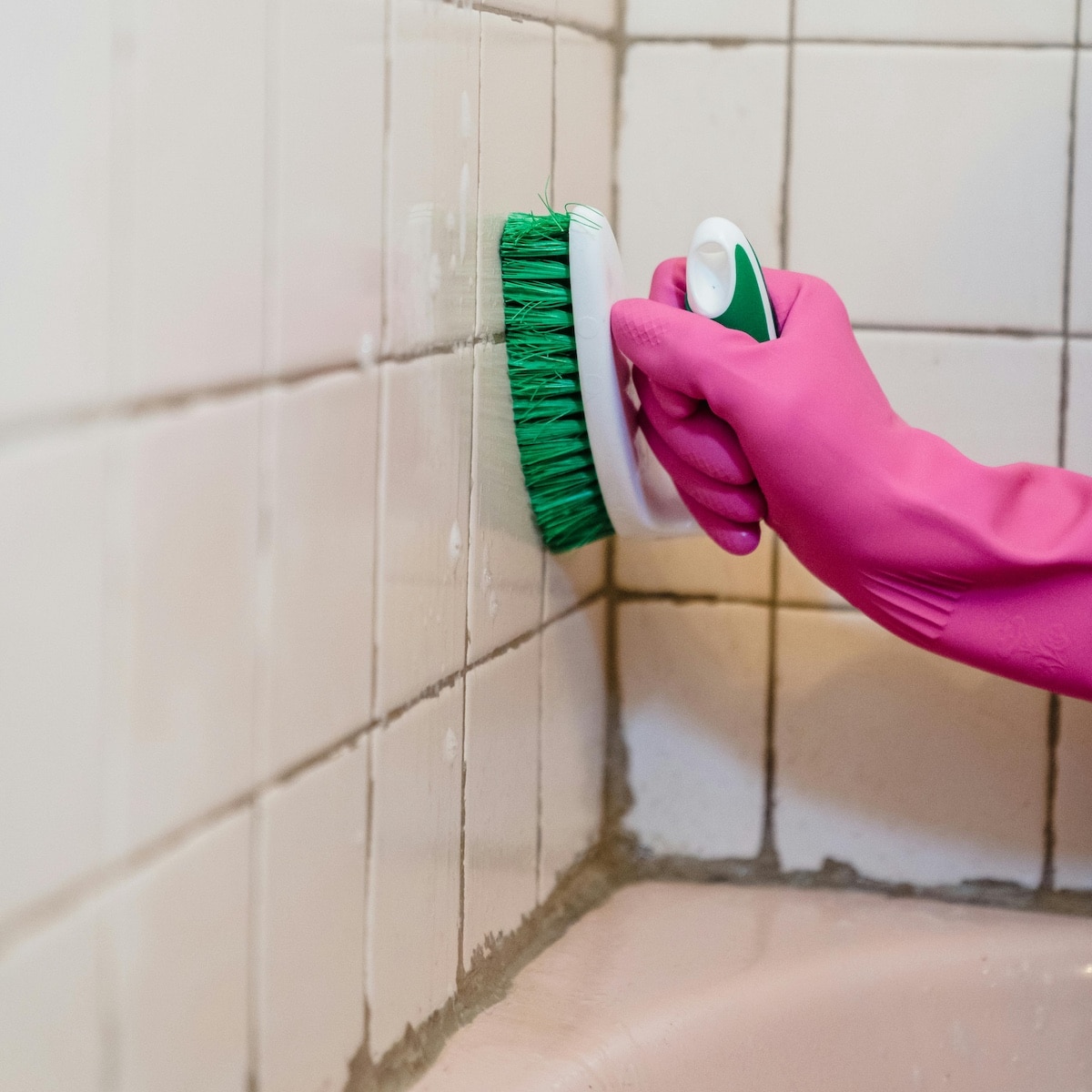
If growth occurs, follow safe mold removal practices such as using protective gear, cleaning with proper disinfectants, and improving ventilation to stop spores from spreading.
In extensive cases, professional remediation ensures thorough removal and long-term protection.
By understanding the health impact and acting early, families can maintain cleaner air and safer living spaces.

Jump to:
The Health Risks of Mold Exposure
The health implications of mold exposure can be serious and varied.
Common symptoms include nasal congestion, sore throat, coughing, skin irritation, and even more severe reactions like asthma attacks in sensitive individuals.
Mold can produce mycotoxins, which are toxic substances that can lead to more severe health effects if ingested or inhaled.
Long-term exposure has been linked to chronic respiratory conditions and potentially fatal lung diseases.
Hence, understanding the risks associated with mold exposure is crucial for maintaining a safe and healthy living environment.
Taking proactive steps to identify and address mold growth can greatly reduce these risks and protect well-being.
How Mold Enters Your Home
Mold spores can enter your home through various pathways.
They may hitch a ride on clothing, shoes, or pets, or they might be carried in through open doors and windows.
Mold requires moisture to grow, which is typically provided by high humidity levels, leaks, or condensation.
Areas prone to dampness, such as basements, bathrooms, and kitchens, are particularly susceptible to mold colonization.
Identifying these risk areas is the first step in preventing an infestation and ensuring your home's health remains uncompromised.
Recognizing Mold Growth
Mold can appear in many forms and colours, including black, green, white, and yellow.
It might take the form of fuzzy patches or stringy growths on various surfaces like walls, ceilings, or even fabrics.
Often, it may emit a musty odour that can readily indicate its presence.
Regular inspections of potential moist areas can help in early detection. Knowing the signs of a mold problem will enable homeowners to act swiftly, thus minimising health risks and the potential need for extensive remediation measures.
Early recognition protects the health of residents and prevents costly structural damage.
Staying vigilant and maintaining proper ventilation and moisture control are key steps in reducing mold proliferation.
🤖 Looking For An Answer?
Ask AI to summarise this post to see if the article answers your questions:
Mold Remediation Services
If you discover mold in your home, addressing it quickly is vital. DIY removal might be tempting.
It's crucial to understand that professionals often use specialised methods and tools to effectively eliminate mold while preventing its return.
Mold remediation services are founded on thorough assessments, ensuring that the underlying causes of mold growth, such as leaks or ventilation issues, are adequately addressed.
These services usually involve containment of the affected area, air filtration, and safe removal of materials infested with mold. Homeowners from all over north-central Colorado are always looking for professionals performing mold removal in Boulder, CO to make sure the cleanup is handled safely and the underlying moisture problem is identified. They often want a clear plan for next steps, including what areas will be tested, how the space will be protected during the process, and what measures will help prevent regrowth.
If you're looking for reliable expertise, it’s advisable to consult professionals who can effectively get rid of mold and ensure your space is safe and habitable.
Choosing experts can save you time, mitigate risk, and restore the integrity of your home.
The Importance of Preventing Mold Growth
Preventing mold from taking root in your home is critical. The most effective method is controlling moisture levels.
Keeping humidity levels below fifty percent is the standard recommendation for household environments, and using dehumidifiers in heavily humid areas can greatly help.
Proper ventilation in basements, attics, and bathrooms ensures that moisture doesn't stagnate.
Regular maintenance practices, including fixing leaks promptly and ensuring water drains away from the foundation of your home, go a long way in mold prevention.
Choosing mold-resistant products for construction and renovations can add a layer of defence against future infestations.
- Parents Are Prioritising Breathable, Sustainable Fabrics For Children's Seasonal Sleepwear
- Our Homemade Christmas Printables, Made With AI: What Worked, What Didn't, and What I'm Saving for Next Year
- At-Home vs. In-Lounge IV Therapy in the Hudson Valley: Which Makes More Sense?
- Can Passengers Pursue Compensation After a Car Accident?




Hostile Environments for Mold
While eliminating mold is unrealistic, creating an inhospitable environment can serve as an effective preventative measure.
Mold thrives in warm, damp conditions, so keeping spaces cool and dry is important.
Ensure that your home is well-insulated and that crawl spaces and basements are ventilated.
Substituting organic materials for non-organic substances in environmental settings reduces viable surfaces for mold growth, thus making it less likely for infestations to occur.
Regular cleaning with appropriate mold-inhibiting solutions can help keep surfaces clear of spores and deter growth.
Mold poses a significant health risk that cannot be ignored.
Understanding how it affects health, recognizing the signs of its presence, and taking steps to remediate and prevent growth are vital for maintaining a safe home environment.
While the risk of mold cannot be eliminated, implementing effective preventive measures and utilising professional remediation services can significantly reduce its impact.
Keeping a vigilant eye on areas prone to moisture and ensuring proper ventilation will contribute to a healthier indoor atmosphere.





Leave a Reply