

People experience a Headache After Botox more often than many expect, and while it can be concerning, it’s usually temporary.
Botox works by relaxing targeted muscles to smooth wrinkles or relieve certain medical conditions, but this process can sometimes trigger mild tension or discomfort as the body adjusts.
Factors like injection technique, muscle sensitivity, or even dehydration may contribute to post-treatment headaches.
For most individuals, these headaches fade within a few days as the Botox settles and the surrounding muscles adapt.
Understanding these reactions helps patients feel more prepared and reassured before treatment.
Consulting with a qualified practitioner, staying hydrated, and following aftercare instructions can all reduce the risk and make recovery smoother.
Understanding headache after Botox can help patients make informed decisions and prepare for potential side effects.
This post discusses the reasons behind headaches after Botox and how to manage them effectively.
Before diving into management strategies, it's important to first understand what Botox is and how it works in the body.
Jump to:
What Is Botox?
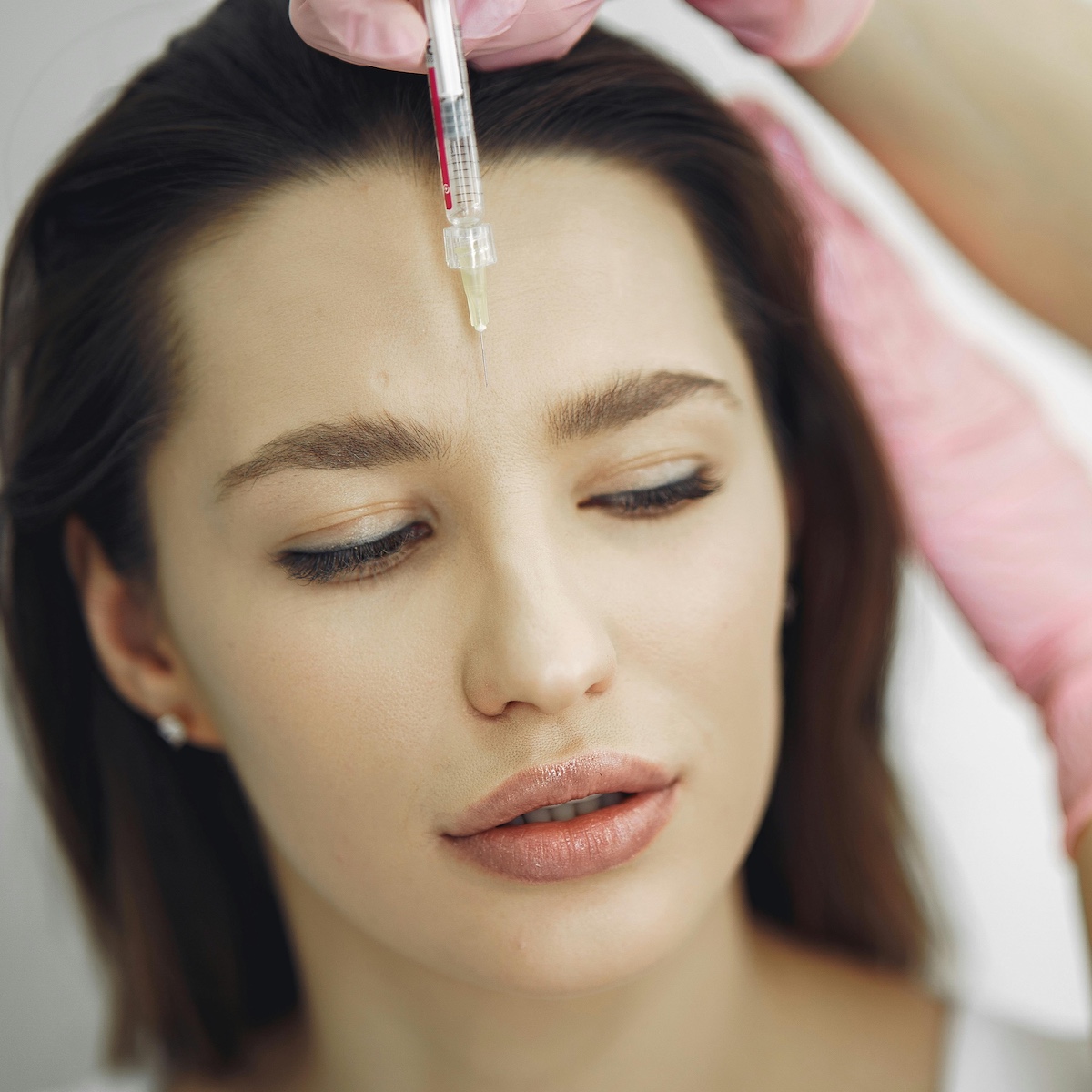
Botox is a purified protein that temporarily relaxes the underlying muscles. It smooths wrinkles and frown lines by blocking the nerve signals that cause muscles to contract.
It's commonly used on the forehead, around the eyes (crow's feet), and on the frown lines between the eyebrows.
In addition to cosmetic applications, Botox is used medically to treat conditions such as migraines and excessive sweating.
Potential Causes of Headaches
Several reasons can lead to headaches after getting Botox. One theory is that the injection process itself may cause discomfort.
The needle stimulates the skin and underlying tissues, causing minor trauma that can result in a headache.
Muscle tension could be another reason.
When some facial muscles become more relaxed than others, the remaining muscles may need to compensate by working harder.
This imbalance can produce tension-type headaches.
At the same time, stress or anxiety around the procedure could be a contributing factor.
For some people, the Botox formulation can cause a mild allergic reaction.
These reactions are rare, but they can create headache symptoms.
An allergic reaction should be evaluated by consulting a physician.
🤖 Looking For An Answer?
Ask AI to summarise this post to see if the article answers your questions:
The Role of Injection Technique
How the practitioner performs the procedure can greatly impact the results. Experienced professionals use precise methods to minimize side effects.
Proper injection depth and accurate placement are important factors in reducing complications.
If not done properly, the procedure can have side effects, including headaches.
Therefore, it's essential to choose qualified professionals for the best results.
Researching practitioners and asking for referrals can help you choose the right specialist.
Managing Headaches After Botox
There are several techniques you can use to relieve pain if you experience a headache after Botox.
According to the U.S. Food and Drug Administration, patients should always consult healthcare providers about managing side effects from medical procedures.
Over-the-counter pain-relieving medications are generally effective, but it's always advised to speak to your doctor before taking any medication, especially if you have existing health conditions.
A cold compress on the forehead can reduce swelling and relieve pain. Resting in a dark and quiet room might also help.
It's important to drink plenty of water and stay hydrated, as dehydration can trigger and worsen headaches.
If you experience frequent or severe headaches, seeing a doctor is important. If you’re also experiencing tension around your jaw muscles after treatment, gentle massage and relaxation techniques can support jaw pain relief and help ease overall facial discomfort.
A healthcare provider can evaluate the situation and suggest appropriate treatment solutions.
Preventive Measures
Several steps can help prevent headaches from occurring after Botox treatment.
It's vital to ensure that you work with a qualified and experienced practitioner.
Discussing your concerns and medical history with the provider can help tailor the procedure to your individual needs.
Managing stress and anxiety before the appointment can also help reduce your chances of developing a stress-related headache.
Simple techniques like deep breathing exercises can be helpful.
Following the practitioner's post-procedure instructions carefully is equally important.
Adhering to aftercare recommendations helps minimise side effects and promotes better recovery.
Understanding Individual Differences
Botox doesn't affect everyone in the same way. How it works depends on factors such as age, general health condition, and skin type.
While some people may not experience any side effects, others may develop headaches or other reactions.
Individuals need to understand their own health patterns and how they typically respond to medical procedures.
This awareness can help manage expectations and prepare for any discomfort the experience may cause.
When to Seek Medical Attention
While mild headaches after Botox are relatively common and often resolve on their own, certain symptoms warrant immediate medical attention.
Severe headaches that don't respond to over-the-counter medications, headaches accompanied by vision changes, or signs of allergic reactions, such as swelling or difficulty breathing, require prompt medical attention.
Patients should also contact their healthcare provider if headaches persist for more than a few days or worsen over time.
Long-Term Considerations
For people who experience headaches after their first Botox treatment, discussing alternatives with their healthcare provider is important.
Some patients may benefit from adjusting the dosage, changing injection sites, or exploring different treatment approaches.
Others might find that subsequent treatments cause fewer side effects as their body adapts to the procedure.
- Parents Are Prioritising Breathable, Sustainable Fabrics For Children's Seasonal Sleepwear
- Our Homemade Christmas Printables, Made With AI: What Worked, What Didn't, and What I'm Saving for Next Year
- At-Home vs. In-Lounge IV Therapy in the Hudson Valley: Which Makes More Sense?
- Can Passengers Pursue Compensation After a Car Accident?




Conclusion
Understanding why headaches after Botox happen to some people can significantly influence treatment decisions.
Recognising the common causes and knowing how to manage or prevent headaches will help those considering Botox approach the procedure with more confidence.
Choosing the right practitioner, being aware of your health conditions, and following aftercare recommendations are basic steps to minimize risks.
With proper consideration and preparation, you can experience the benefits of Botox while minimising the likelihood of side effects.





Leave a Reply