

When most people hear about facial surgery, they picture something extreme. Maybe it is the tight skin, a frozen smile, or a face that doesn’t quite match the person anymore. That reputation comes from older procedures, where skin was pulled too tightly and outcomes often looked unnatural.
But times have changed. Modern techniques are not about creating a new face; they’re about restoring your own. The focus today is on subtle, natural-looking improvements that bring back balance without making it obvious you’ve had work done.
That said, let’s take a closer look at how these treatments have evolved in places like New Jersey and why more people are embracing them. Dive into the article!
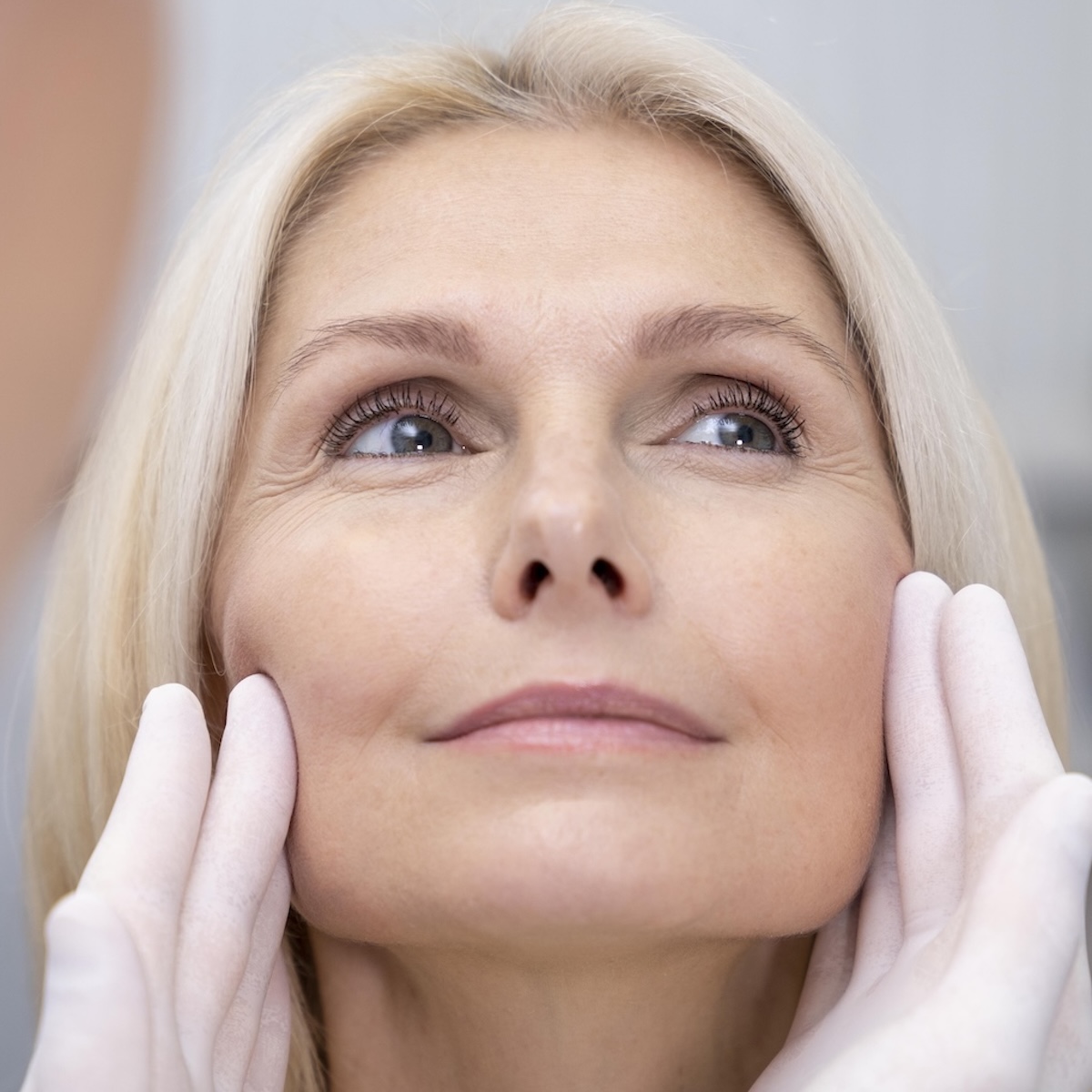
Why the Old Reputation Still Lingers
The idea that cosmetic surgery looks “fake” hasn’t disappeared entirely, and it’s worth understanding why.
Well, early methods mostly focused on stretching the skin. This gave temporary improvements, but also created that overdone look people now associate with plastic surgery. Scars were harder to hide, recovery was longer, and natural facial expressions sometimes suffered.
Today’s approaches, however, are very different. Instead of just pulling the surface, surgeons now reposition muscles, restore volume, and pay attention to how the entire face looks in harmony. That’s why results today appear fresher and far more natural.
How Modern Techniques Deliver Subtle Improvements
One reason people are turning back to facelifts is that the approach has become far more refined. Surgeons now work with the deeper layers of the face, not just the skin, to ensure results last longer and look balanced. They perform the following functions:
- Lifting deeper tissues: By repositioning muscles, surgeons create natural support instead of relying on skin tension.
- Restoring volume: With age, cheeks and mid-face areas lose fullness. Modern facelifts often include fat grafting or fillers to bring back softness.
- Discreet incisions: Cuts are placed along hairlines or natural creases, leaving scars nearly invisible once healed.
- Blended treatments: Procedures are often paired with eyelid lifts or skin resurfacing, so no single area looks “done.”
By the way, the surgeon’s expertise plays a huge role here. For instance, patients considering a facelift New Jersey often look for specialists like those at Glassgold Group who focus only on facial aesthetics. With experienced hands, these techniques enhance natural structure rather than change it, ensuring results that feel authentic.
🤖 Looking For An Answer?
Ask AI to summarise this post to see if the article answers your questions:
Recovery Is Now Easier Than Before
One reason people once hesitated about facelifts was the downtime. Years ago, recovery could stretch on for weeks with heavy swelling and noticeable bruising. Today, newer techniques are gentler, which means faster healing and less discomfort.
Most patients can return to light daily activities within two weeks, and scars are usually hidden well enough that they fade into natural hairlines or folds.
The good part? Some surgeons now use endoscopic tools. These are the tiny cameras that allow precise adjustments with smaller incisions. This means less trauma during surgery and an even smoother recovery process.
Why Results Look More Natural Today
Perhaps the biggest change in modern facelifts is the philosophy behind them. Instead of pulling skin tight and leaving faces expressionless, the goal is now restoration. Surgeons work to bring back the natural contours of the jawline, cheeks, and neck, while keeping a person’s unique expressions intact.
Friends might notice you look well-rested or more vibrant, but not necessarily guess you’ve had surgery. By blending improvements across multiple areas, the overall look feels balanced and refreshed rather than altered.
Who Benefits Most From a Modern Facelift
As we’ve already discussed, this procedure today isn’t about chasing perfection. Rather, it is about enhancing what’s already there. People in their 40s to 60s often consider the procedure when sagging skin, deep folds, or jowls no longer respond to skincare or non-surgical treatments.
But age isn’t the only factor. Lifestyle, genetics, and how your face naturally changes over time all matter. A consultation helps determine if surgery is the right step, or if smaller, non-invasive options might deliver the results you want for now.
To Sum It All Up!
Facelifts have evolved far beyond their old reputation. With modern techniques focusing on deeper tissues, volume restoration, and balance, the results are subtle and natural. Recovery is quicker, scars are discreet, and the refreshed look is about bringing back your best features—not changing them.
If you’ve ever worried that a facelift would make you look “different,” it may be time to rethink that idea. With skilled surgeons and modern approaches, today’s procedures are designed to deliver results that look and feel like the best version of you.





Leave a Reply