

Making the Best Aesthetic Considerations When Choosing Gutter Profiles is about blending practicality with visual harmony so your home looks polished and balanced.
While gutters are essential for protecting against water damage, their shape, finish, and placement directly influence curb appeal.
The right gutter profile can highlight architectural details, create symmetry, and prevent the roofline from looking cluttered or uneven.
Sleek half-round gutters may suit traditional or historic homes, while K-style profiles offer a sharper look that complements modern architecture.
Finishes also matter, as neutral tones can make gutters blend seamlessly into siding or trim, while bold colors can frame and accent exterior features.
Placement is equally important, since poorly aligned gutters draw the eye in distracting ways and disrupt exterior flow.
By considering design alongside function, homeowners can ensure gutters not only perform well but also enhance the style and character of the property.
Jump to:
Color Harmony and Visual Integration
The selection of gutter profiles always begins with color, since it is the feature most immediately noticed.
Whether the goal is blending with trim, complementing the roof, or standing out as a decorative detail, the shade chosen affects how unified the exterior appears.
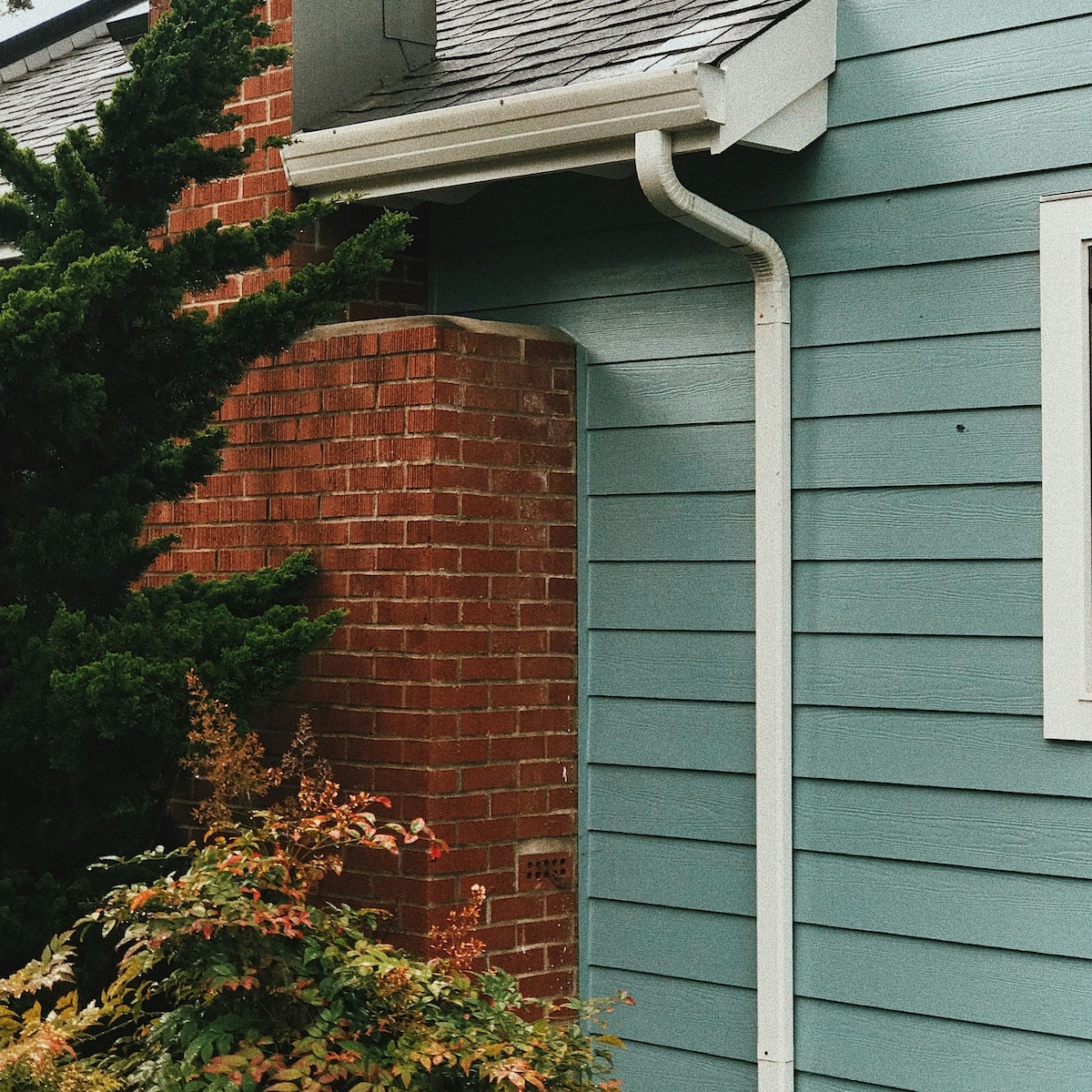
Many homeowners begin by choosing gutter colors that match existing design elements, which creates a sense of cohesion and avoids jarring contrasts.
Subtle tones, such as muted grays or earthy browns, can fade into the background, while bolder shades provide contrast and define architectural lines.
Beyond personal preference, the lighting conditions, roof materials, and siding hues all play roles in determining how the gutter color will read once installed.
A thoughtful choice ensures that gutters support the wider visual narrative rather than disrupt it.
Profile Shapes and Architectural Character
Different profiles bring a distinct character to a façade. The half-round profile conveys a timeless quality and works well with traditional, heritage, or European-style homes.
Its curved shape feels classic, softening rooflines while maintaining historical accuracy.
K-style profiles, on the other hand, suit modern and suburban homes with sharper lines.
Their angular design mirrors crown molding and fits naturally against contemporary architectural features.
Box gutters introduce a clean, linear look and often appeal to those who value minimalism in exterior finishes.
Each shape not only affects water flow but also contributes to the architectural personality of a building.
Selecting the right profile involves recognizing how it interacts with roof pitch, trim depth, and the proportions of windows and doors.
🤖 Looking For An Answer?
Ask AI to summarise this post to see if the article answers your questions:
Material Finish and Surface Appeal
Gutters come in a variety of materials, and each material carries unique visual qualities.
Aluminum, often painted or powder-coated, offers flexibility for matching specific color palettes.
Copper develops a natural patina that evolves over time, shifting from bright metallic to deep green, giving older homes a sense of heritage.
Steel can provide a sleek, industrial edge when left exposed or coated in darker shades.
Vinyl, while less customizable in terms of finishes, offers consistent coloring and is often selected for simple, uniform designs.
Beyond durability and cost, the choice of material influences the character of the exterior and can serve as either a subtle supporting feature or a statement detail.
The surface finish determines how reflective, understated, or dramatic the gutters appear when paired with roofing and siding textures.
Proportion and Scale in Exterior Balance
The visual weight of gutters depends heavily on their size relative to the building.
Oversized gutters may appear bulky, drawing unnecessary attention, while undersized versions risk looking flimsy against tall facades.
A proper scale allows gutters to perform their function without disrupting balance.
For multi-story homes with expansive rooflines, larger profiles look proportionate and avoid awkward gaps between the roof edge and trim.
Smaller profiles, on the other hand, suit cottages or compact bungalows where delicate details define the design.
Aligning gutter size with downspouts and fascia boards further refines the overall look.
This balance prevents gutters from overwhelming decorative features like shutters, railings, or ornate trim, allowing the architecture to take precedence.
- Parents Are Prioritising Breathable, Sustainable Fabrics For Children's Seasonal Sleepwear
- Our Homemade Christmas Printables, Made With AI: What Worked, What Didn't, and What I'm Saving for Next Year
- At-Home vs. In-Lounge IV Therapy in the Hudson Valley: Which Makes More Sense?
- Can Passengers Pursue Compensation After a Car Accident?




Compatibility with Roofing and Trim
Gutters do not exist in isolation; their placement and appearance interact with roofing edges, soffits, and fascia.
A mismatch between roof material and gutter profile can create visual tension.
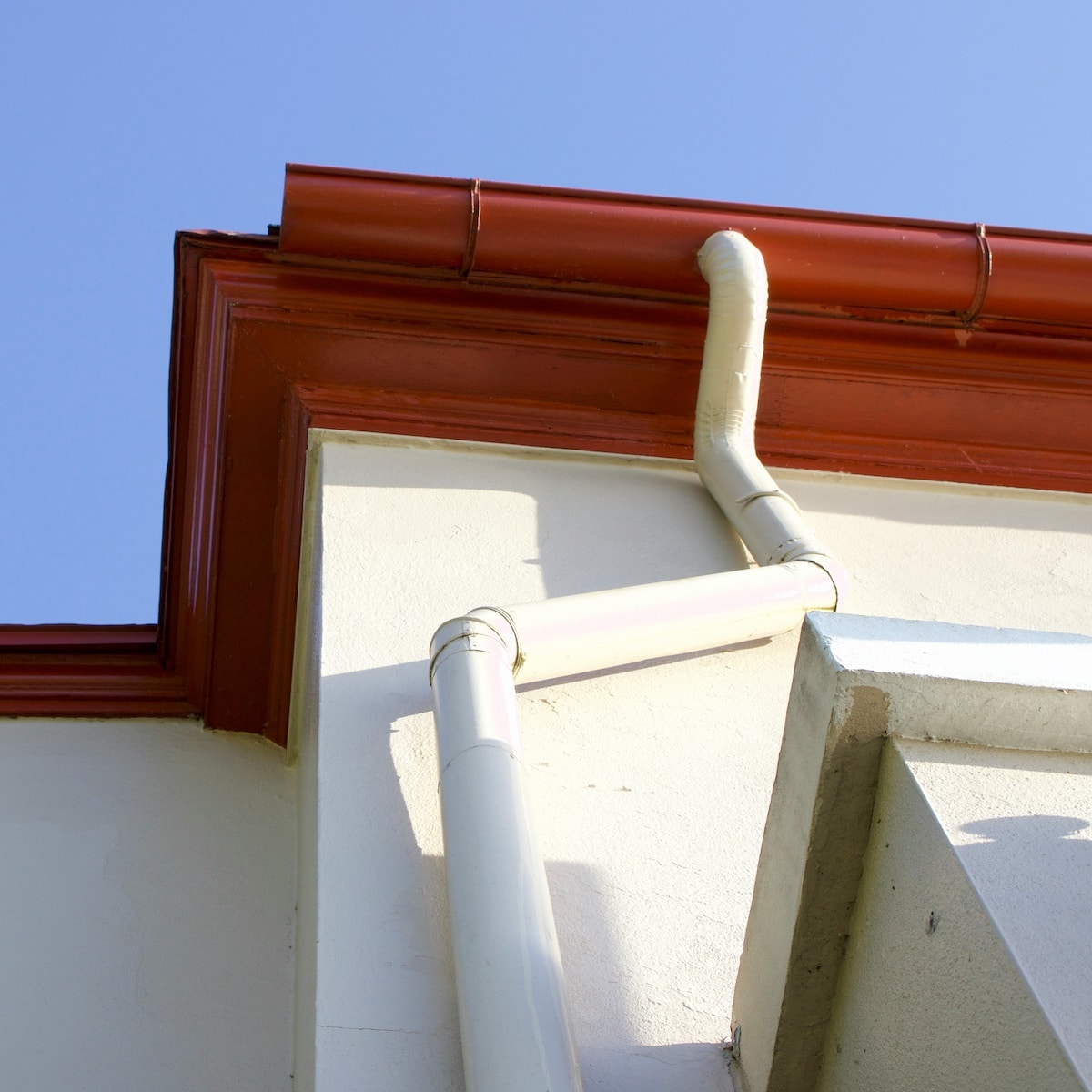
For example, half-round gutters look harmonious under clay tiles, while box profiles suit flat roofing systems with sharp lines.
The trim around windows and eaves should also align in style and finish with the gutters, creating a unified frame.
When trim is thick or highly decorative, slimmer profiles allow those details to remain prominent.
Conversely, when trim is minimal, a more pronounced gutter can provide definition along the roofline.
Considering how gutters connect to these surrounding features prevents them from feeling like an afterthought.
Gutters are often overlooked in design conversations, yet their profiles, finishes, and placement significantly influence exterior appearance.
The right choices allow gutters to complement rather than compete with surrounding elements, supporting both beauty and practicality.
Far from being a minor detail, gutter profiles play a lasting role in defining the impression of a property.





Leave a Reply