

The Myths About Tummy tuck surgery tend to create both confusion and curiosity, especially in people who are hearing about it for the first time. Some believe that it is done for weight loss. Others believe that it is done for women or that the result always looks unnatural.
These myths might deter people from pursuing it, even when the surgery would be in their favour.
If you're thinking of undergoing a body transformation following pregnancy, weight loss, or ageing, it's helpful to know what a tummy tuck really has to offer—and what it doesn't.
This kind of procedure is highly sought after throughout the United States, from New Jersey to California.
However, being informed is important. Below are four common myths that often disrupt the real knowledge and what the truth looks like.
Jump to:
1. Myth: A Tummy Tuck Is a Way to Lose Weight
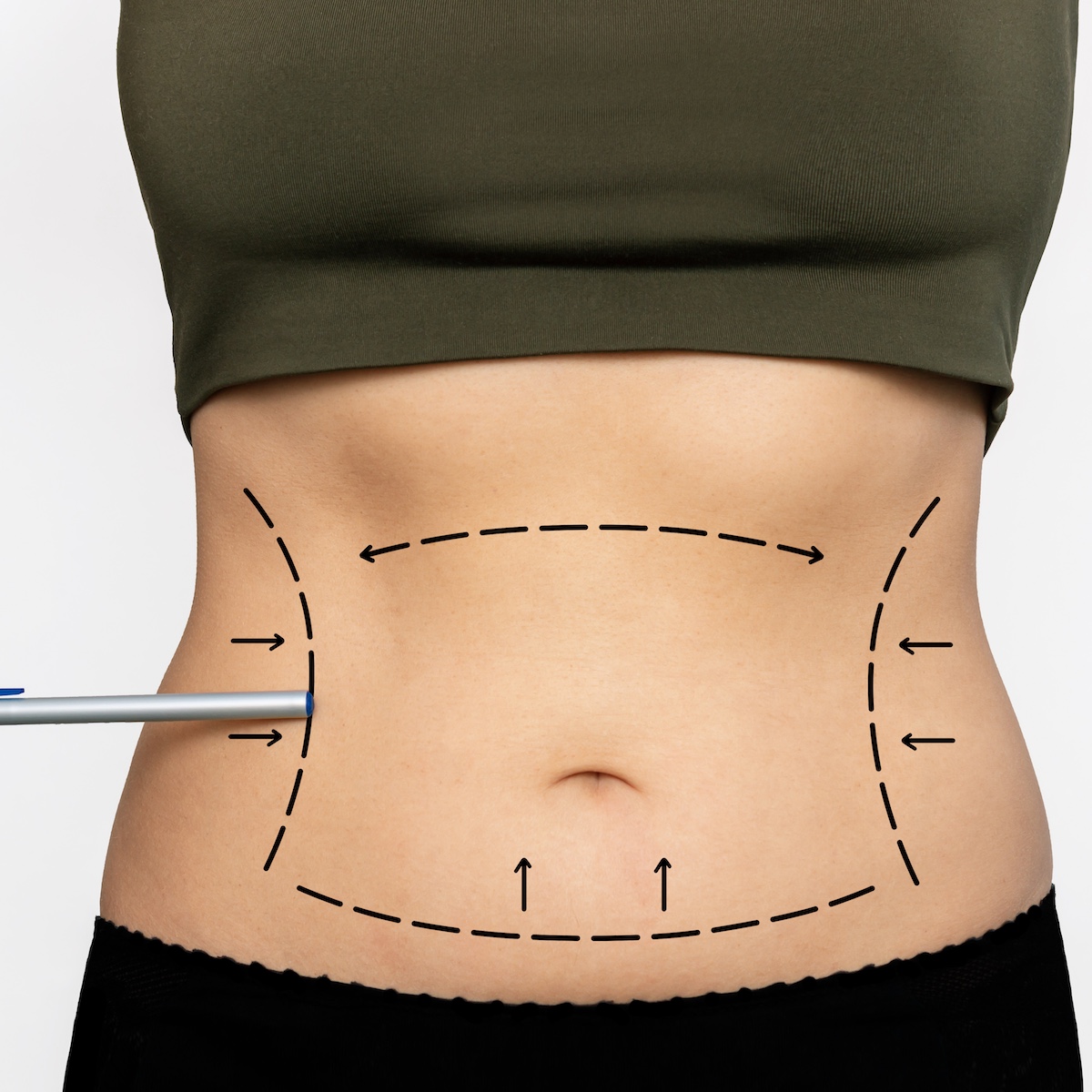
This is one of the most common misconceptions about the procedure. A tummy tuck is not designed for weight loss. It doesn't replace healthy eating or exercise. Instead, the main focus is to remove loose skin and tighten the muscles underneath. This is especially helpful after major weight changes or pregnancy.
People considering this surgery are often already at or near their goal weight. The goal isn’t to drop pounds but to improve how the midsection looks and feels. If someone is carrying extra fat across their body, this procedure won’t solve that issue. However, if they’re struggling with stretched skin or weak muscles, it can make a big difference. The results are about shape, not size.
2. Myth: Only Women Choose to Get a Tummy Tuck
While tummy tucks are popular among women—especially after childbirth—they’re not just for women. Men also face problems with loose abdominal skin, especially after losing a lot of weight or with age. Muscle separation, excess skin, or leftover fat deposits can affect anyone.
One of the clinics that offers a tummy tuck in New Jersey regularly treats both men and women. Surgeons tailor their techniques to suit different body types. Some men want a flatter abdomen to match their fitness efforts. Others are simply looking to restore their shape after weight loss. Either way, the procedure isn’t gender-specific. It’s about meeting individual goals, regardless of who you are.
Practices that focus on body contouring often support both men and women through similar recovery plans and outcome expectations. The procedure is adaptable.
🤖 Looking For An Answer?
Ask AI to summarise this post to see if the article answers your questions:
3. Myth: The Recovery Process Is Extremely Long and Painful
Yes, there is recovery time with any surgery, but the majority of people believe that recovery from a tummy tuck is much worse than it actually is. There is some stiffness and pain during the first couple of days, naturally, but most patients are out walking short distances within 24–48 hours. Light exercise is manageable near the end of week one. Most are back at desk jobs or other low-activity duties within two weeks.
New procedures now employ methods that avoid pain. For instance, certain surgeons no longer place drains, which introduced pain and stress into the healing process. Long-lasting numbing agents are also employed during surgery so that recovery can be made easier in the first few days.
Following explicit post-op instructions also minimizes discomfort. Being able to sleep in a position with elevation, compression stockings on, and not having to lift anything heavy are part of that equation. Recovery does exist, but it's not intimidating.
4. Myth: Tummy Tucks Always Leave You Looking Overdone or Fake
Some people worry that the results of a tummy tuck will be too tight or obvious. But in most cases, the opposite is true. The aim is to create a natural-looking result that fits with your body shape. A skilled surgeon considers skin quality, muscle position, and even where to place scars so that they’re easy to hide.
Also, techniques have changed over the years. Rather than pulling the skin too tightly, most procedures now focus on reshaping what's already there. This includes restoring strength to the abdominal muscles, which can improve posture and core support.
Another concern is the belly button, as it’s often repositioned during the surgery. Experienced surgeons reshape and place it so that it looks natural, not artificial. When done properly, the final look is smoother, stronger, and balanced—not extreme.
- Parents Are Prioritising Breathable, Sustainable Fabrics For Children's Seasonal Sleepwear
- Our Homemade Christmas Printables, Made With AI: What Worked, What Didn't, and What I'm Saving for Next Year
- At-Home vs. In-Lounge IV Therapy in the Hudson Valley: Which Makes More Sense?
- Can Passengers Pursue Compensation After a Car Accident?









Leave a Reply