

Best eSIM option in India for global travellers is a hot topic in 2025, as international travel from India continues to rise. With more Indians heading abroad for both business and leisure, staying connected without excessive roaming charges is now a top priority.
eSIM technology offers a flexible, affordable way to access mobile data across countries without swapping physical SIM cards.
Whether you're exploring Europe, the US, or Southeast Asia, choosing the right eSIM plan makes all the difference.
Travellers want reliability, good coverage, and easy setup, and the best eSIM providers now deliver on all fronts.
Two primary connectivity options dominate the market: embedded SIM technology and traditional physical cards.
Each offers distinct advantages and limitations that can significantly impact your travel experience and budget. Choosing the right option depends on your travel style, destination, and tech comfort level.
Jump to:
- Understanding the Basics: What Is a SIM and an eSIM?
- Key Differences Between eSIM and Physical SIM for Indian Travellers
- Pros and Cons of Using eSIM While Travelling Abroad
- Pros and Cons of Using a Physical SIM While Travelling Abroad
- 🤖 Looking For An Answer?
- Which Is Better for Indian Travellers in 2025?
- Common Questions About India SIM Options
- Making Your Connectivity Choice for 2025
Understanding the Basics: What Is a SIM and an eSIM?
The connectivity landscape has evolved dramatically, yet many Travellers still don't fully understand their options. Let's break down these two technologies and how they work for international travel.
What Is a Physical SIM Card?
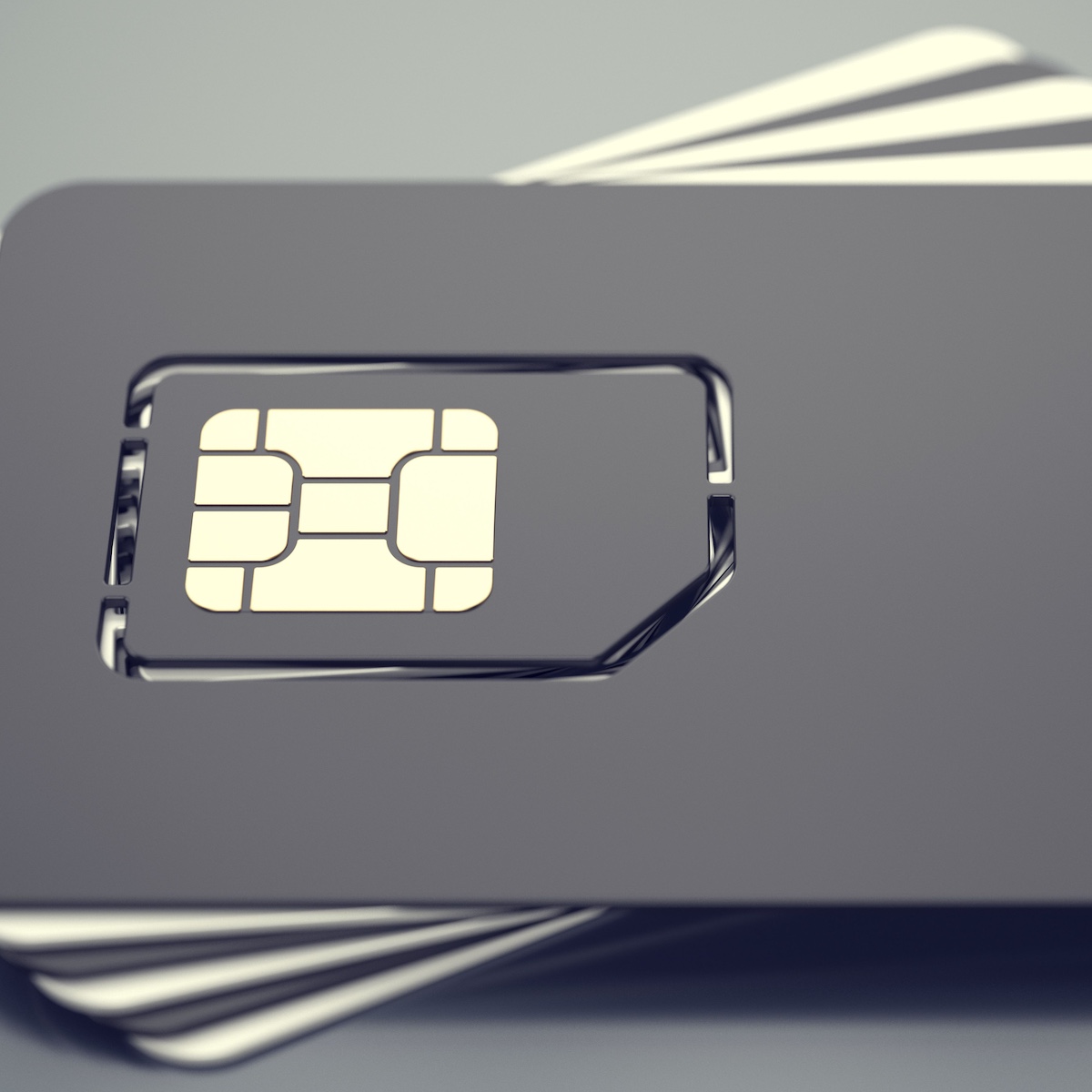
A physical SIM card is that tiny chip you've been inserting into phones for decades. Physical SIM India users typically rely on these removable cards for domestic connectivity and often purchase local SIM cards when travelling abroad.
Traditional cards require manual installation and can be easily lost or damaged during travel. Indian Travellers commonly buy local SIMs at airports or stores in destination countries, though this process can be time-consuming and sometimes frustrating when language barriers exist.
What is an eSIM?
An eSIM, or embedded SIM, is a small, programmable chip built into your device that allows you to connect to mobile networks without needing a physical SIM card.
Modern solutions with eSIM India enable remote activation through QR codes or carrier apps, making physical cards unnecessary for Travellers looking for greater convenience. Most flagship smartphones sold in India now support this technology, making it increasingly accessible to Indian Travellers. Choosing the Best eSIM in India can ensure seamless connectivity, whether you're travelling locally or abroad.
Growing Support in Indian Smartphones
By 2025, nearly all mid-range and premium smartphones in Indiawill support eSIM functionality. This widespread compatibility makes digital SIMs a viable option for most Indian Travellers, though budget devices may still require physical cards.
Key Differences Between eSIM and Physical SIM for Indian Travellers
Understanding these differences helps you make informed decisions based on your specific travel needs and preferences.
Activation and Setup
eSIM advantages include instant remote activation before departure, allowing you to arrive at your destination with connectivity already established. You can download carrier profiles directly to your device without visiting stores or handling physical cards.
Physical SIMs require purchasing cards locally, often involving store visits, language barriers, and potential delays. However, they're universally compatible and don't depend on internet connectivity for initial setup.
Network Flexibility
Digital SIMs excel at storing multiple carrier profiles, making them ideal for multi-country trips. You can switch between networks seamlessly without physical swapping, which proves invaluable for frequent Travellers.
Traditional cards limit you to one provider per SIM slot, requiring manual swapping when changing networks or countries. This can be inconvenient but offers the advantage of physically controlling your connectivity options.
Cost and Data Plans
Pricing varies significantly between providers and destinations. Travel SIM comparison reveals that eSIM plans often offer better value for short-term travel, while physical SIMs may be cheaper for extended stays in specific countries.
Indian carriers like Airtel and Jio offer competitive eSIM international packages, though third-party providers sometimes provide better rates for certain destinations.
Pros and Cons of Using eSIM While Travelling Abroad
Digital SIM technology offers compelling advantages but isn't perfect for every situation or traveller type.
Pros
You'll never hunt for local SIM cards again, as activation happens remotely before departure. Multiple carrier profiles let you optimize costs across different countries during multi-destination trips.
Remote activation means you're connected immediately upon landing, avoiding those frustrating moments searching for airport kiosks or navigating foreign stores without internet access.
Cons
Some older Indian devices don't support eSIM fully, potentially leaving you without connectivity options. In today's global business environment, staying connected while Travelling is crucial, yet certain countries or remote areas may still favor physical SIMs with limited eSIM infrastructure.
Technical issues with eSIM profiles can be challenging to resolve without reliable internet, especially in remote destinations where troubleshooting options are limited.
Pros and Cons of Using a Physical SIM While Travelling Abroad
Traditional SIM cards maintain relevance despite digital alternatives, offering unique advantages in specific scenarios.
Pros
Universal compatibility ensures your International Travellers SIM card works in virtually any unlocked device, including older or budget smartphones that don't support eSIM technology.
Local promotions and competitive pricing in many countries make physical SIMs cost-effective, especially for longer stays, where monthly plans offer better value than tourist-focused eSIM packages.
Cons
Physical swapping creates hassle and increases the risk of losing your original Indian SIM card. Finding local stores, dealing with language barriers, and completing paperwork can waste valuable travel time.
You're also limited to carrying multiple physical cards if visiting several countries, increasing the chances of misplacing important connectivity options during your journey.
🤖 Looking For An Answer?
Ask AI to summarise this post to see if the article answers your questions:
Which Is Better for Indian Travellers in 2025?
Your travel style, device compatibility, and destination preferences should guide this decision more than technological preferences alone.
In addition to local SIMs, many travellers also turn to international SIM cards before departure, which arrive pre-loaded and ready to use across multiple countries.
These global SIM options reduce the hassle of hunting down local kiosks upon arrival and often offer competitive roaming rates.
While they can be more expensive than local plans, their convenience and wide coverage make them a compelling option, especially for multi-country itineraries or travellers who prefer to have connectivity sorted well in advance.
Type of Traveller Matters
Frequent business Travellers benefit most from eSIM efficiency, while occasional vacation Travellers might find physical SIMs perfectly adequate for their limited international connectivity needs.
Digital nomads and remote workers particularly appreciate eSIM flexibility for seamless network switching across multiple countries without physical card management complications.
Device Compatibility
iPhones and newer Android devices offer full eSIM support, making digital SIMs viable options. Budget smartphones or older models might still require physical SIMs, limiting your connectivity choices.
Check your device's eSIM compatibility before travelling to avoid connectivity issues abroad. Most Indian smartphone manufacturers now include eSIM support in their mid-range and premium devices.
Common Questions About India SIM Options
Which is the best eSIM for international travel for Indians?
Some eSIM providers cover over 190 countries with minimal throttling, while others offer high-speed data across 200+ destinations, often including generous daily limits like 10GB of high-speed access. Some options avoid throttling altogether by not offering unlimited plans, maintaining consistent speed throughout your usage. The best choice depends on your travel needs—whether you prioritise speed, coverage, or flexibility.
Which Indian SIM is best for international travel?
Major Indian telecom operators with strong market presence and wide network coverage tend to be the most reliable for international roaming services. Travellers using physical SIMs should consider these leading providers for stable and consistent connectivity abroad.Can I use both eSIM and a physical SIM together?
Yes, most modern smartphones support dual SIM functionality. This allows you to keep your Indian number active on the physical SIM while using the eSIM for local data abroad. It’s a flexible and cost-effective setup for international travel.
- Parents Are Prioritising Breathable, Sustainable Fabrics For Children's Seasonal Sleepwear
- Our Homemade Christmas Printables, Made With AI: What Worked, What Didn't, and What I'm Saving for Next Year
- At-Home vs. In-Lounge IV Therapy in the Hudson Valley: Which Makes More Sense?
- Can Passengers Pursue Compensation After a Car Accident?




Making Your Connectivity Choice for 2025
Both technologies serve different traveller needs effectively. eSIMs offer convenience, instant activation, and multi-profile flexibility that appeals to tech-savvy frequent Travellers.
Physical SIMs provide universal compatibility, local pricing advantages, and tangible control that many Travellers prefer.
Consider your travel frequency, destinations, device compatibility, and comfort with digital solutions when making this choice.
The future belongs to those who stay connected efficiently, regardless of the technology they choose to achieve it.





Leave a Reply