

Complete home renovation projects can feel never-ending, especially when life and delays keep getting in the way. You’re not alone.
Many Florida homeowners hit pause mid-project and just adapt. But those half-done spaces start to wear on you.
This blog shares practical tips to finish strong. Let’s get that living room done, finally!
Ever looked around your Florida home mid-project and thought, “Maybe we can just live like this for a while”?
You’re not alone. Between supply chain delays, labor shortages, and life simply getting in the way, unfinished renovations are the new wallpaper.
In this blog, we will share practical tips to keep your next home improvement project moving, so it doesn’t stall halfway through your living room.
Jump to:
Start With a Plan You Can Stick To
The first reason projects don’t get finished isn’t usually money. It’s fatigue. People start strong and burn out fast.
The plans are ambitious. The Pinterest board is endless. And then drywall dust settles, literally and mentally.
To prevent that, your scope has to match your energy. Choose work you can follow through on, not what a DIY influencer swore they knocked out over a weekend.
Break big goals into small checkboxes, and don’t skip writing them down. Accountability thrives on lists.
In Fort Myers and other parts of the state, weather plays a bigger role than most homeowners expect.
You can’t paint outside when humidity hits triple digits. You also shouldn’t schedule a full roof replacement right in the middle of hurricane season.
Local knowledge matters. So when you’re setting that timeline, talk to contractors who understand what working here actually looks like.
And since we’re on the subject of knowing your surroundings, don’t wait until the middle of a project to check whether your permits are actually in order.
Just because your neighbor skipped them doesn't mean you should. Codes vary city to city.
Whether you're overhauling a bathroom or planning window replacement in Fort Myers, a misstep with local regulations can freeze progress fast.
Good planning involves aligning with people who understand how to move through red tape before it wraps around your timeline.
Treat Your Timeline Like a Contract, Even if It’s Just With Yourself
Every day a project drags on is another day your dining room looks like a hardware store exploded. If you want to finish, start by being honest about what a real timeline looks like.
Most people underestimate this by weeks, if not months.
Not because they’re naive, but because it’s easy to confuse “available this weekend” with “able to focus for eight uninterrupted hours.”
Avoid vague deadlines like “sometime before the holidays.” Anchor your timeline to meaningful personal dates—a houseguest’s arrival, a birthday, even property tax season. Those milestones force you to align effort with urgency.
Also, it’s not a bad idea to set soft deadlines for the contractors you hire, too. You won’t control every delay, but if your installer knows you're tracking more than just payments, they’re less likely to vanish mid-job. Transparency keeps momentum alive.
Don’t Buy Everything All at Once
Homeowners love to start projects with a trip to the store. Big carts. Bold colors. Grand intentions. But jumping into purchases before you’ve worked through the full process often means overspending on things you won’t use—or worse, that don’t fit.
Instead, stagger your purchases. Lock in core materials first: insulation, lumber, and any components that take weeks to ship. Then move to fixtures and finishes only once the walls are actually going up.
It’s hard to believe how many bathrooms have lighting sitting in the garage for six months while the plumbing still isn't complete.
Doing it in stages helps your budget breathe, and more importantly, it prevents buyer’s remorse.
Styles evolve. So do your ideas. What you loved three months ago might not look so great now that your kitchen wall is actually gone.
Know When to Get Help
One of the hardest things to accept during home renovations is when the thing you thought you could do turns into the thing that’s keeping the project stuck.
Maybe it’s flooring that won’t lay flat. Maybe it’s an electrical panel that looks like a 1980s science fair gone wrong.
This is where pros save you-not just from injury, but from spiraling into a yearlong mess. You don't need to outsource everything.
But if a step requires permits, structural adjustments, or specialty equipment, it's not just a time-saver to bring in help. It's peace of mind.
Companies that specialize in one area-like window installation, plumbing, or drywall-are often faster and more precise than general contractors juggling multiple clients.
For instance, if the issue starts involving flickering lights, overloaded circuits, or an outdated breaker box, you can search for "electrical panel replacement near me" to connect with professionals who can safely inspect and upgrade your system.
🤖 Looking For An Answer?
Ask AI to summarise this post to see if the article answers your questions:
Keep One Room Off-Limits
You need a space that isn’t under siege. One room, however small, should stay untouched.
It becomes the place where you drink coffee without drywall in your cup, eat dinner on a table instead of a workbench, and remember that your home still functions, even while it’s evolving.
This is especially important if you’re juggling work-from-home life during a renovation.
Productivity and mental health tank quickly when everything’s chaotic. The untouched room acts as your retreat. Think of it as the control room during a very noisy mission.



Finish with a Post-Project Audit
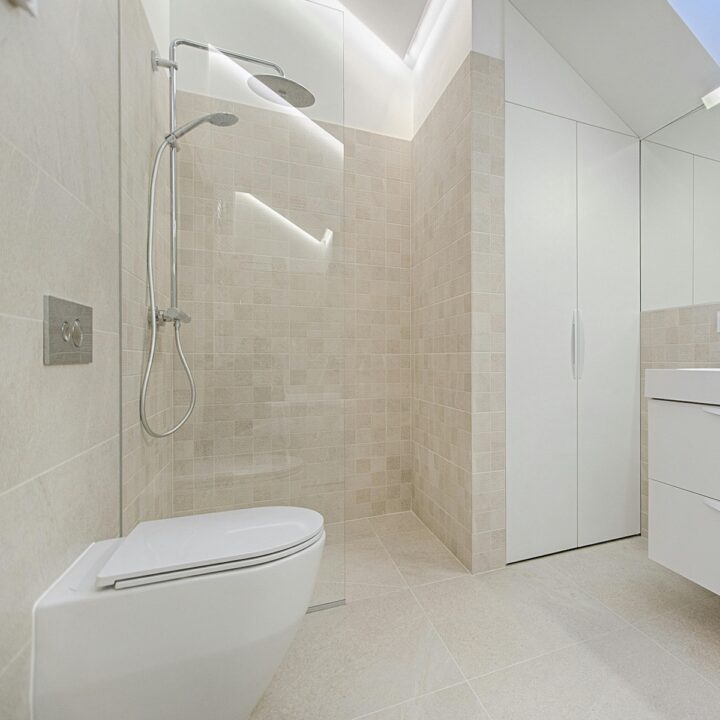
When the dust finally clears, don’t just move on. Look back. What took longer than expected? Which choices ended up being more costly than planned? Was a step skipped that led to rework?
Take notes, even if you swear you’ll never do another renovation again. You probably will.
And next time, those notes will be worth their weight in gold. They help you plan smarter, budget tighter, and avoid reliving the same headaches.
Plus, if you ever sell the house, these records help tell the story of what was done, when, and by whom.
Buyers care about those details. And frankly, so will you after a year or two when you can’t remember why you chose that brand of insulation or where you stashed leftover tiles.
So, yes, finishing a home improvement project is a significant accomplishment.
But it’s not about rushing to the end. It’s about building a process that respects your time, your budget, and your sanity—so when it’s done, you get to enjoy the result.





Leave a Reply