

Dancing lessons are a life-changing investment that builds strength, confidence, and joy for both kids and adults. It’s not just movement. Dance improves physical health and boosts emotional well-being.
Kids learn focus and social skills, while adults rediscover fun and freedom. From ballet to hip-hop, every style offers something special. Dance truly lifts the body and the spirit.
Whether you’re a beginner exploring jazz or an experienced dancer perfecting your cha-cha, the skills and experiences gained through dancing lessons make them a powerful tool for self-improvement.
Physically, dance lessons provide a versatile, engaging workout suitable for all ages and fitness levels.
Styles like ballet or contemporary strengthen the core and improve flexibility, while high-energy dances like breakdance or samba boost cardiovascular endurance.
Jump to:
Boosting Emotional Resilience Through Movement
According to a 2018 study in the Journal of Sports Sciences, dancers exhibit superior balance and agility compared to non-dancers, which can prevent injuries and falls, especially in older adults.
A single dance session can burn 200–500 calories, rivalling a gym workout, but the ever-changing routines keep participants engaged and motivated.
Unlike monotonous treadmill runs, dancing feels like an adventure, blending fitness with fun.
This makes it easier to stick with, turning exercise into a sustainable habit rather than a chore.
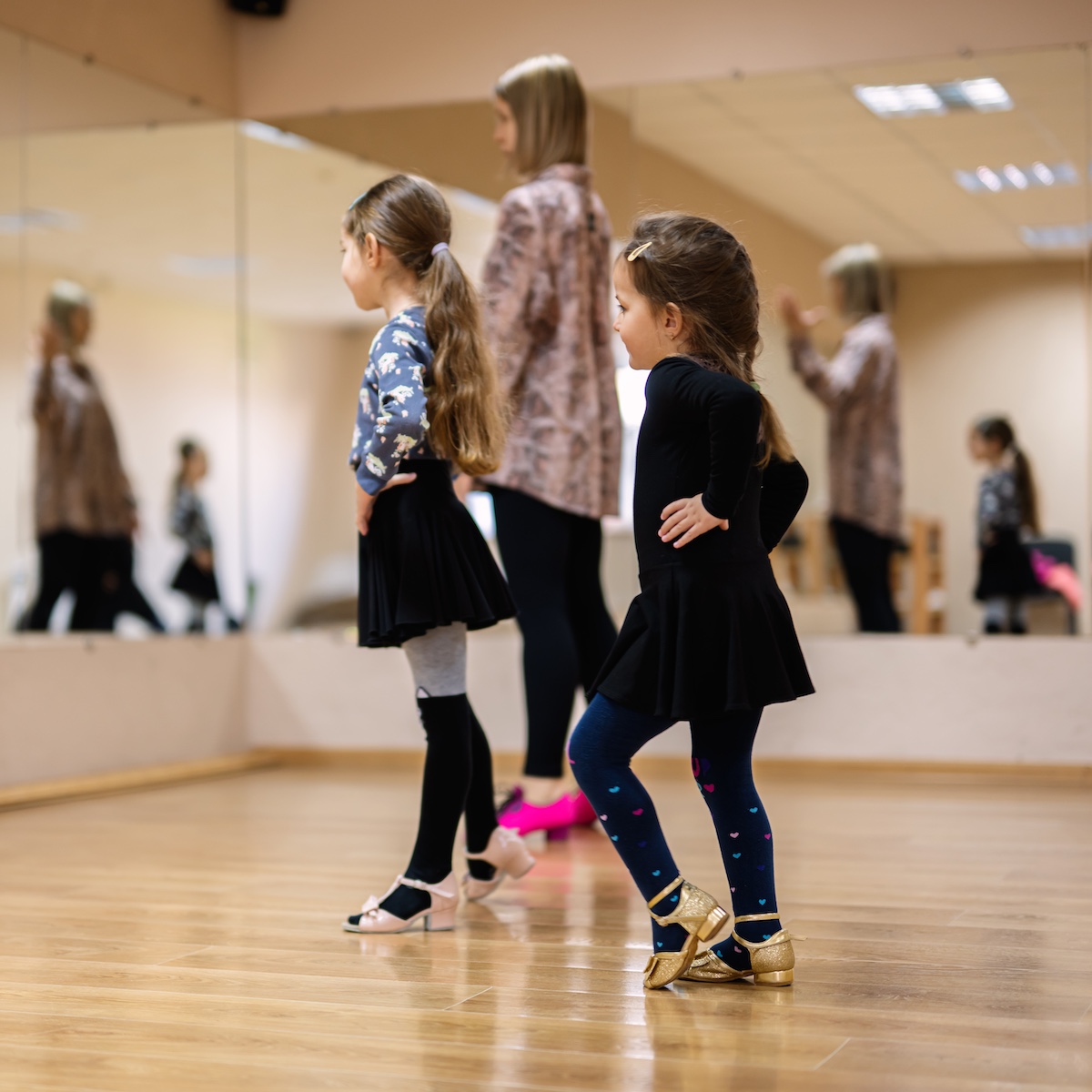
Emotionally, dancing lessons are a confidence-building powerhouse. Mastering a challenging routine or performing in a recital instils a sense of achievement that boosts self-esteem.
For children and teens, dance fosters discipline and resilience, teaching them to persevere through mistakes. Adults, meanwhile, find dance a refreshing escape from work-related stress, allowing them to reconnect with their playful side.
A 2020 study in the Journal of Applied Gerontology found that dance classes significantly reduced anxiety levels, thanks to the combination of music, movement, and social interaction.
The act of dancing also stimulates the brain’s reward system, releasing dopamine and serotonin, which elevate mood and combat depression.
Enhancing Cognitive Function and Focus
Cognitively, dancing sharpens the mind in ways few activities can match. Learning choreography demands focus, memory, and quick thinking, as dancers must synchronise steps with music and partners.
Partner dances like tango or swing require real-time coordination and nonverbal communication, honing skills that translate to better teamwork in professional and personal settings.
For example, navigating a crowded dance floor mirrors problem-solving in high-pressure environments.
These cognitive benefits are lifelong—studies show that dancing enhances mental agility in both young learners and older adults, keeping the brain sharp and adaptable.
Building Social Bonds and Connection
Socially, dancing lessons build bridges between people. Group classes create a sense of camaraderie as participants work toward shared goals, whether perfecting a routine or preparing for a showcase.
Partner dances strengthen trust and communication, making them ideal for couples looking to deepen their connection or singles seeking new friendships.
In an era where digital screens often replace face-to-face interaction, dance studios offer a vibrant, human-centred space to connect.
The social bonds formed in class can combat loneliness, which the National Institute on Ageing links to increased health risks, including heart disease and cognitive decline.
🤖 Looking For An Answer?
Ask AI to summarise this post to see if the article answers your questions:
Encouraging Creativity and Self-Expression
Creativity is another hallmark of dancing lessons. Unlike structured workouts, dance encourages self-expression through movement, allowing individuals to interpret music in their own way.
Whether it’s the dramatic flair of flamenco or the subtle grace of waltz, dancers can infuse their personality into every step.
This creative freedom fosters emotional well-being and encourages innovation, qualities that enhance both personal and professional life.
For those who feel creatively stifled, dance offers a liberating outlet to explore new possibilities.
Learning Life Skills That Last
Ultimately, dancing lessons impart valuable life skills: discipline, adaptability, and perseverance. The process of learning, refining, and performing a dance routine mirrors the journey of tackling any complex goal.
These skills benefit children in academic settings, adults in career pursuits, and seniors seeking purpose and engagement.
The studio becomes a microcosm of life, where challenges are met with effort and growth.
- Parents Are Prioritising Breathable, Sustainable Fabrics For Children's Seasonal Sleepwear
- Our Homemade Christmas Printables, Made With AI: What Worked, What Didn't, and What I'm Saving for Next Year
- At-Home vs. In-Lounge IV Therapy in the Hudson Valley: Which Makes More Sense?
- Can Passengers Pursue Compensation After a Car Accident?




The Ultimate Investment in Yourself
Investing in dancing lessons is an investment in yourself. It’s a chance to move your body, uplift your spirit, and connect with others in a joyful, meaningful way.
Whether you’re drawn to the rhythm of salsa, the elegance of ballroom, or the energy of hip-hop, the dance floor is where transformation begins. Step in, and let the journey unfold.





Leave a Reply